FATE R&D
by Sînziana Cojocărescu
Supporting Document
Moodboard: methodology, influences and inspiration
Methodology
As an artist, I draw influence from political theatre, chiefly the work of Bertold Brecht in both form and intention: I make the mechanics of theatricality visible. My aesthetic is deliberately stripped back and striking, transforming space through lighting, shifting audience perspective, live song, and integrated video to expose rather than conceal theatricality. Audiences are not asked to suspend disbelief but to interrogate what they are witnessing.
I draw from poor theatre in my economy of means and reliance on the actor’s body as primary scenography. Working physically at the limits of endurance and control, I will collaborate with movement director Mat Wernham, whose practice is rooted in Laban-informed movement and the Yat Malmgren tradition of Movement Psychology. Developed from the work of Rudolf Laban, this methodology analyses how inner psychological states manifest through physical action. It focuses on weight, time, space and flow — the fundamental qualities through which movement expresses intention. Yat Malmgren’s system extends Laban’s work by linking movement patterns to psychological archetypes and processes of change, enabling actors to embody transformation rather than represent it.
In this project, the archetypes within Yat Malmgren’s Movement Psychology will be used to explore tragedy and the illusion of free will, as they demonstrate how individuals are shaped by external forces into particular patterns of behaviour. By embodying these movement archetypes, performers reveal how character and action can emerge from circumstance rather than choice, aligning the physical language of the work with the project’s investigation of fate, constraint and transformation.
All my working methodologies are trauma-informed, and the wellbeing of my collaborators and participants is of utmost importance. Integrated safeguarding and wellbeing, and bespoke mental health support ensure that we can work safely, and achieve the intensity and accuracy needed for this engaging and challenging work.
Expressionist influences are visible in the stark lighting, design, and soundscapes, amplifying the psychological stakes of the worlds I stage and creating strong atmospheres.
The dramaturgy of my work is dialectical. I draw from academic research and political analysis to create emotionally charged, fictionalised narratives. Rather than offering simple conclusions, I construct ideological frameworks within which audiences are invited to think, question, and make their own connections.
The case against free will
In neuroscience and neurophilosophy, there are several major schools of thought on free will: determinism, which holds that every decision is fully caused by prior biological and environmental conditions (for example, Robert Sapolsky); indeterminism, which argues that the future is not fully fixed and that genuine alternative possibilities may exist, sometimes by appealing to randomness or open-ended dynamics in nature (for example, Roger Penrose); and incompatibilism, which claims that if determinism is true then the kind of free will needed for ultimate moral responsibility cannot exist (for example, Galen Strawson or Derk Pereboom).
According to determinists, free will, as we commonly imagine it, does not exist. Every action you take is the result of:
your genes
your prenatal environment
your upbringing
your culture
your current circumstances
your hormones
your brain state seconds before the decision
random events across your life
In other words, when you “choose,” you are the endpoint of a causal chain stretching back before you were born. You didn’t choose the brain that is doing the choosing.
If you rewind time to the exact same state:
same brain
same experience
same molecules
same context
You would make the same decision every time.
Change is possible if new inputs alter the system:
therapy
education
social conditions
trauma
support
time
People don’t change by sheer willpower. They change because circumstances reshape the brain.
Compassion makes more sense than blame.
Punishment as moral retribution makes less sense than prevention and rehabilitation.
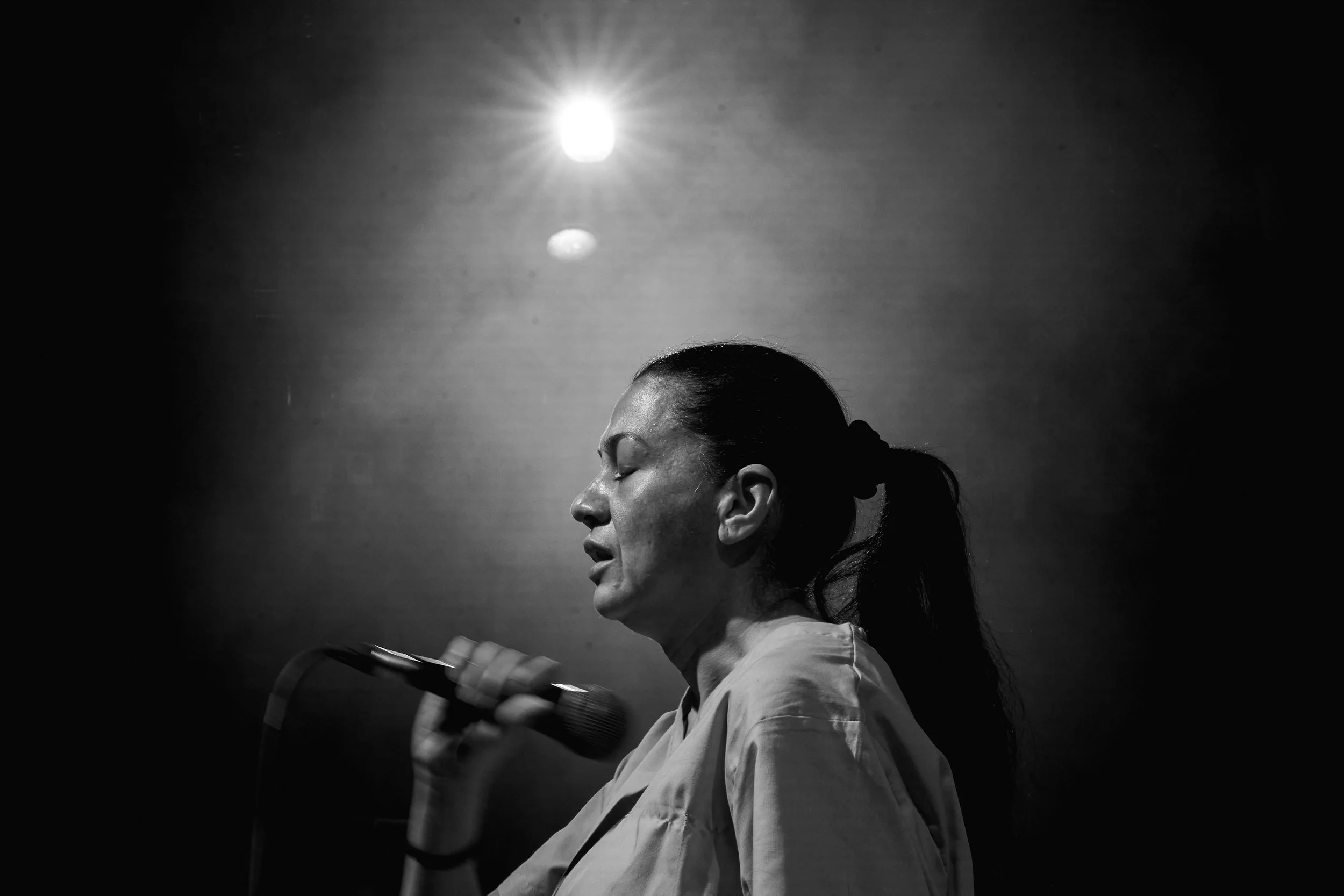
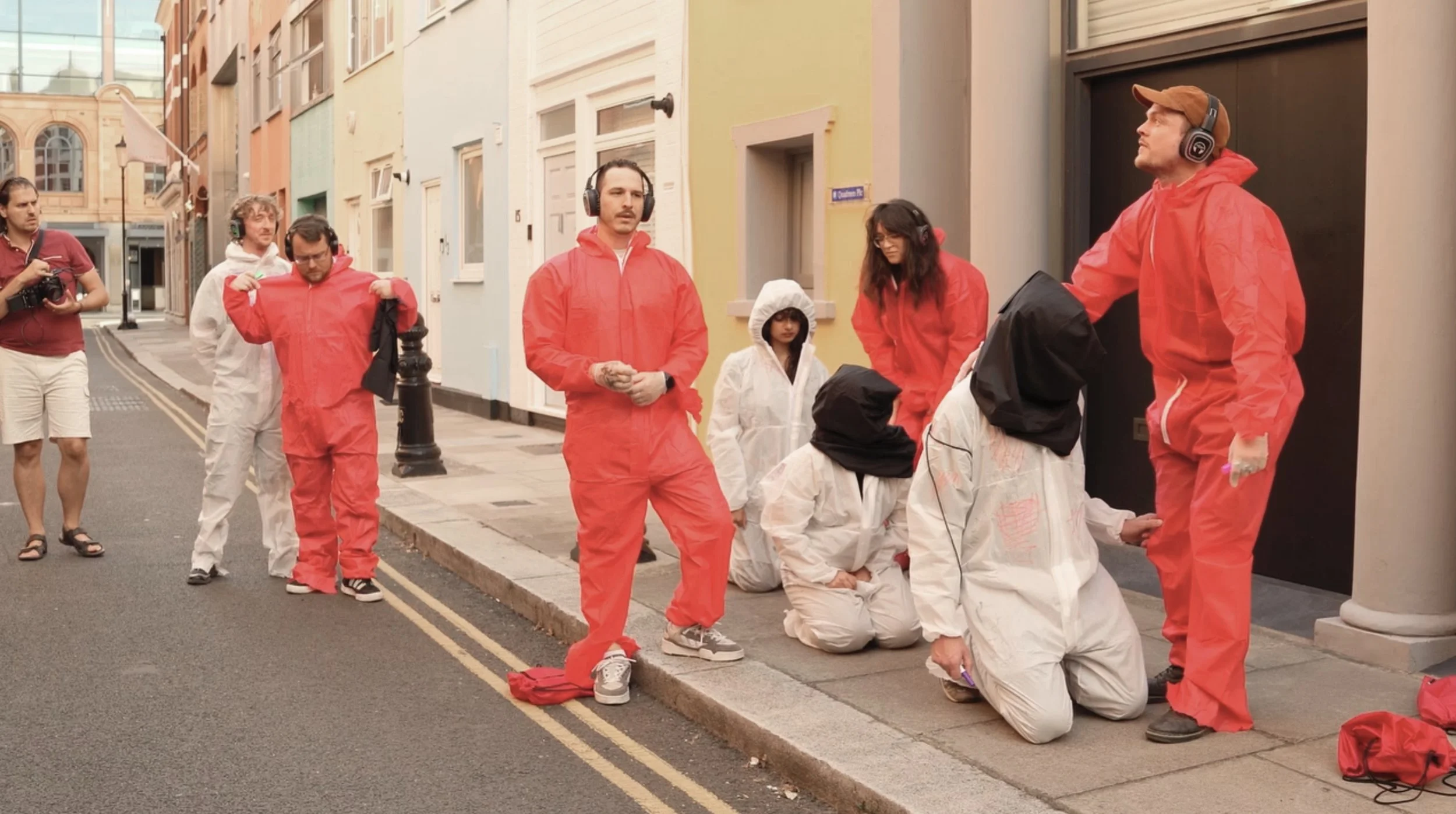
Visual examples of staging and tone from my own work:
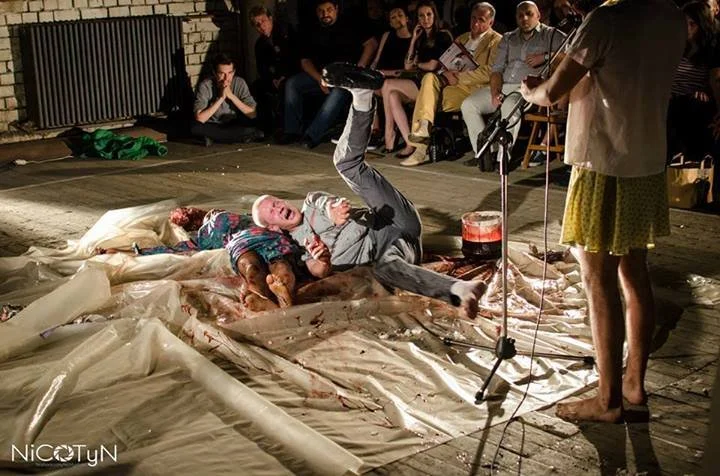
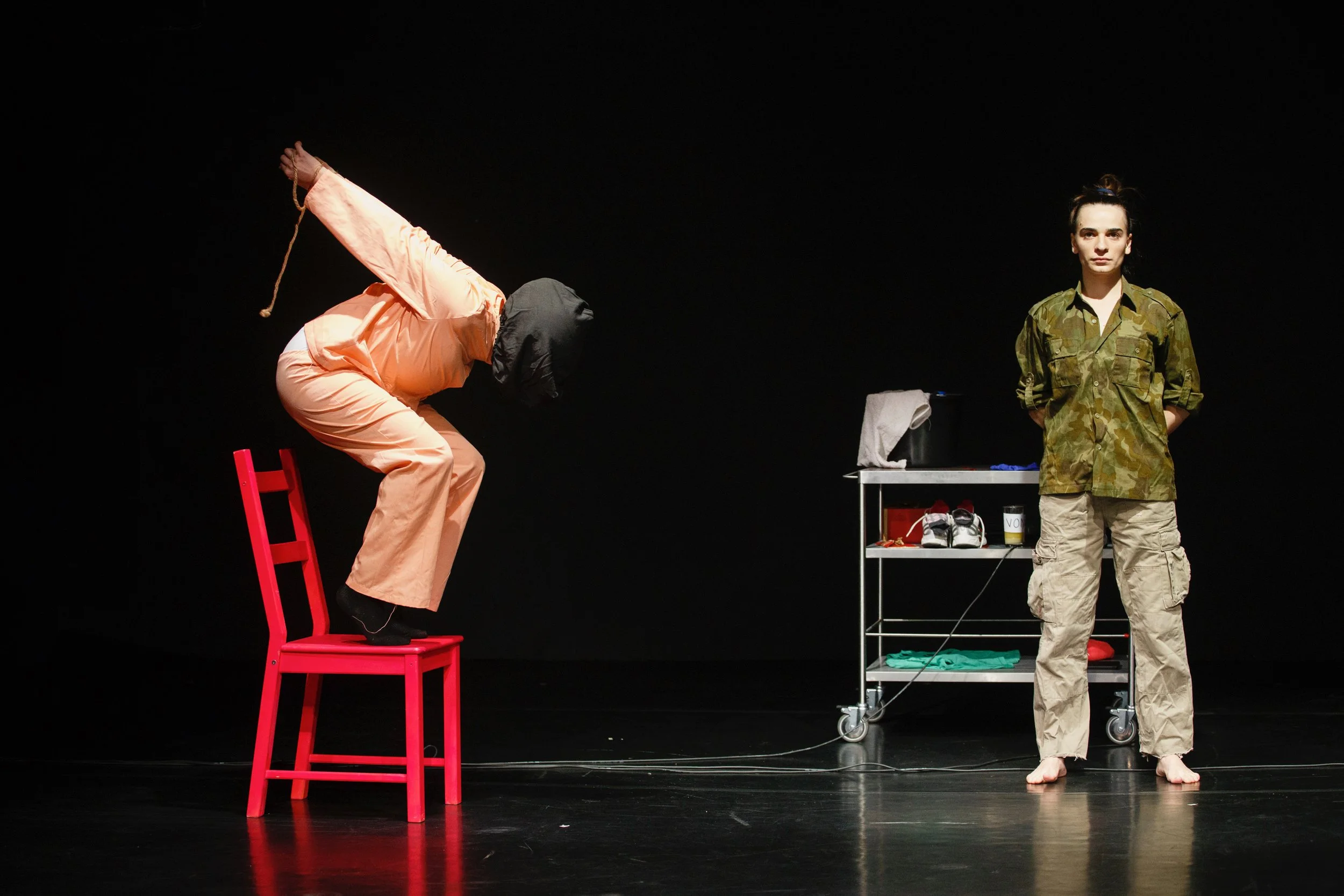
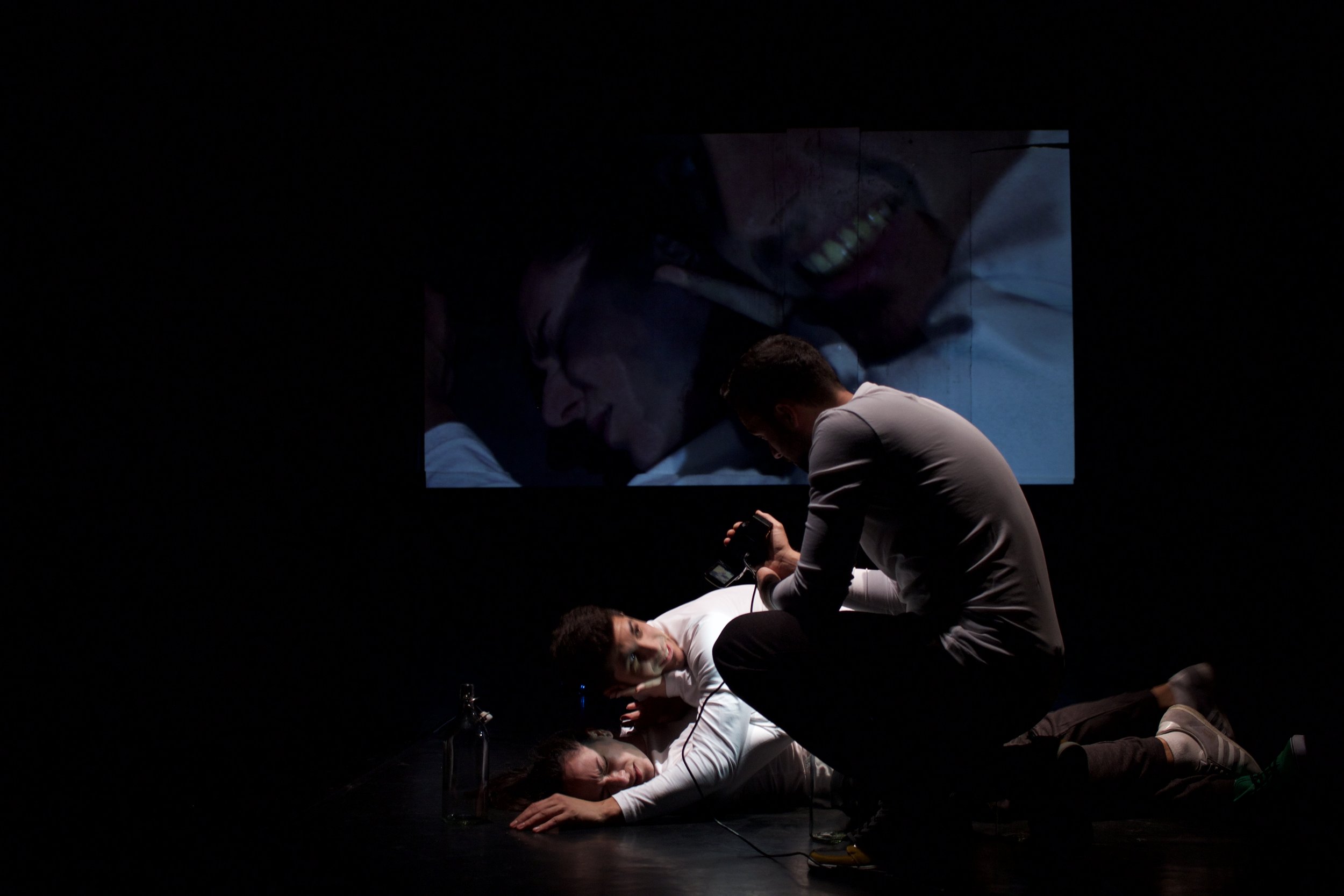
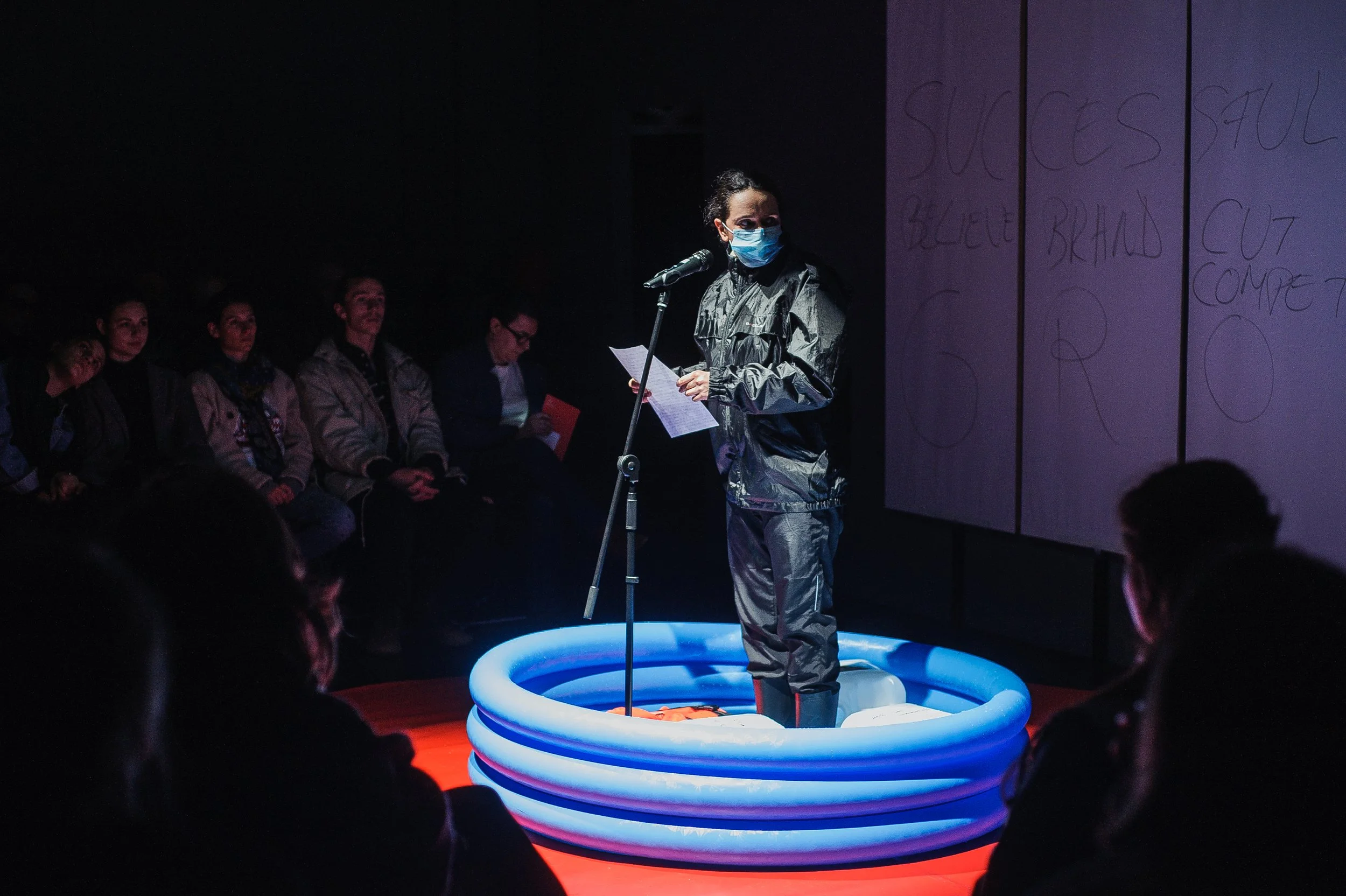
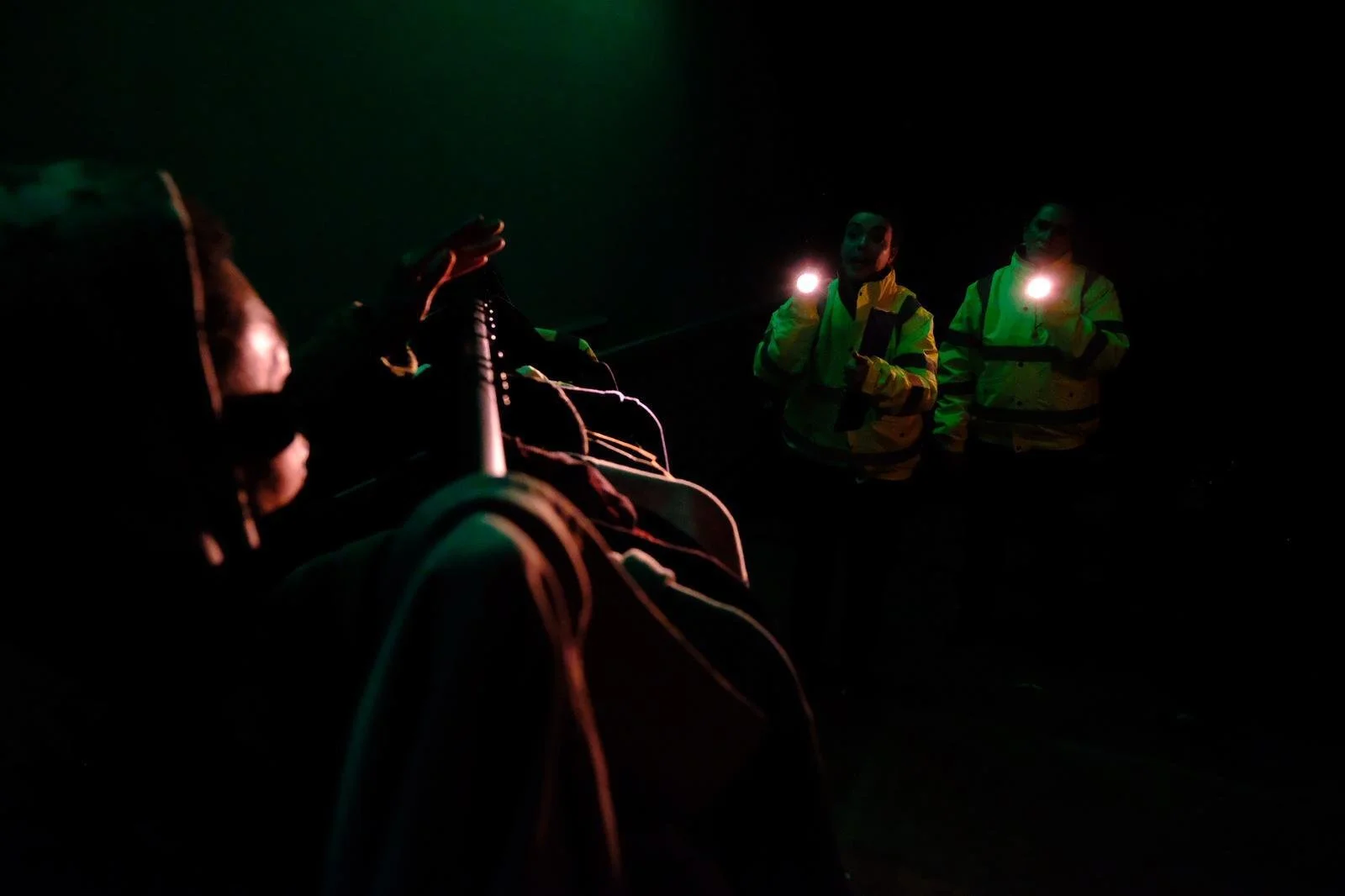
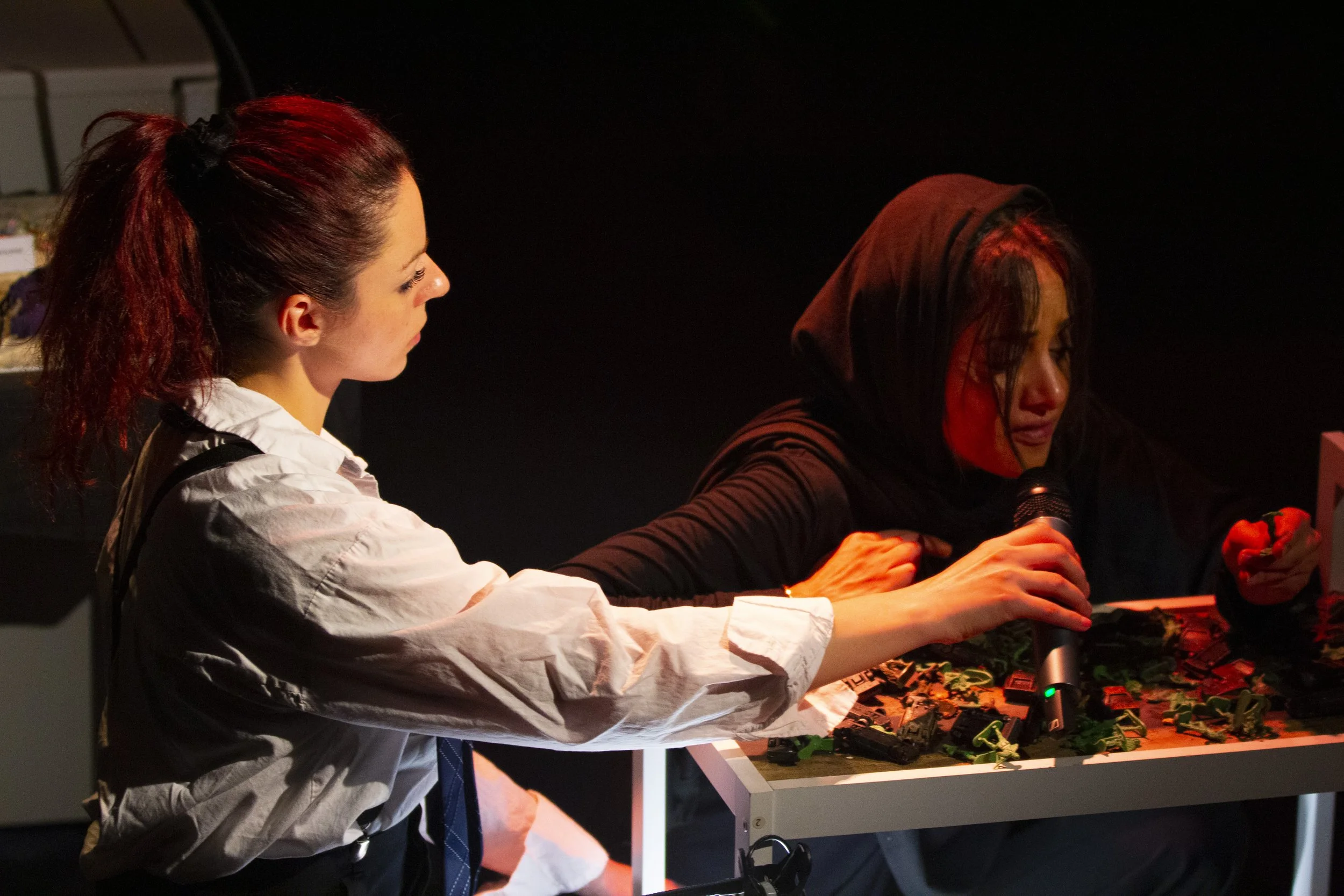
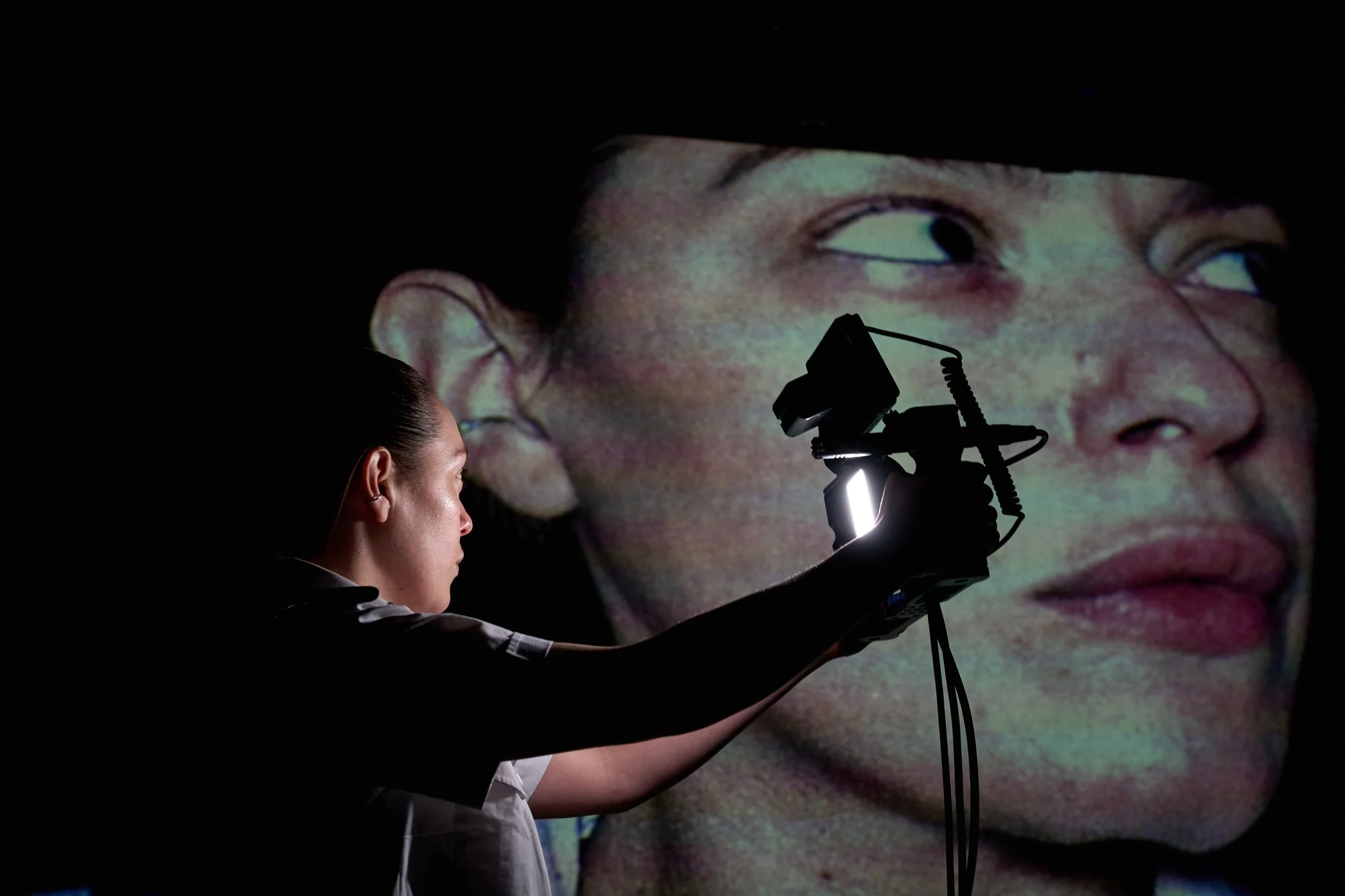
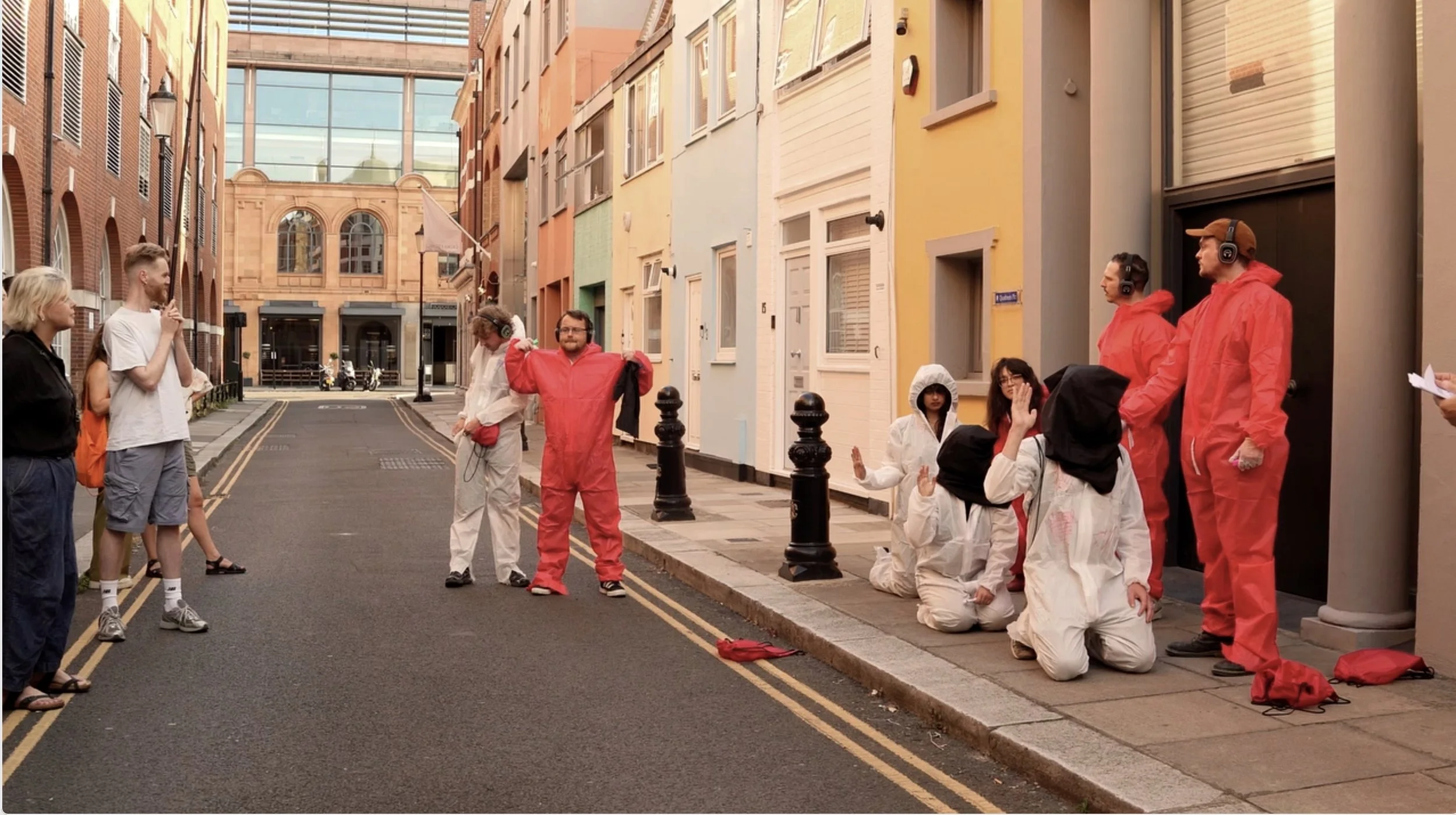
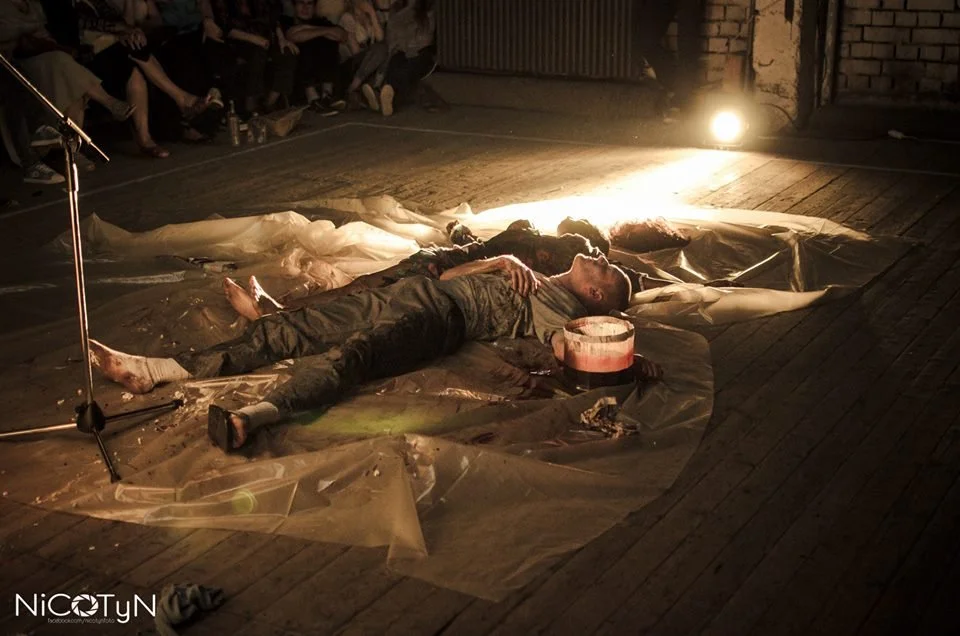
CRIME, 2014
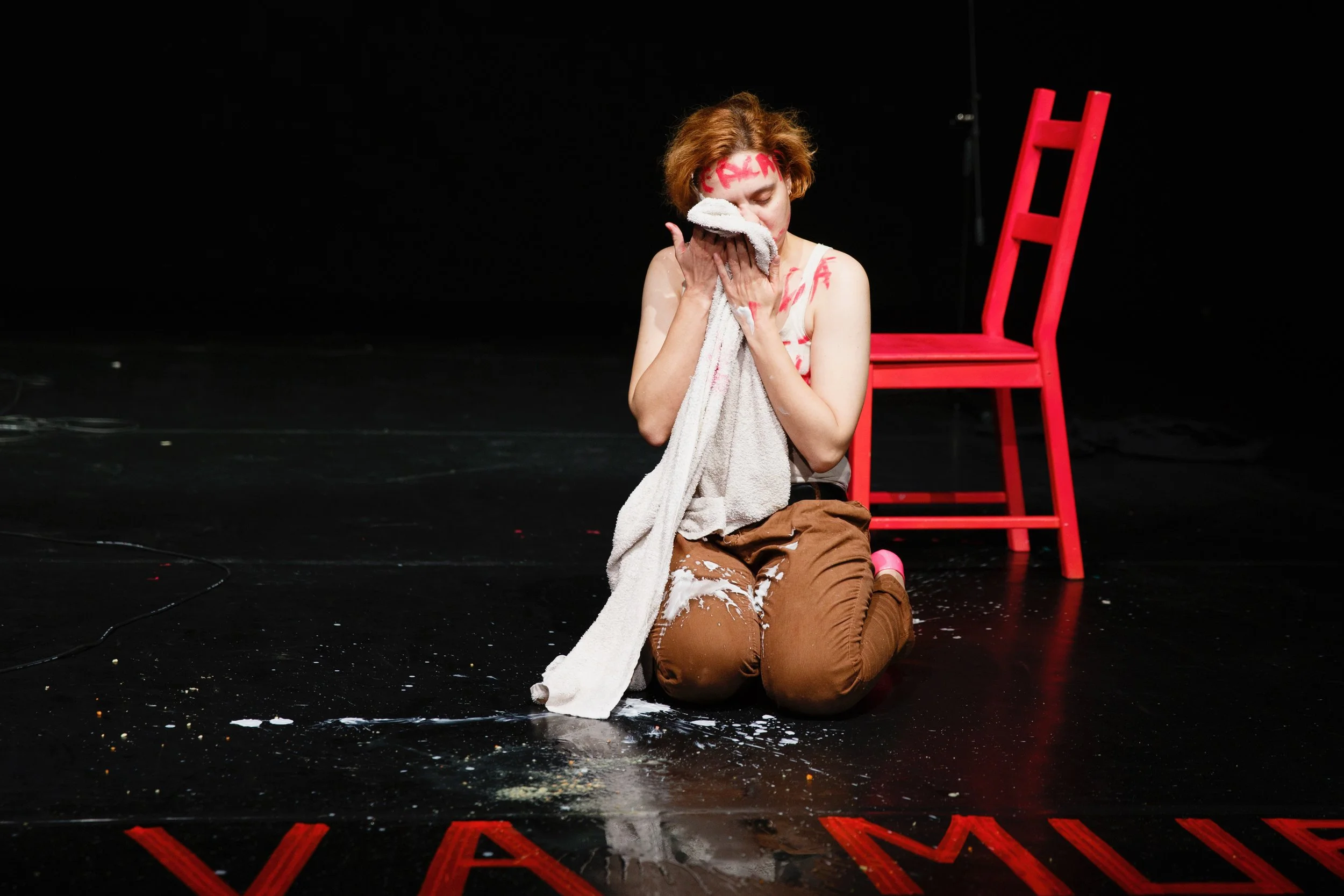
CUNTHATE [URĂ], 2015
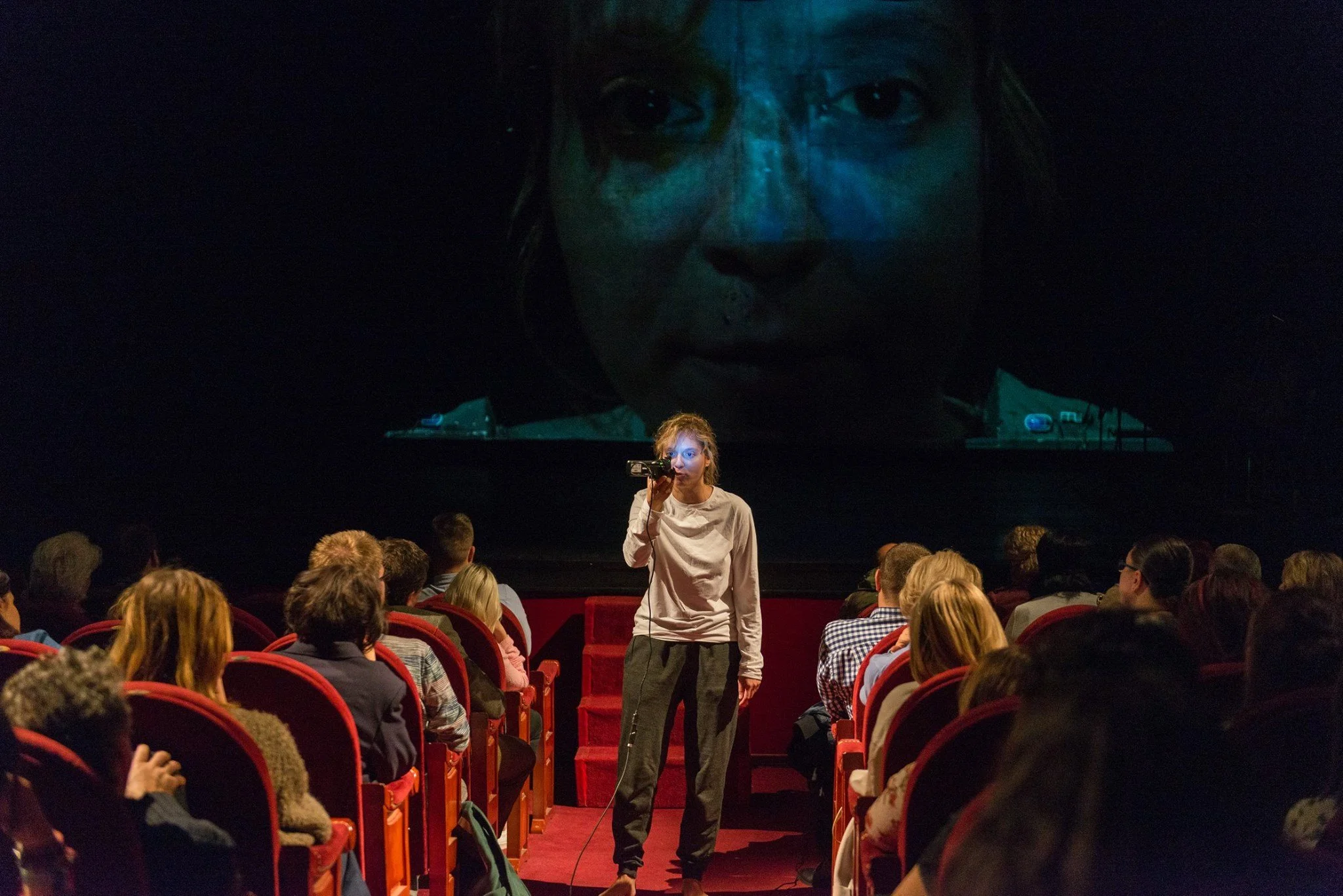
boyz and girlz, 2017
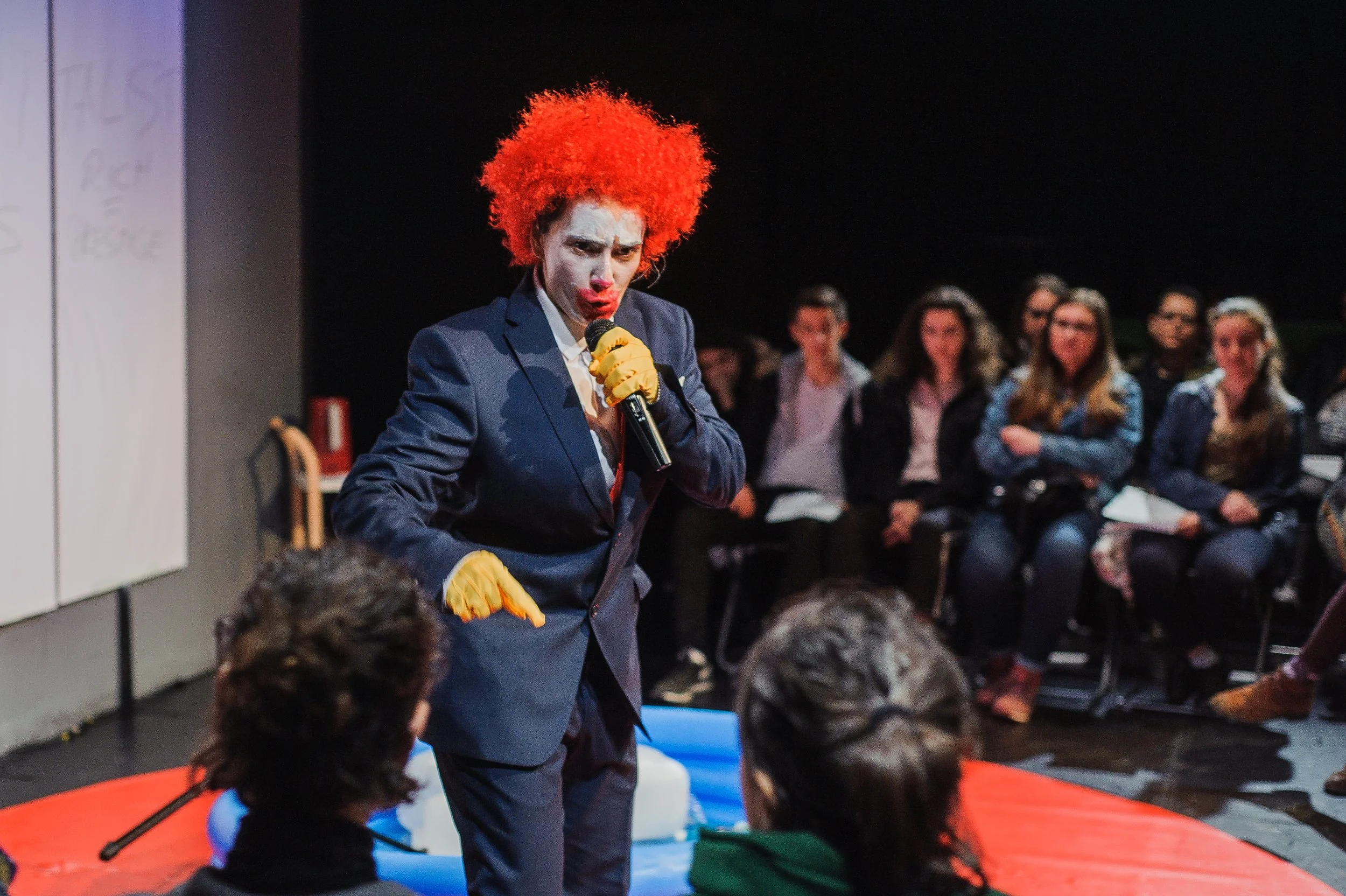
VINOVAT,-Ă, 2018
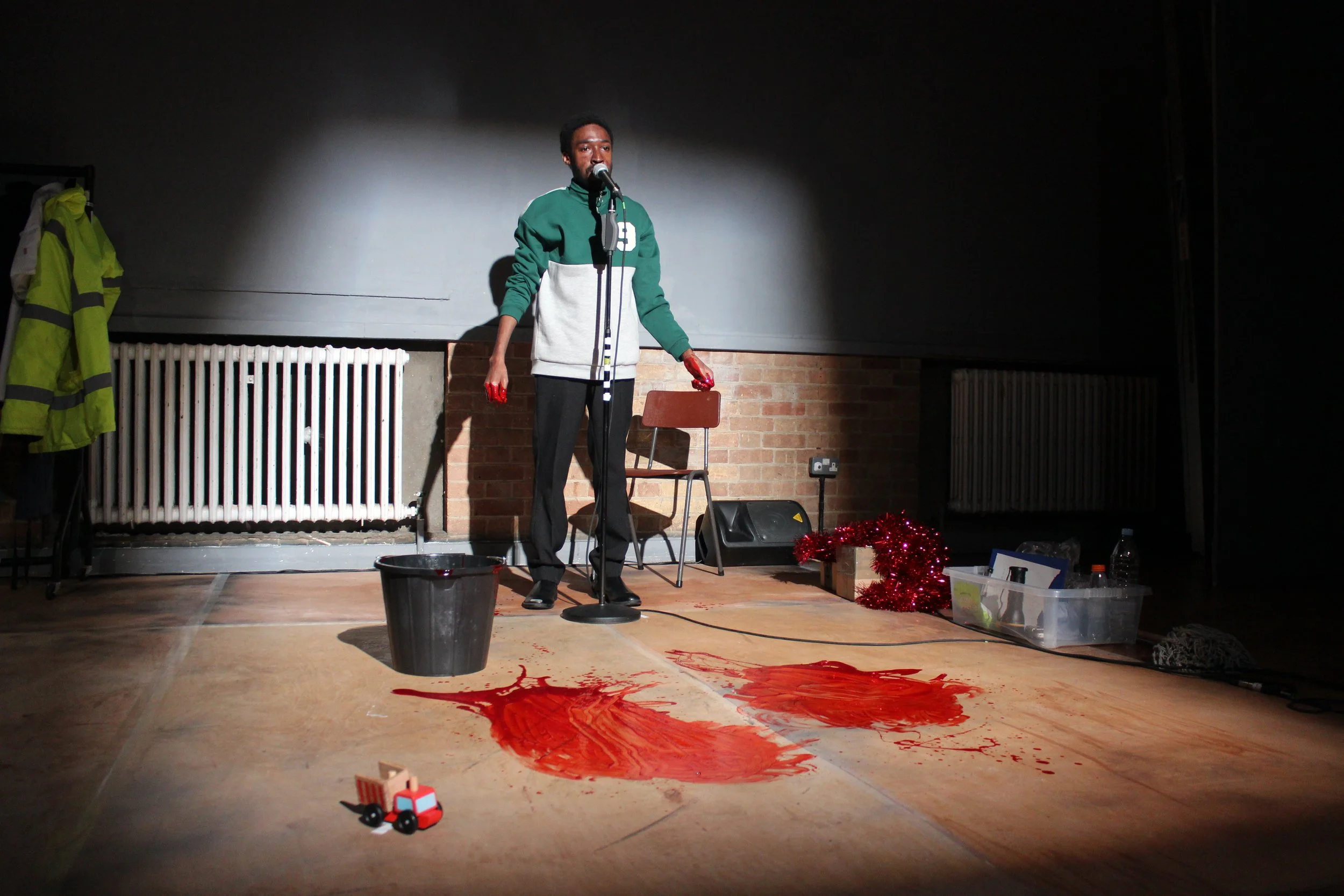
ILLEGALISED, 2019
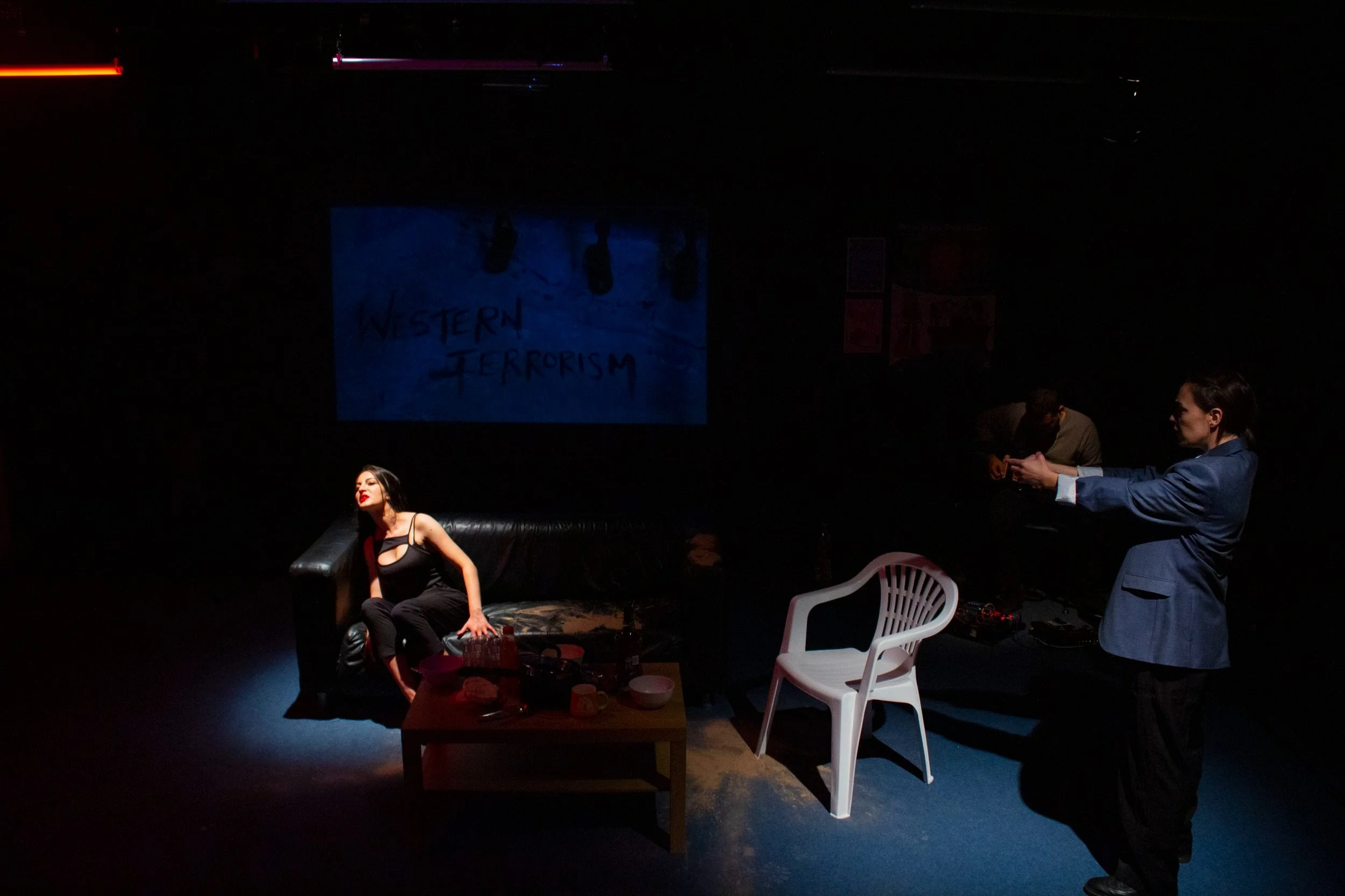
wipe these tears, 2022
Why this is relevant to tragedy
Neuroscience has resurrected the Ancient Greek idea of fate using biology instead of the will of the gods.
Instead of prophecy, we have neurochemistry.
Perhaps the meaningful question isn’t “Do we have free will?”, but “What conditions produce better behaviour?”, shifting focus from moral judgment to social design.
A trailer from my work between 2013 - 2023 below:
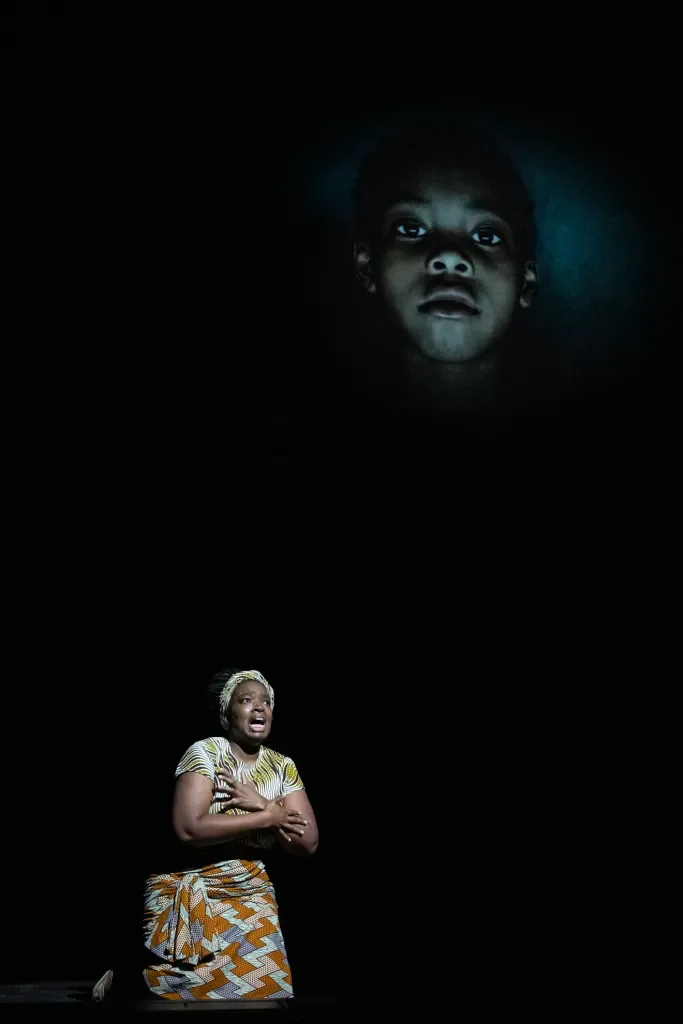
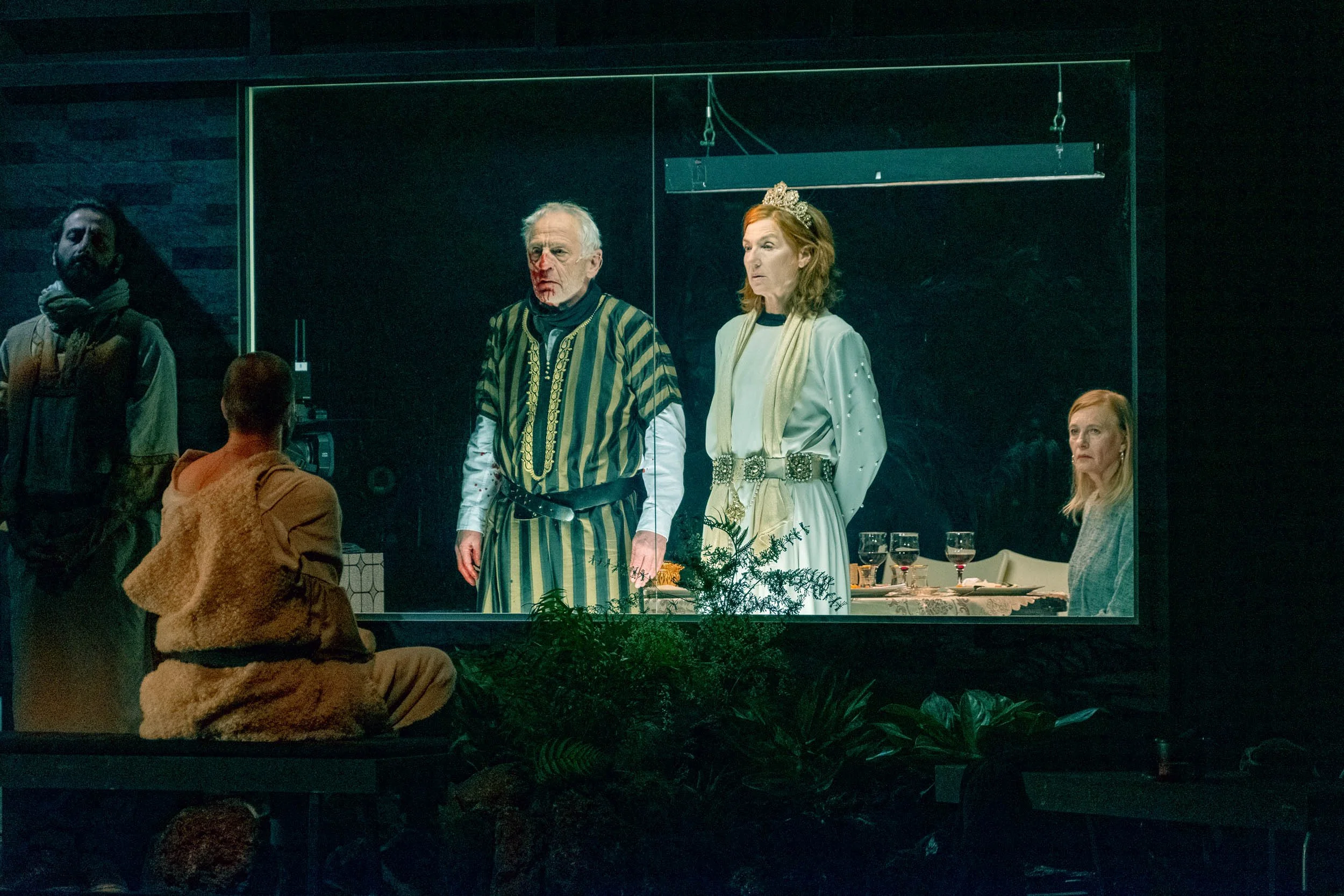
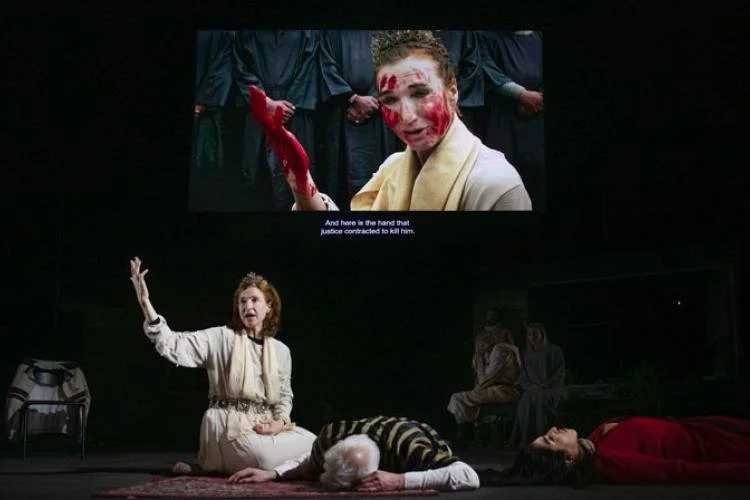
Justice by Milo Rau
Hecuba’s relevance today
Hecuba remains urgently relevant in a world marked by ongoing conflicts between nation states, where war is increasingly industrialised and civilians bear the greatest cost. Hecuba’s enemies are not only the conquering Greeks but also former allies and neighbouring powers, reflecting how modern conflicts entangle multiple actors and leave ordinary people trapped between them. Stripped of status, family and homeland, she cannot control what happens to her; her only remaining agency lies in how she responds.
This resonates with the experiences of besieged populations today, who are often praised for their resilience despite being forced into impossible circumstances they did not choose. The play exposes the cruel logic by which suffering is normalised while responsibility becomes diffuse.
Viewed through a neuroscientific lens, Hecuba raises a further question about freedom and constraint: if our behaviour is shaped by trauma, survival mechanisms and external forces, what kind of choice is truly available? The tragedy suggests that while events may be beyond our control, the meaning we create from them and the actions we take in response may be the only space where agency survives.
Visual inspiration from research and other artists for FATE
Synopsis of Euripides’ Hecuba
Set after the fall of Troy, the play follows Hecuba, the defeated queen now enslaved by the victorious Greeks. As the army prepares to depart, she learns that her daughter Polyxena is to be sacrificed at the tomb of Achilles. Unable to stop it, Hecuba witnesses her daughter’s death, deepening her grief and sense of powerlessness.
Soon afterward, the body of her youngest son Polydorus is discovered. He had been sent for safekeeping to the Thracian king Polymestor, who instead murdered him for his wealth. Overwhelmed by loss and betrayal, Hecuba resolves to take revenge. She tricks Polymestor into entering her tent, where she and the captive Trojan women kill his children and blind him.
The play concludes with a confrontation between Hecuba and Polymestor before the Greek commander Agamemnon, raising unresolved questions about justice, revenge, and the moral cost of suffering.
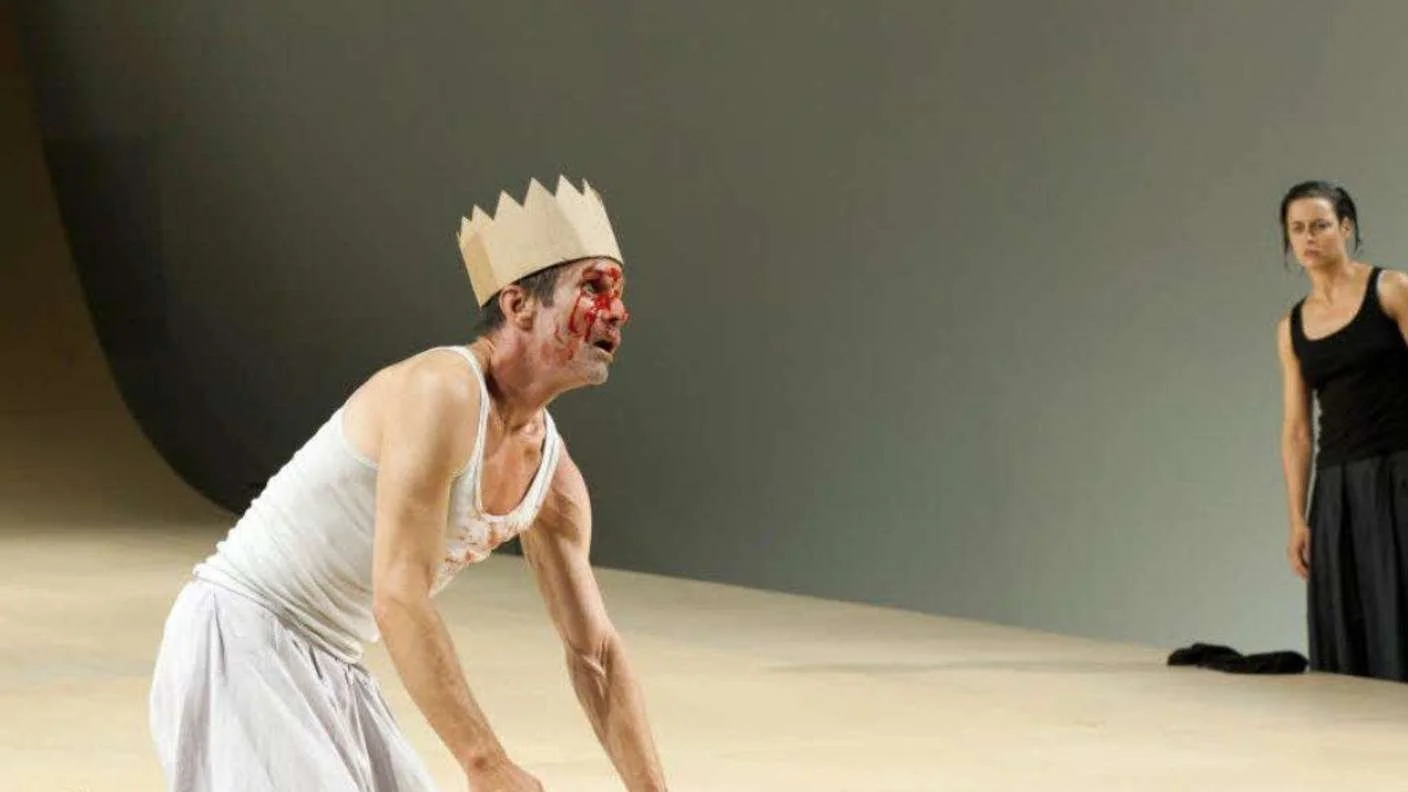
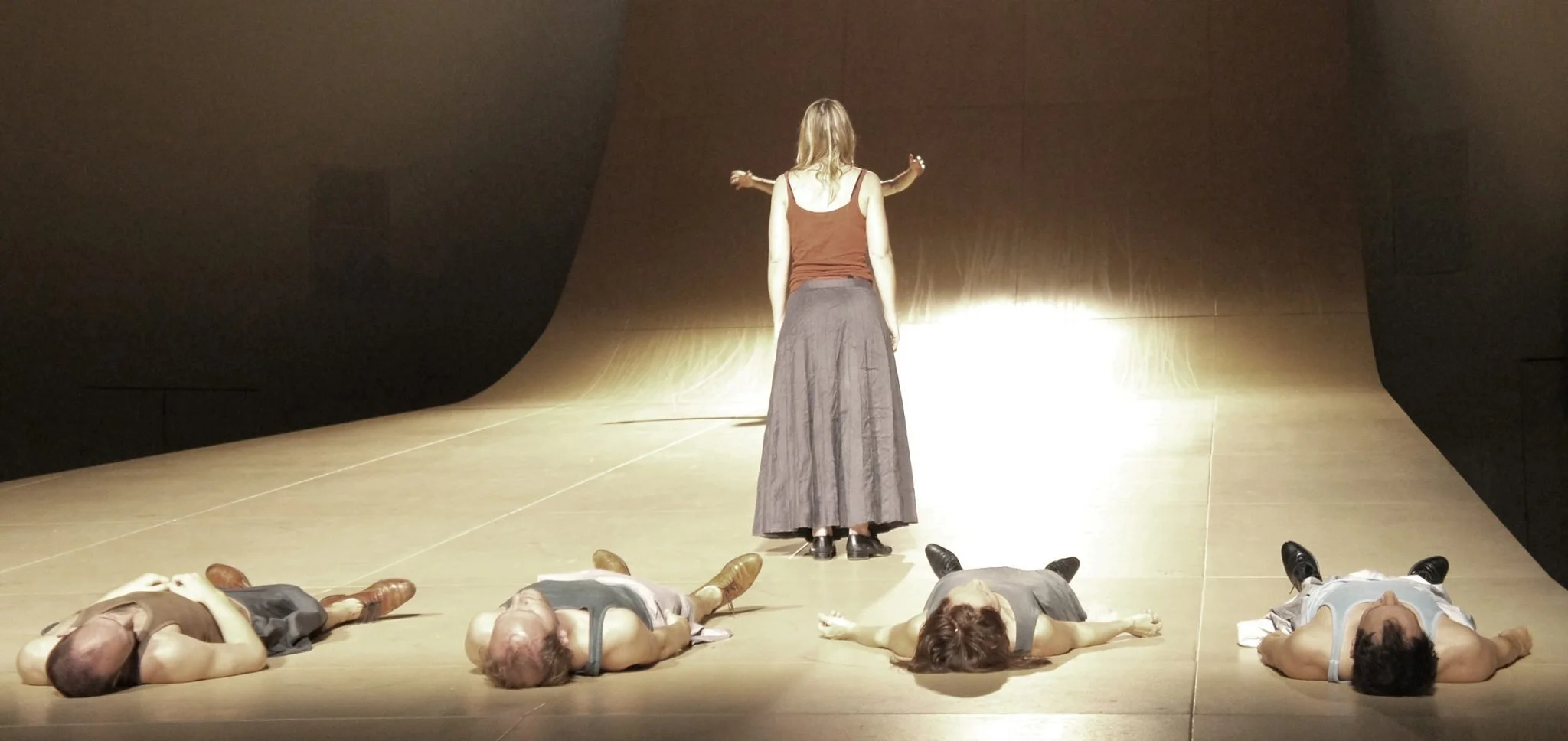
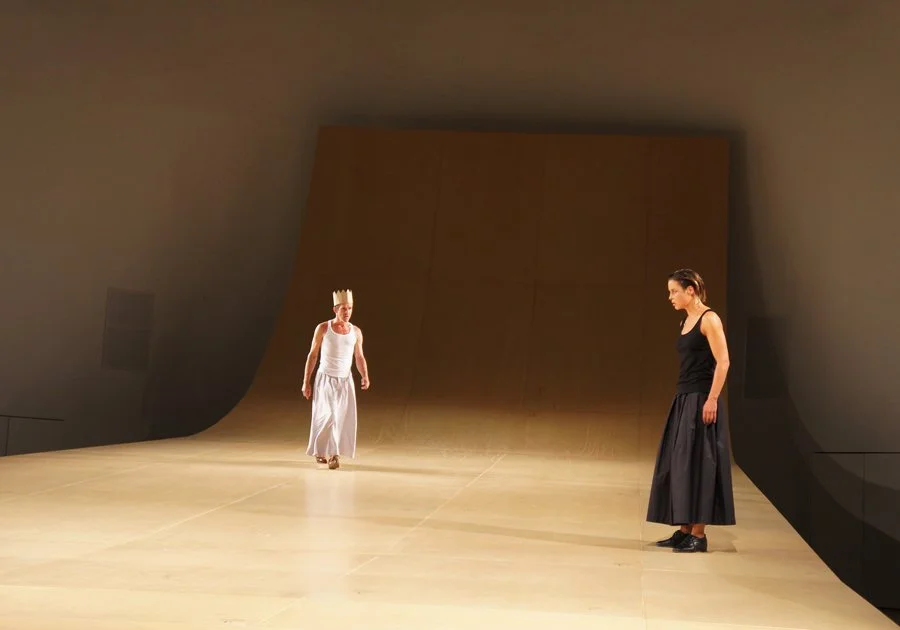
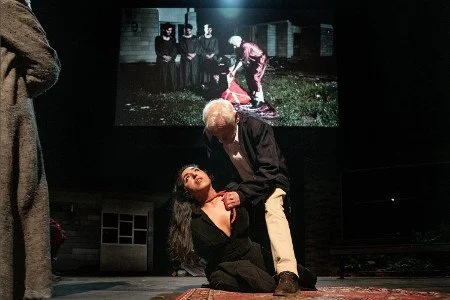
Ödipus Stadt by Stephan Kimmig
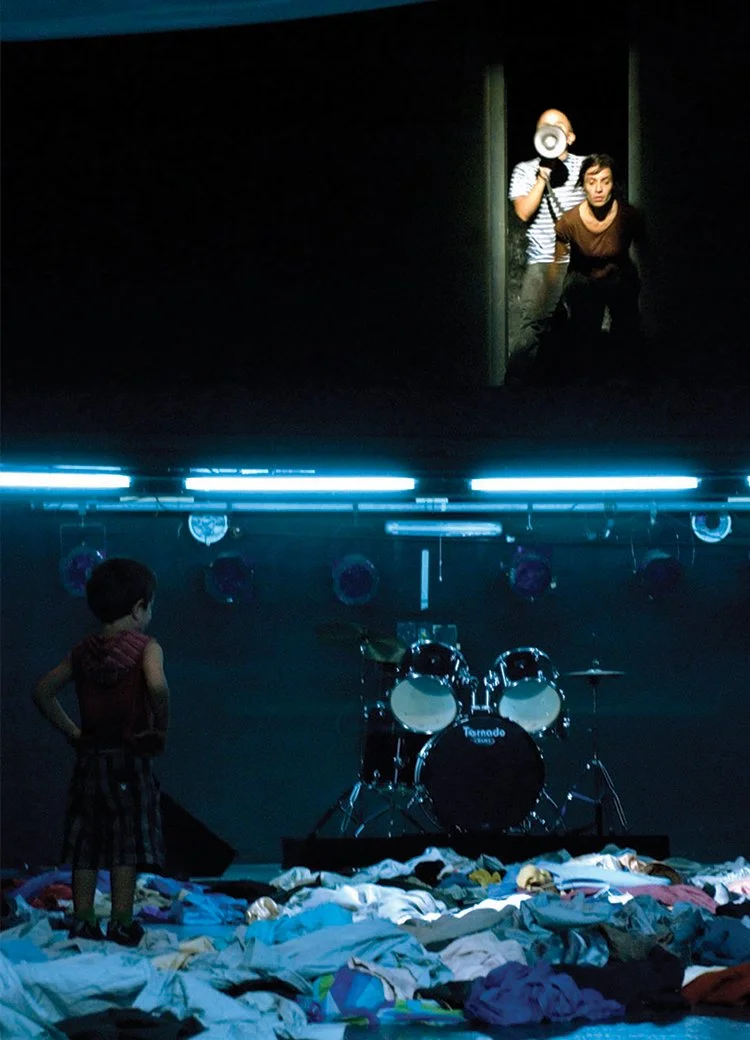
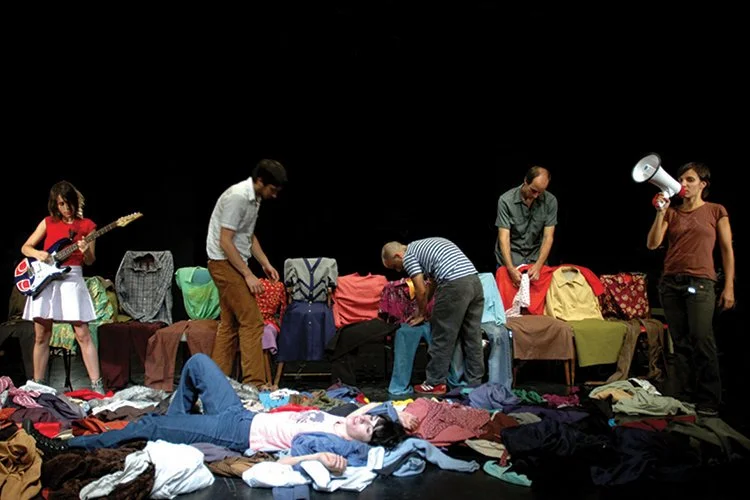
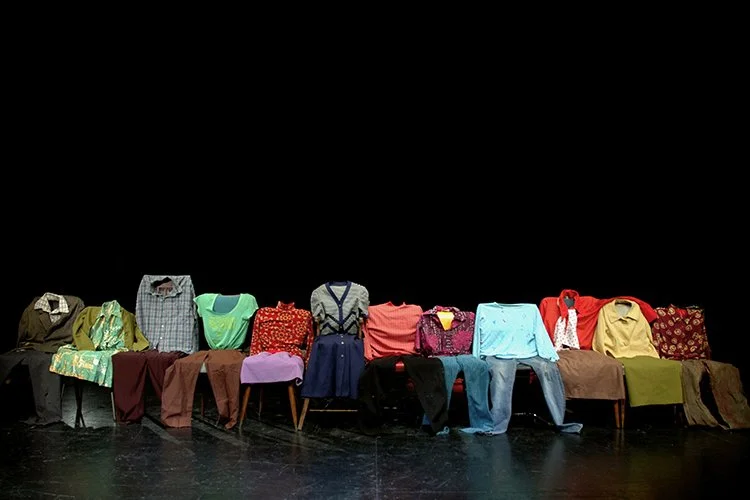
My Life After by Lola Arias
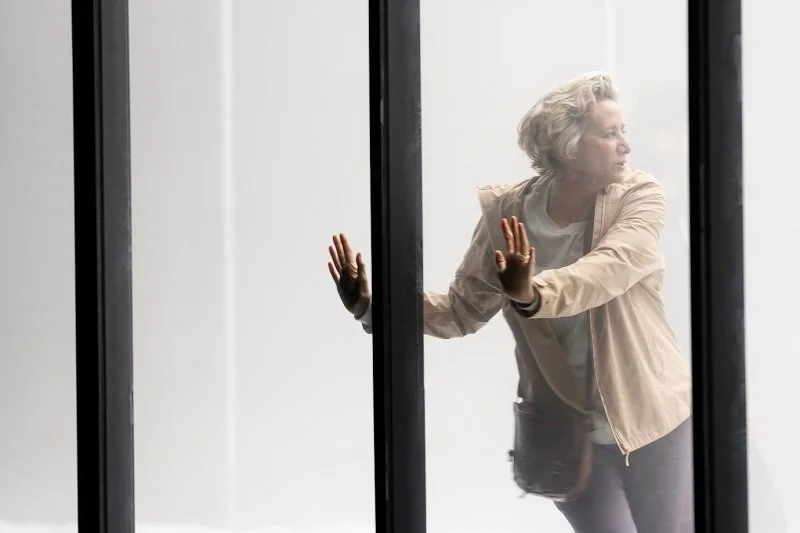
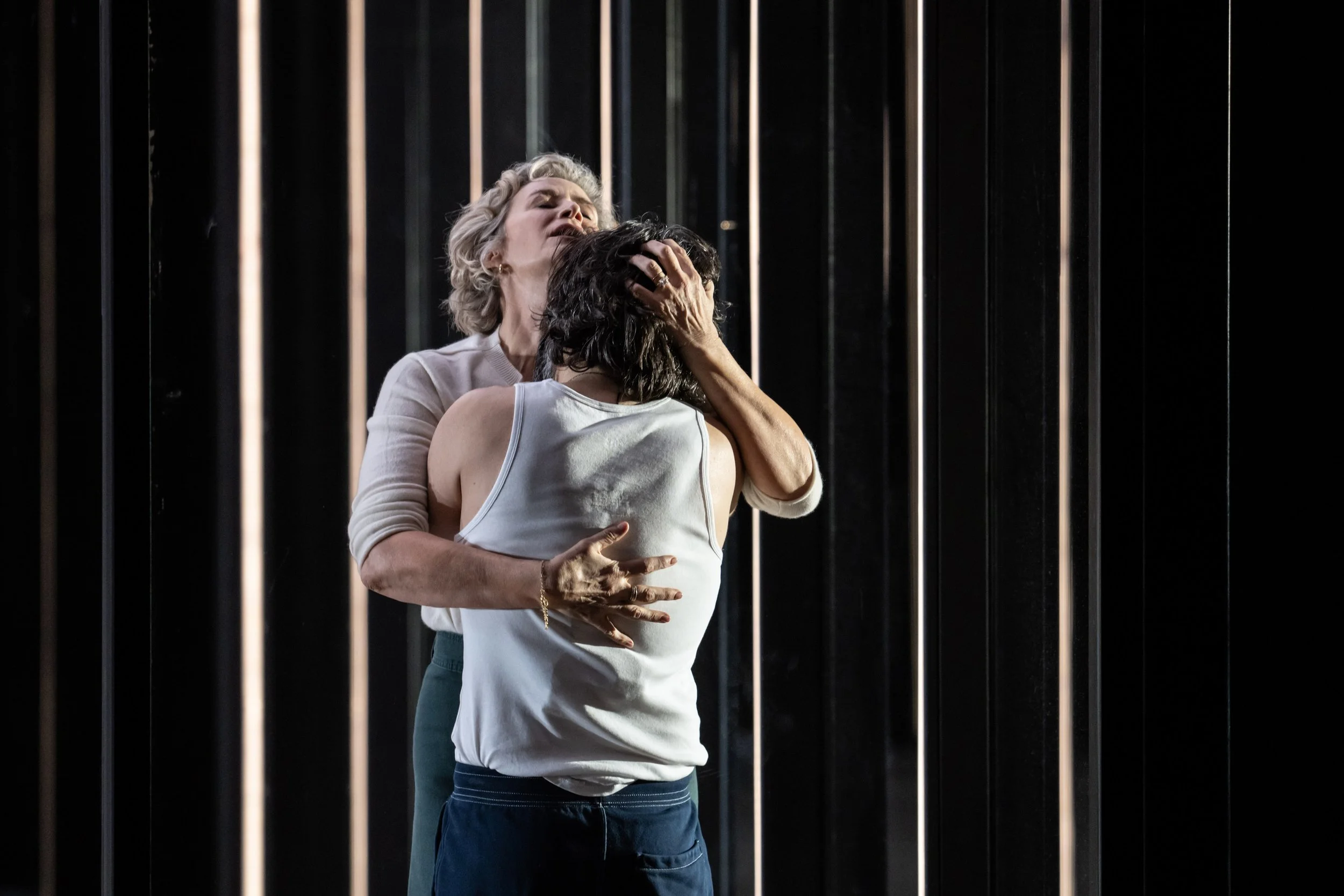
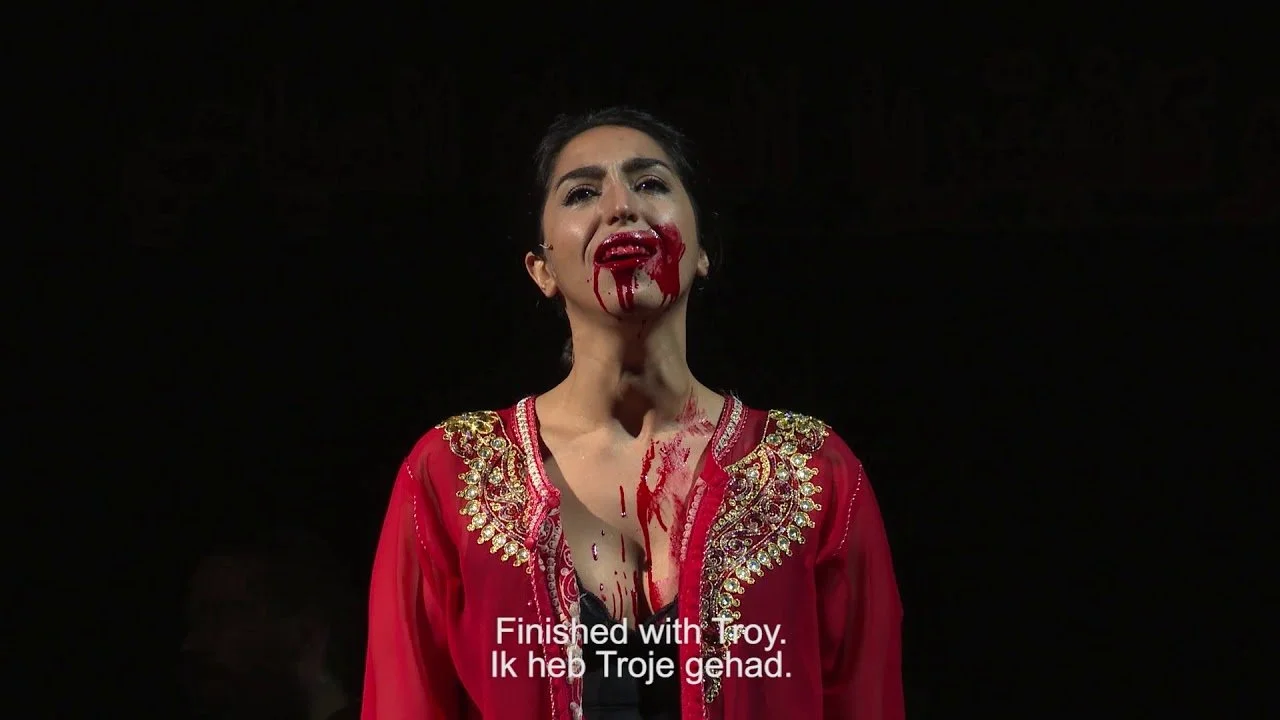
Phaedra by Simon Stone
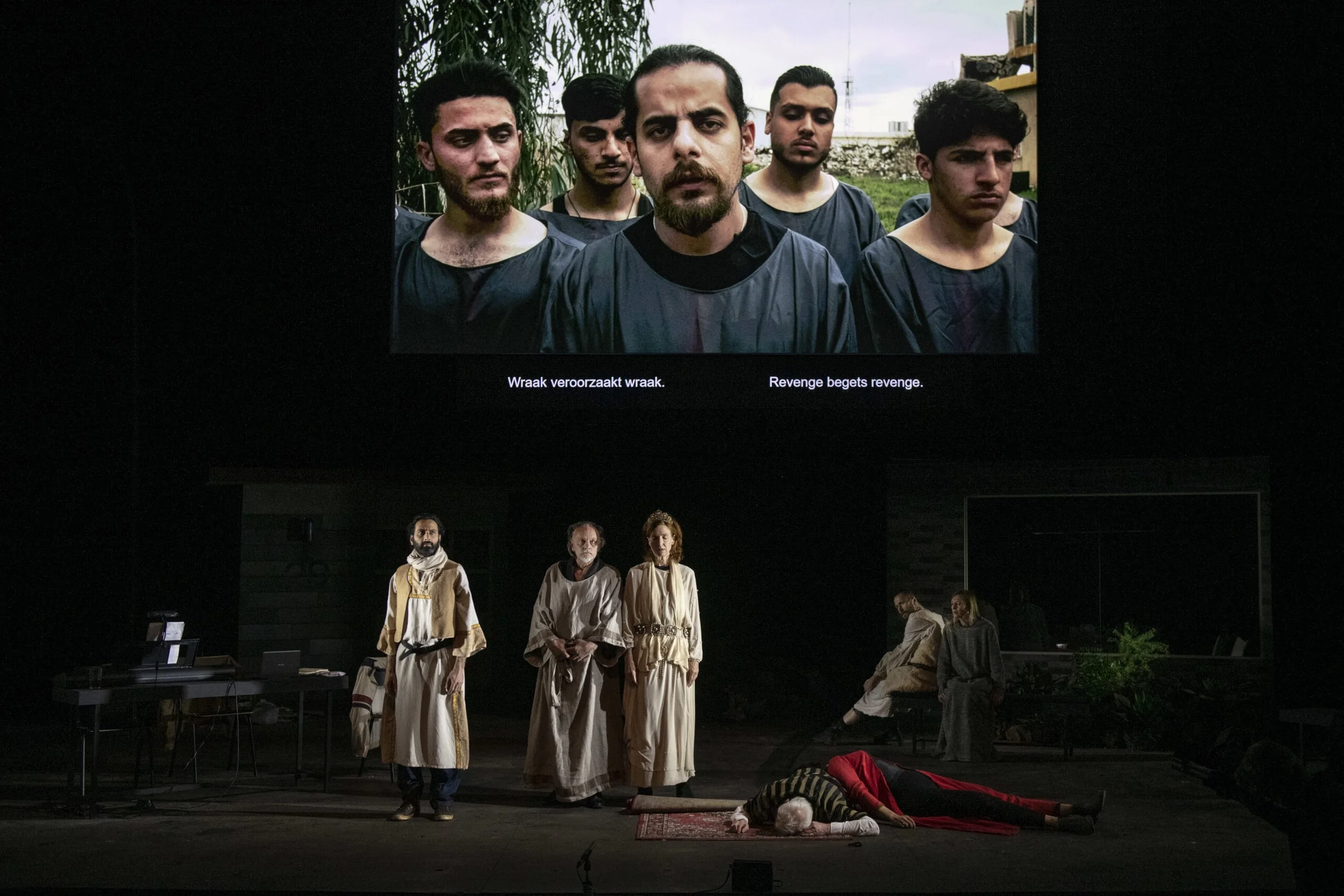
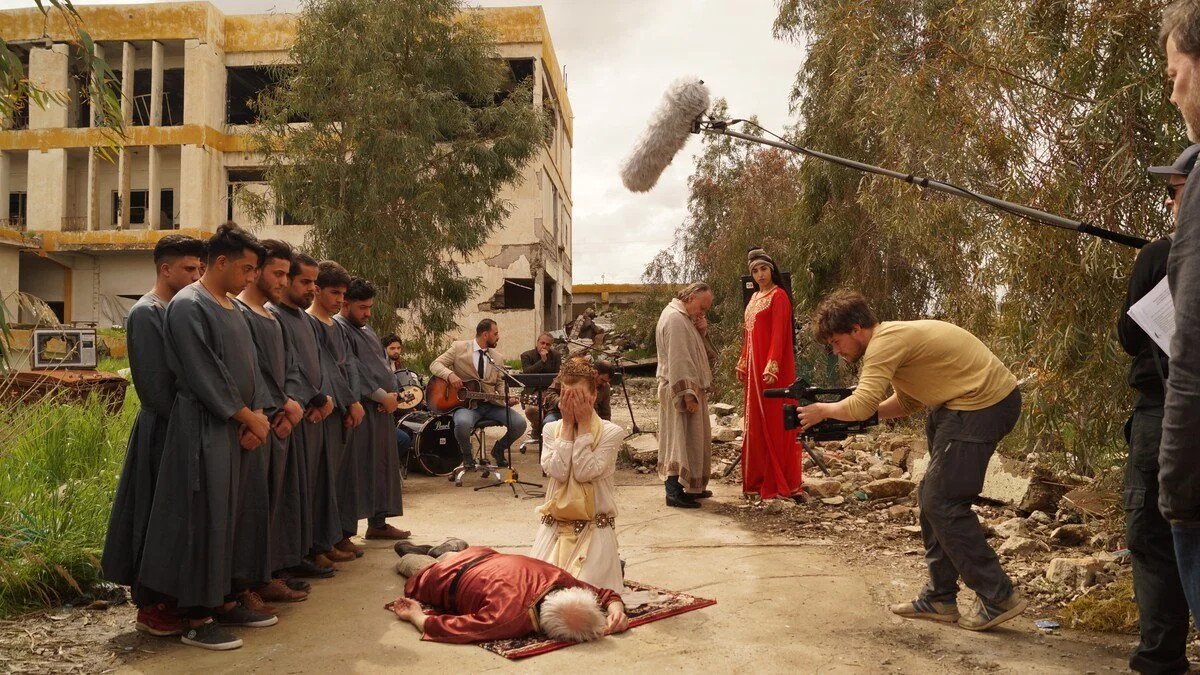
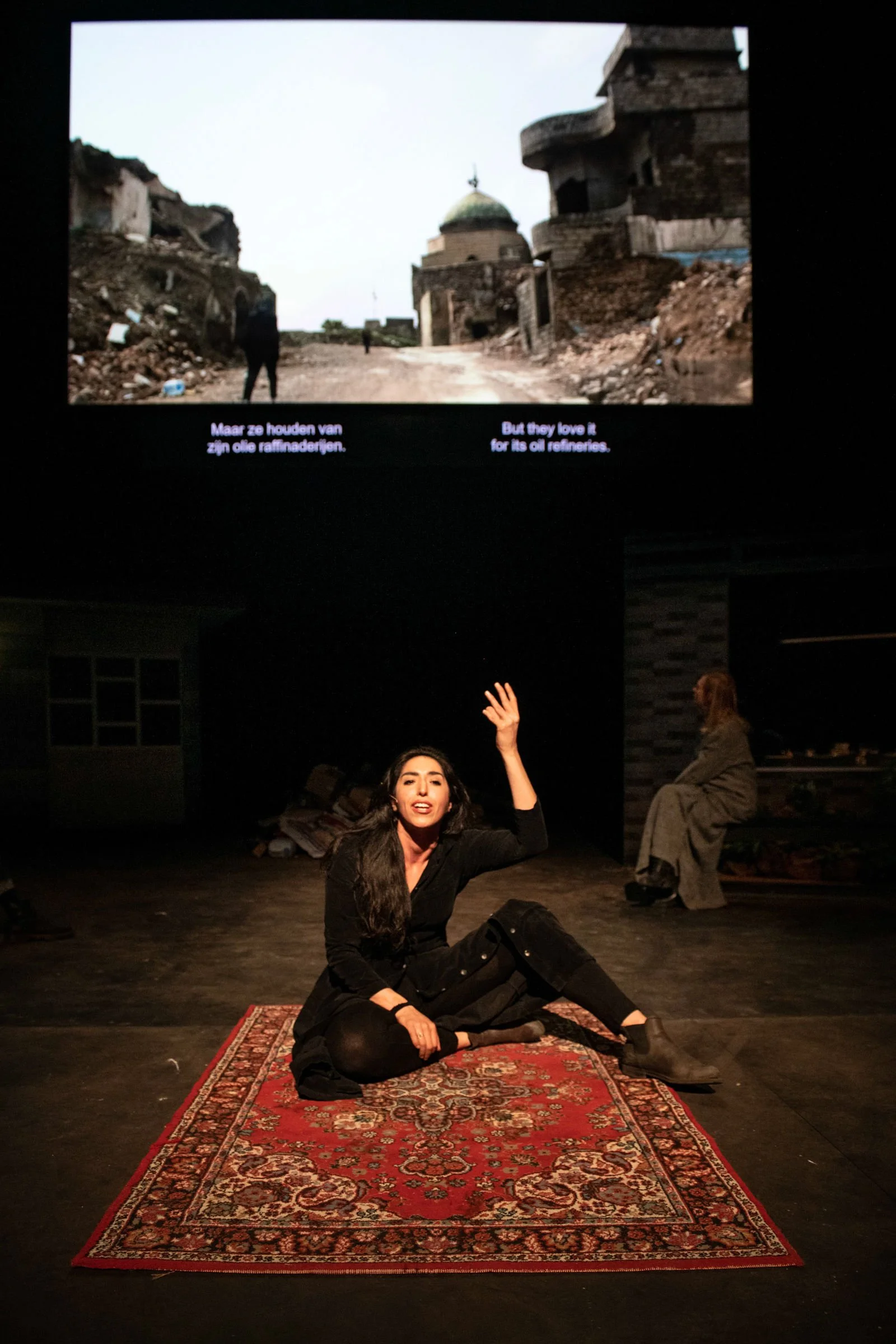
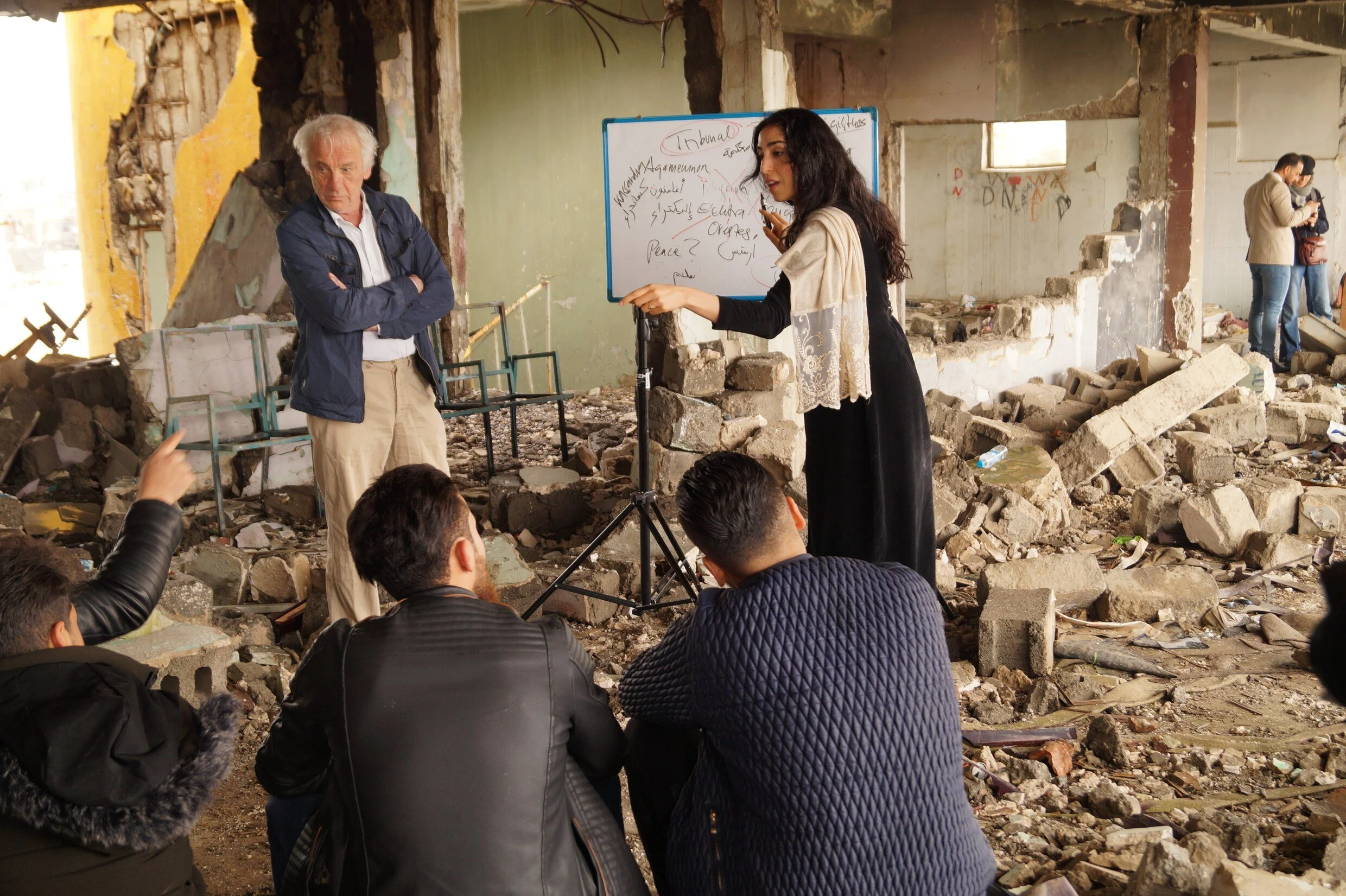
Orestes in Mosul by Milo Rau
Support letters from partners