The First Year (of The Gaza Genocide in The Media) Supporting Document
Moodboard: our methodology, influences and inspiration
We are influenced by Brechtian theatre in both form and intention: we make the mechanics of theatricality visible. Our aesthetic is deliberately stripped back and striking, transforming space through lighting, shifting audience perspective, live song, and integrated video to expose rather than conceal theatricality. Audiences are not asked to suspend disbelief but to interrogate what they are witnessing.
We draw from poor theatre in our economy of means and reliance on the actor’s body as primary scenography. Working physically, often at the limits of what is physically and emotionally possible, we use Laban-informed movement to create heightened states that reveal power dynamics, change, and resistance. All our working methodologies are trauma-informed, and the wellbeing of all our collaborators and participants is of utmost importance. Integrated safeguarding and wellbeing, and bespoke mental health support ensure that we can work safely, and achieve the intensity and accuracy needed for this engaging and challenging work.
We use object transformation methods borrowed from the tradition of clowning to ensure that props transform, accumulate meaning, and become political objects. Reviews of our work have repeatedly noted the intensity and precision of performance, and the way minimal design creates expansive imaginative worlds.
Expressionist influences are visible in our stark lighting, design, and soundscapes, amplifying the psychological stakes of the worlds we stage and creating strong atmospheres.
Our dramaturgy is dialectical. We combine academic research and political analysis with emotionally charged, fictionalised narratives. Rather than offering simple conclusions, we construct ideological frameworks within which audiences are invited to think, question, and draw their own connections. Critics in both the UK and Romania have described our work as rigorous, urgent, and formally daring, balancing intellectual precision with visceral impact.
Across projects—from durational tribunals to multimedia performances—we work through field research, interviews, and community collaboration, ensuring that aesthetic experimentation remains anchored in lived experience. Our practice is grounded, investigative, and responsive to the moment in which it is made.
The First Year is performed by four actors and one musician. The actors multi-role composite characters drawn from interviews and field research, distilling multiple lived experiences into theatrically coherent figures. This approach protects contributors’ identities while allowing us to construct a narrative architecture capable of holding complexity, contradiction, and emotional intensity.
The show is a bold collage of
a forensic video-mapped timeline to create a visual world and the correlation between media reports, arms sales, and the human cost of media misreporting
testimonies (fictionalised, performed by actors or projected in their original form) of Palestinians from Gaza and the diaspora
fictionalised and dramatic reenactments of events based on conflicting media reports
interactive live polls where the audience votes on what they believe transpired according to media reports
presenting documents and artefacts to highlight the real-world impact of state crimes and media manipulation
Composite dramaturgy enables us to move beyond documentary-style and verbatim work into representation through synthesis: experiences are preserved, but shaped to reveal systemic patterns rather than isolated anecdotes.
Alongside this, lived experience remains present and unmediated. With consent, testimonies will be streamed or pre-recorded, creating a direct counterpoint to the performed material. This friction between mediated testimony and constructed narrative exposes the mechanics of storytelling itself, foregrounding the tension between documentation and interpretation.
The result is a form that moves between testimony and theatricality, proximity and distance, immersion and interruption. This duality reflects the central question of the piece: how narratives are constructed, and how truth is mediated.
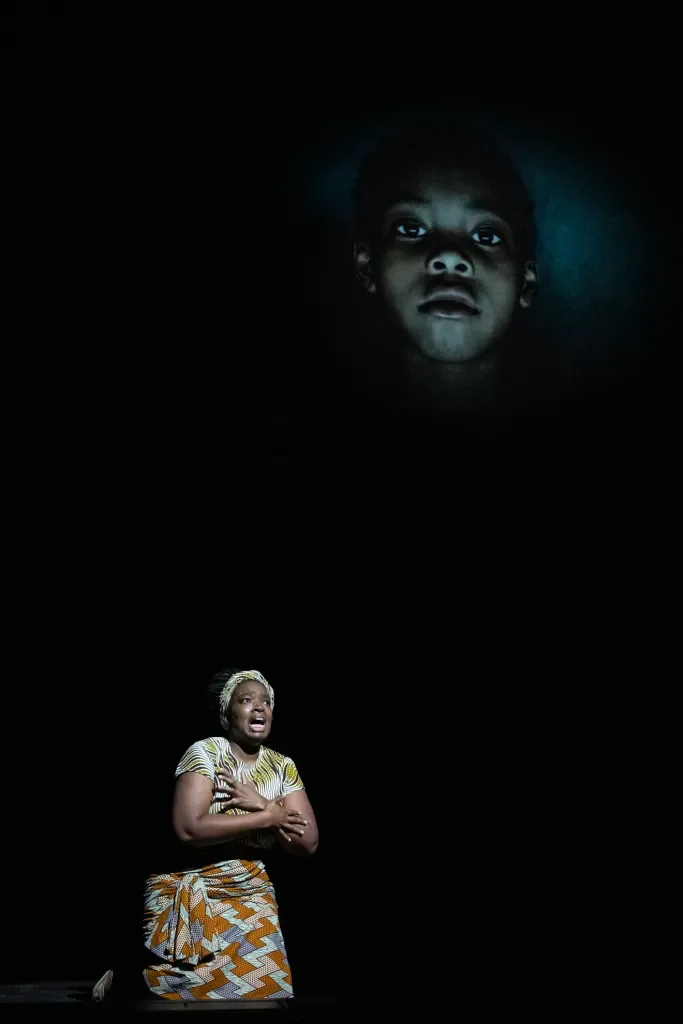
Visual examples of staging and tone from our own work:
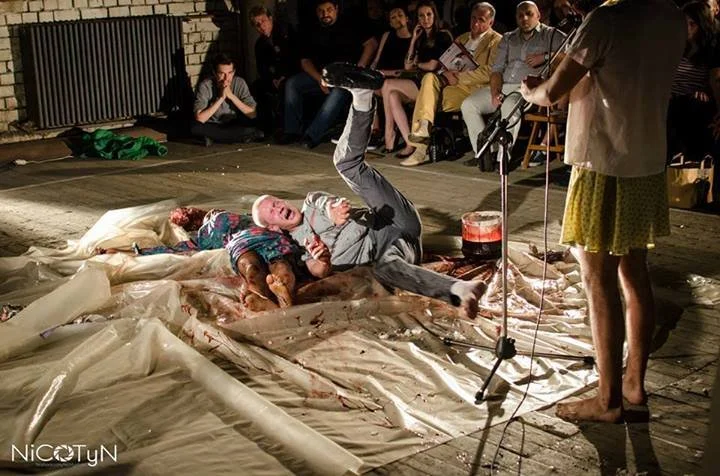
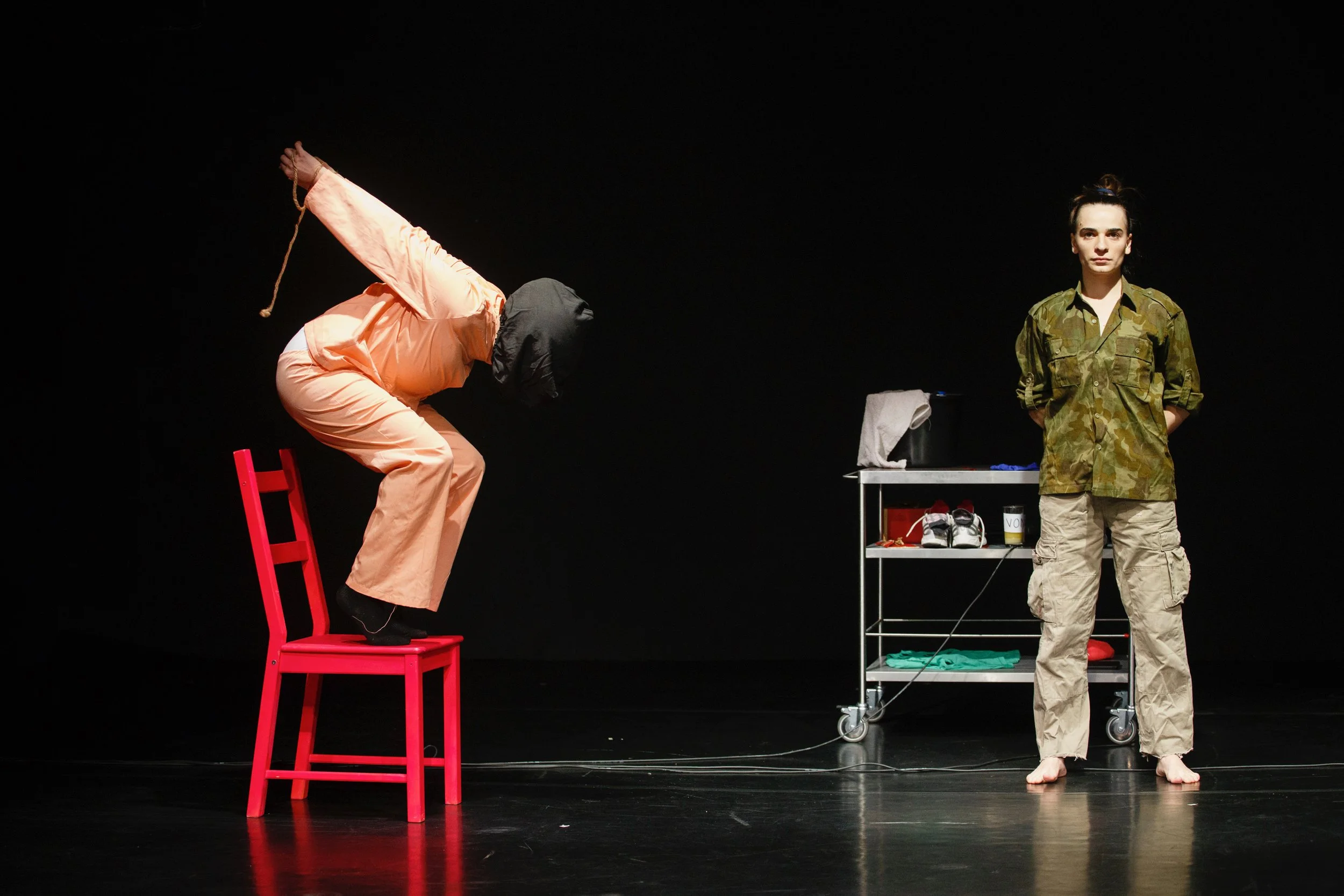
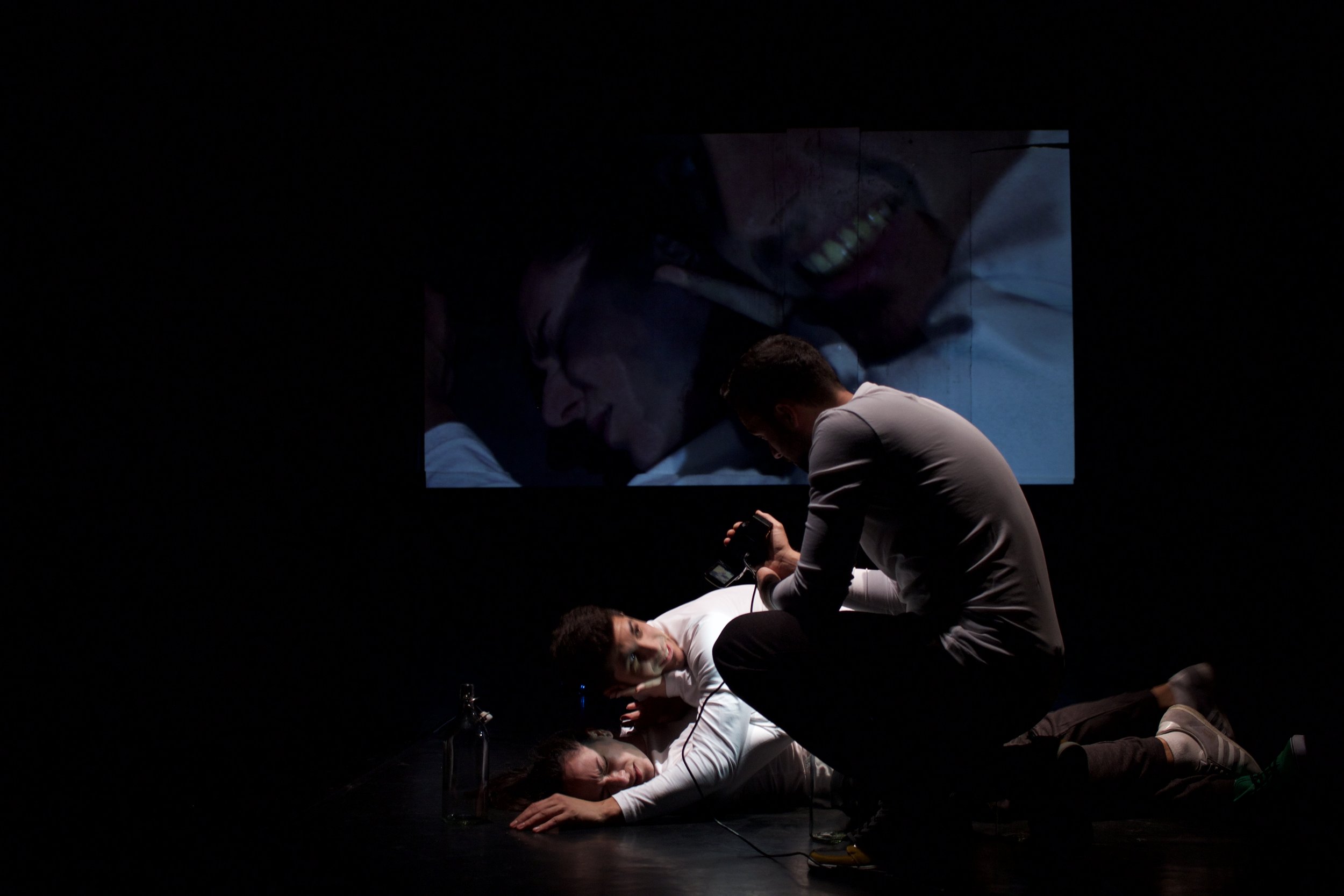
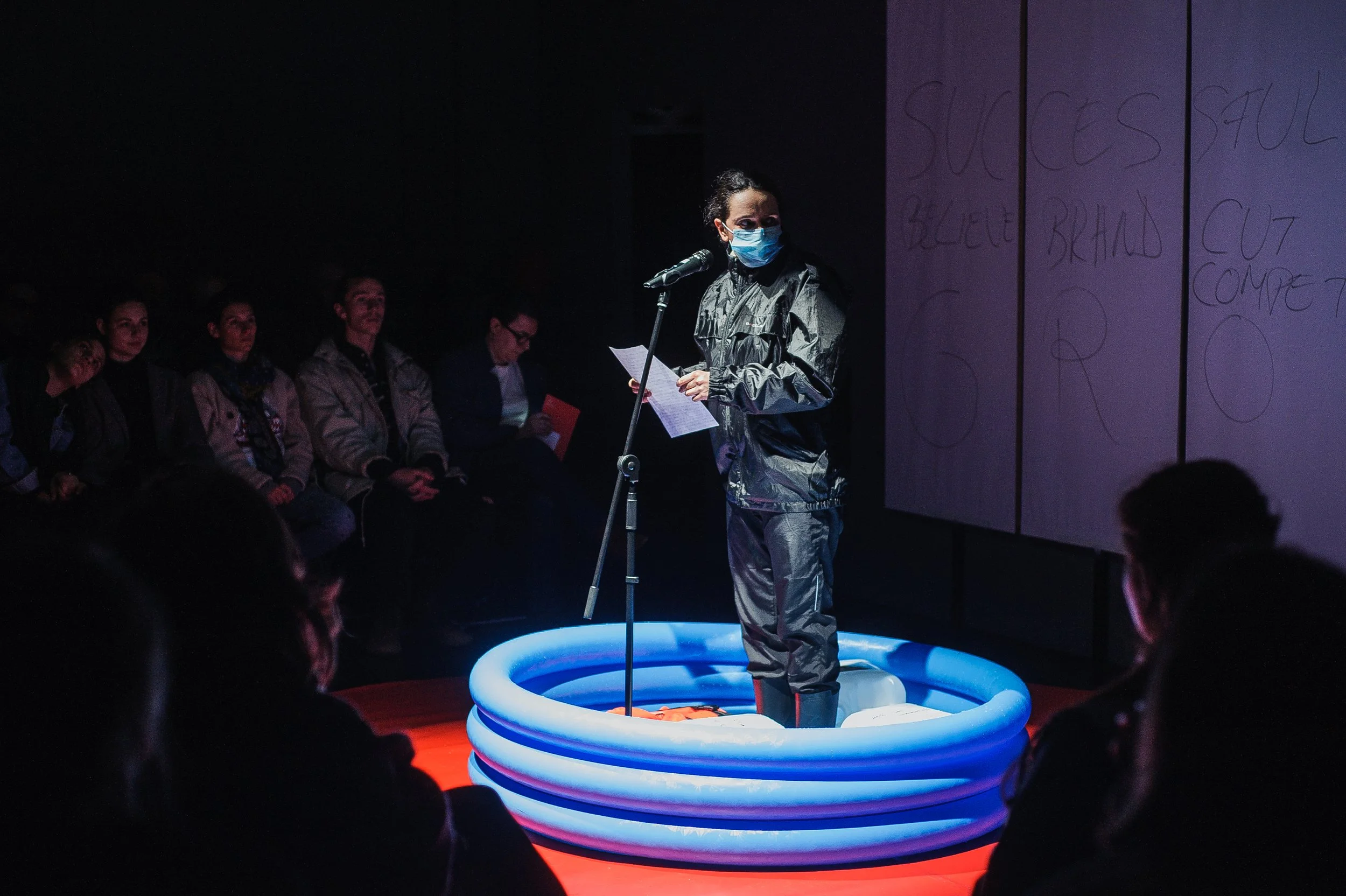
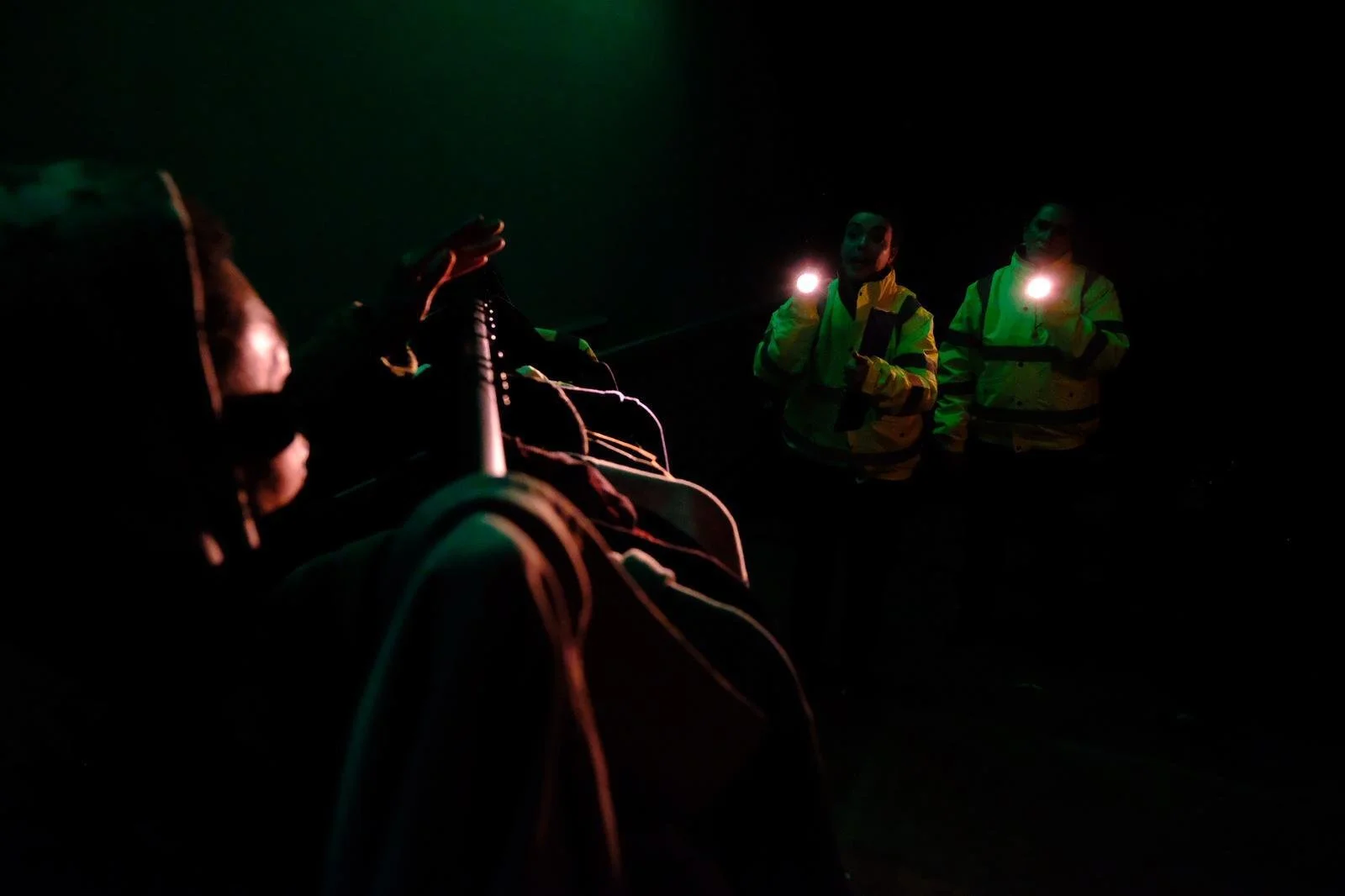
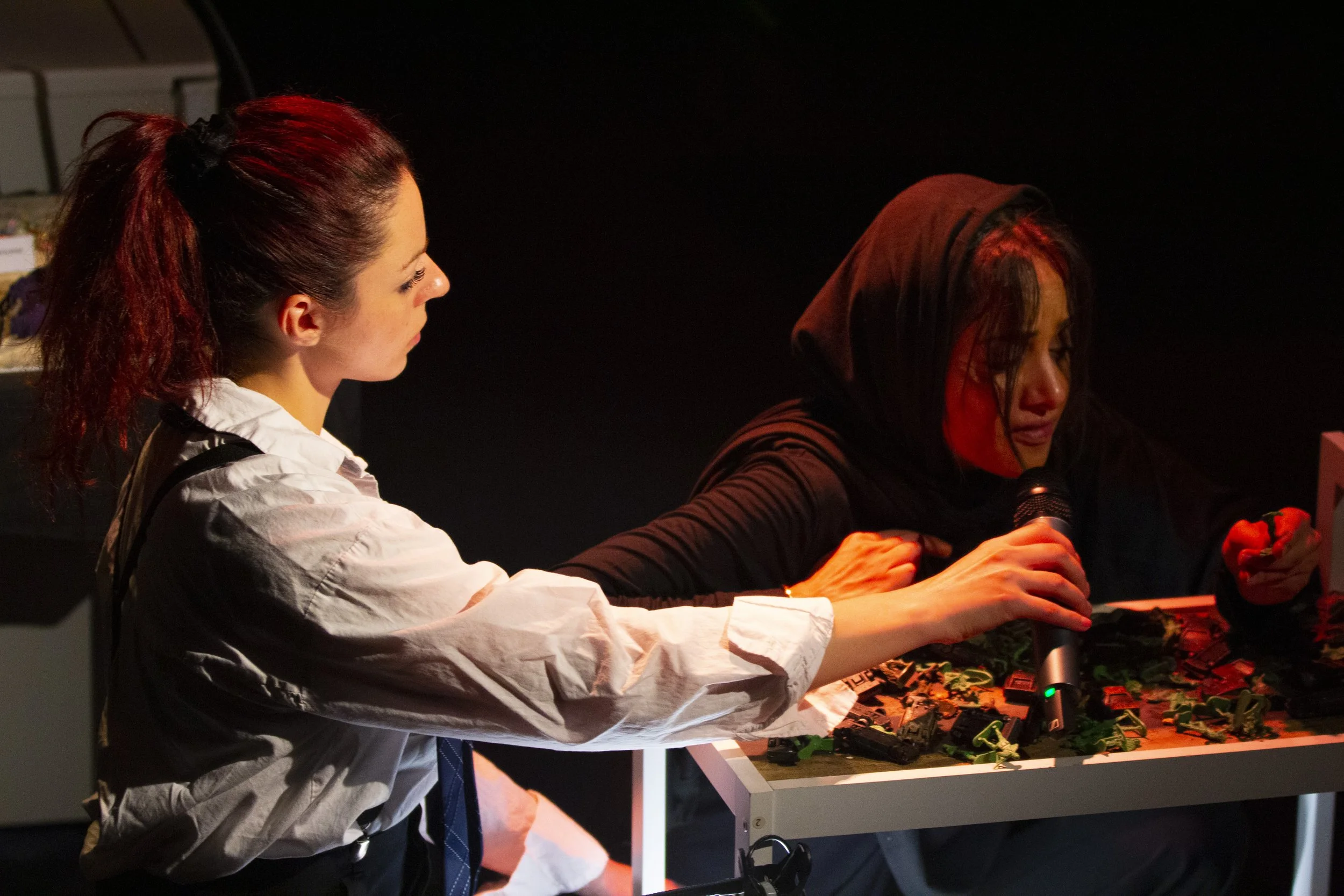
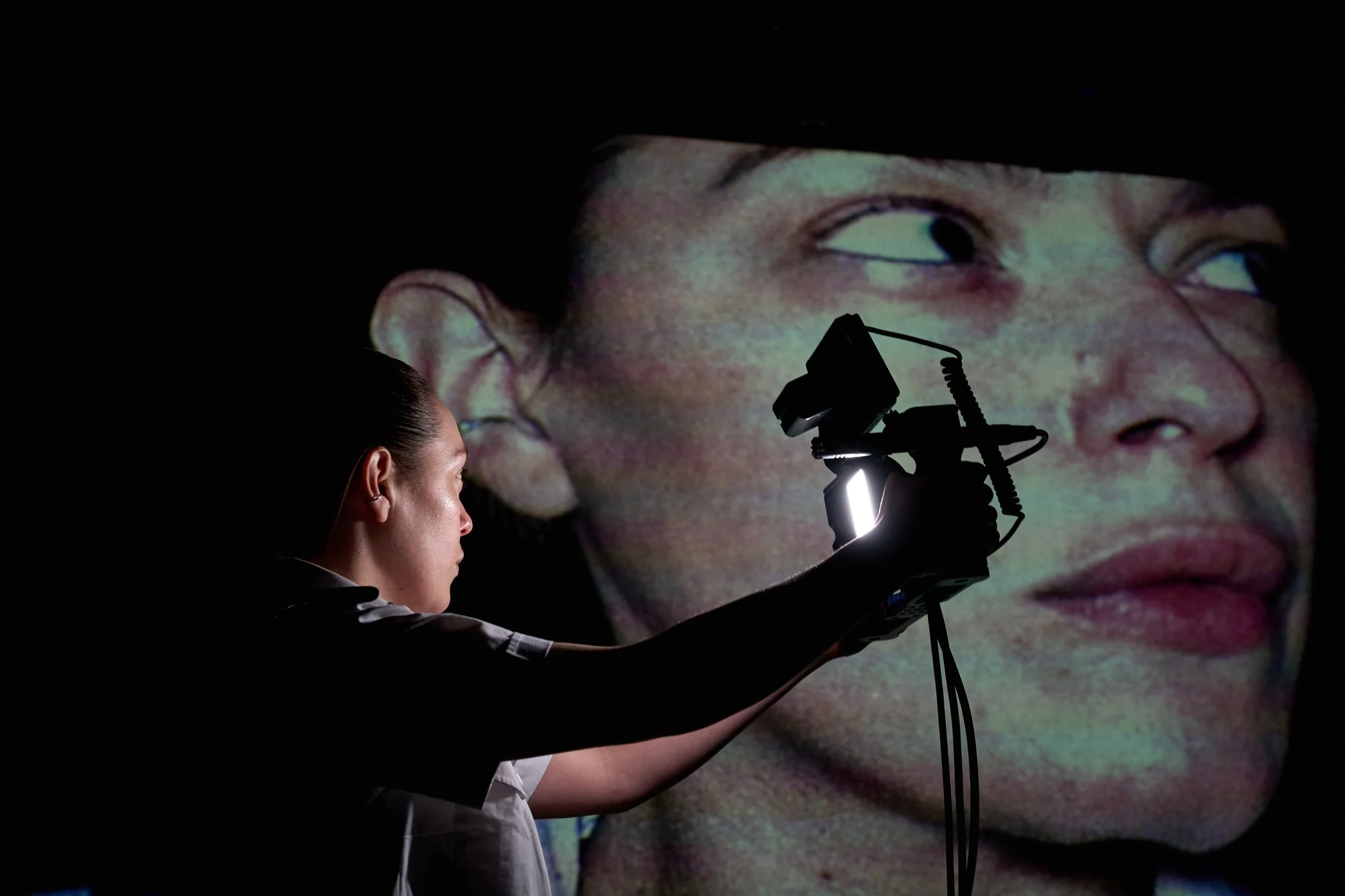
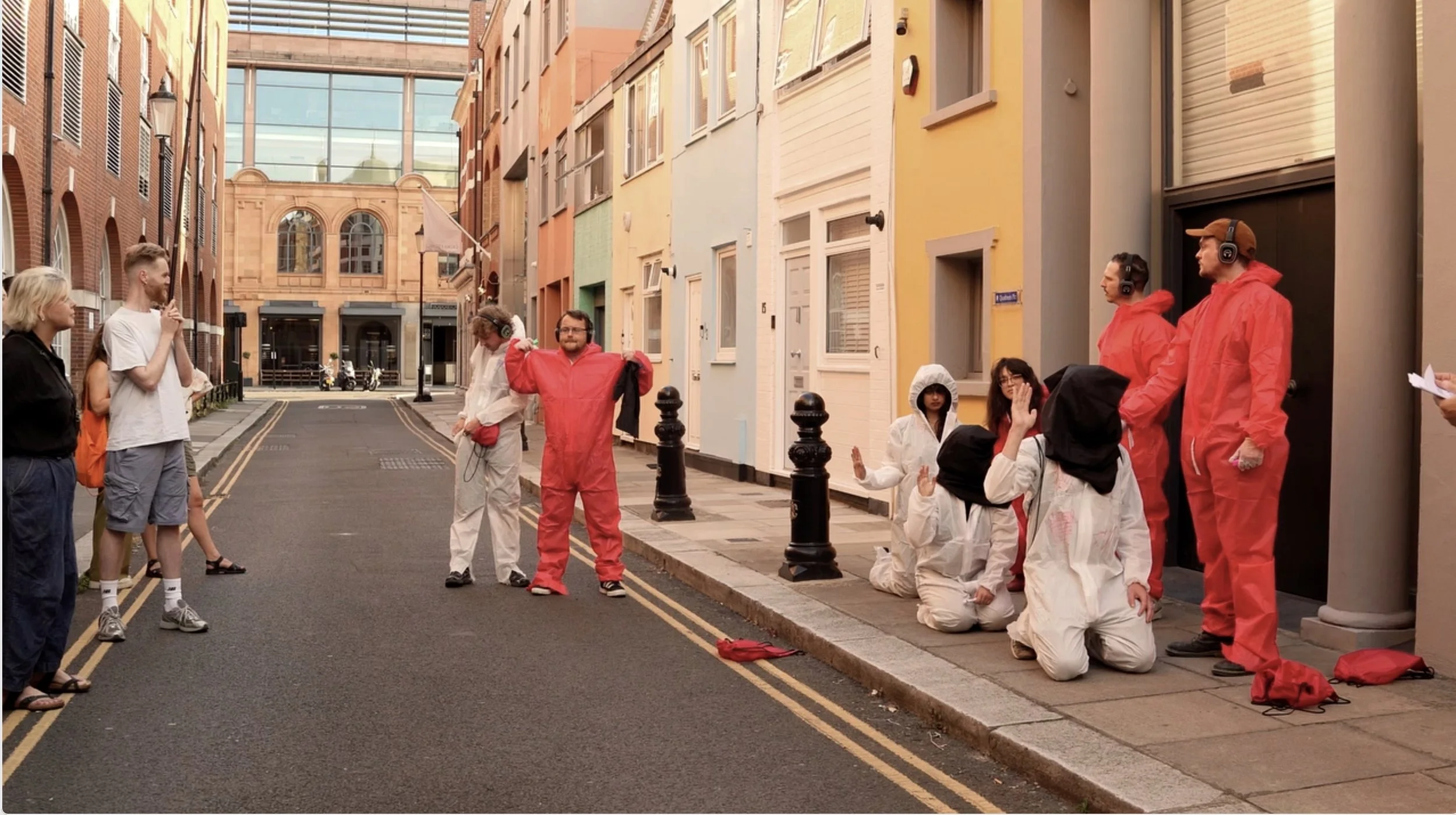
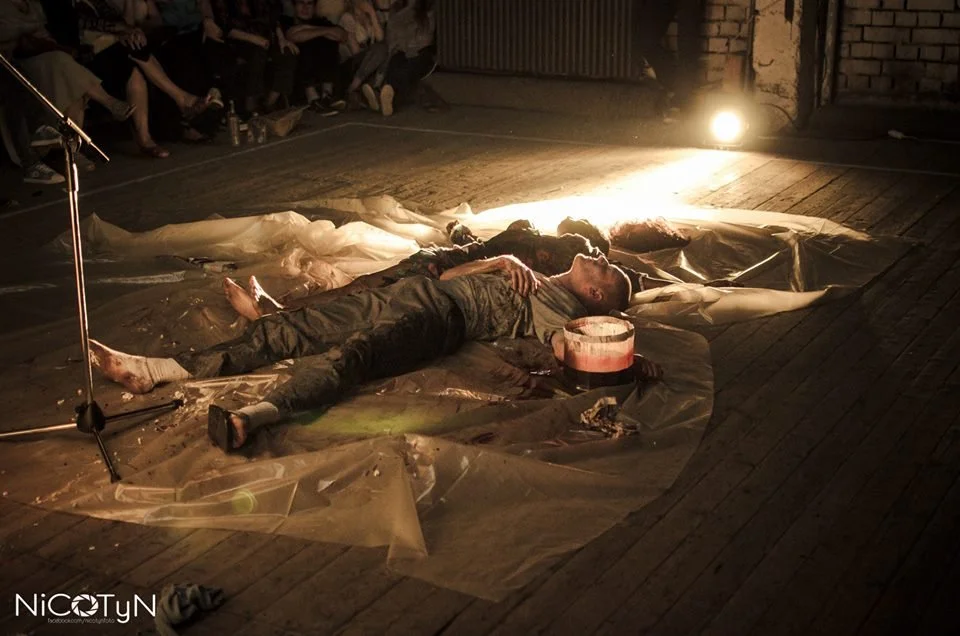
CRIME, 2014
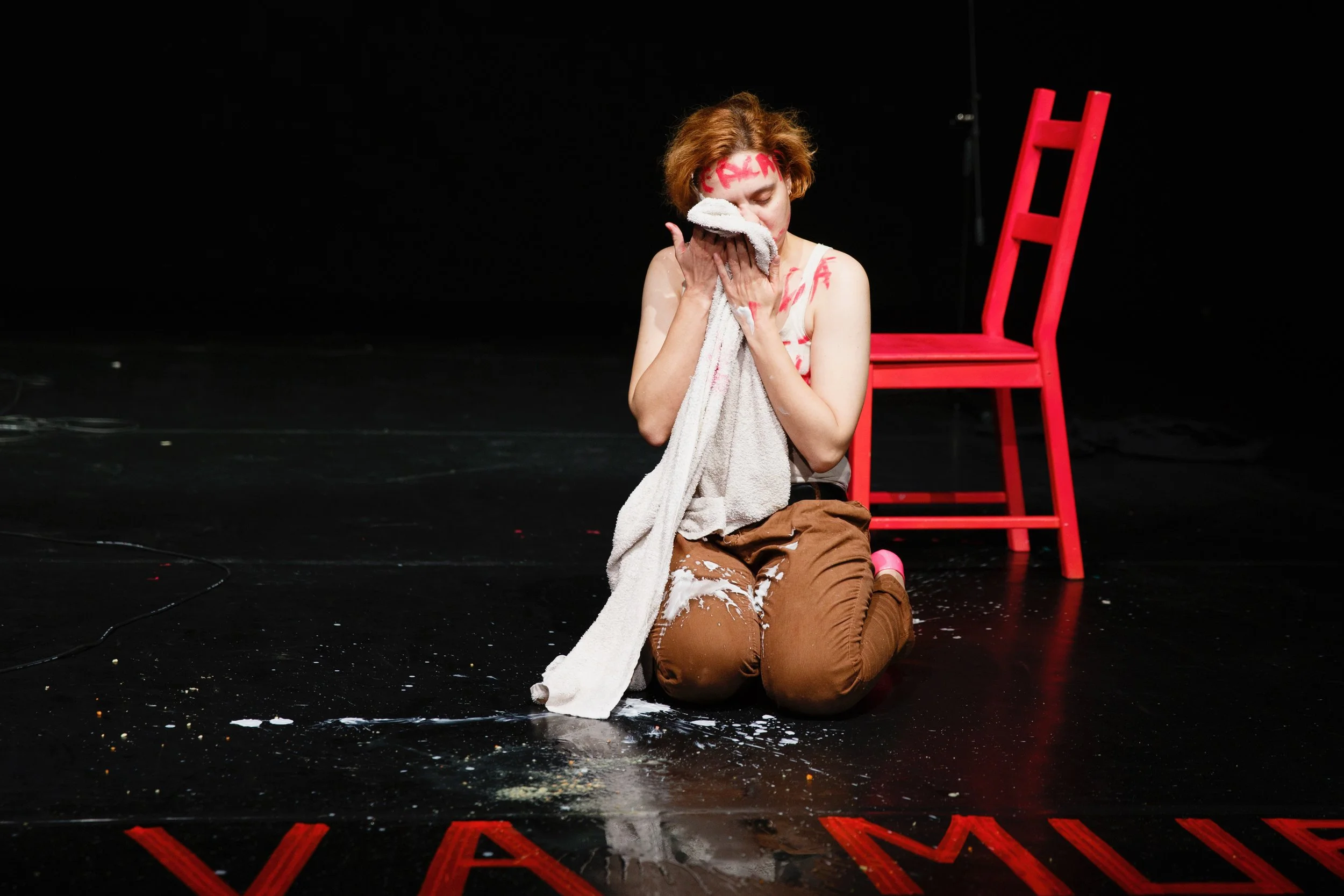
CUNTHATE [URĂ], 2015
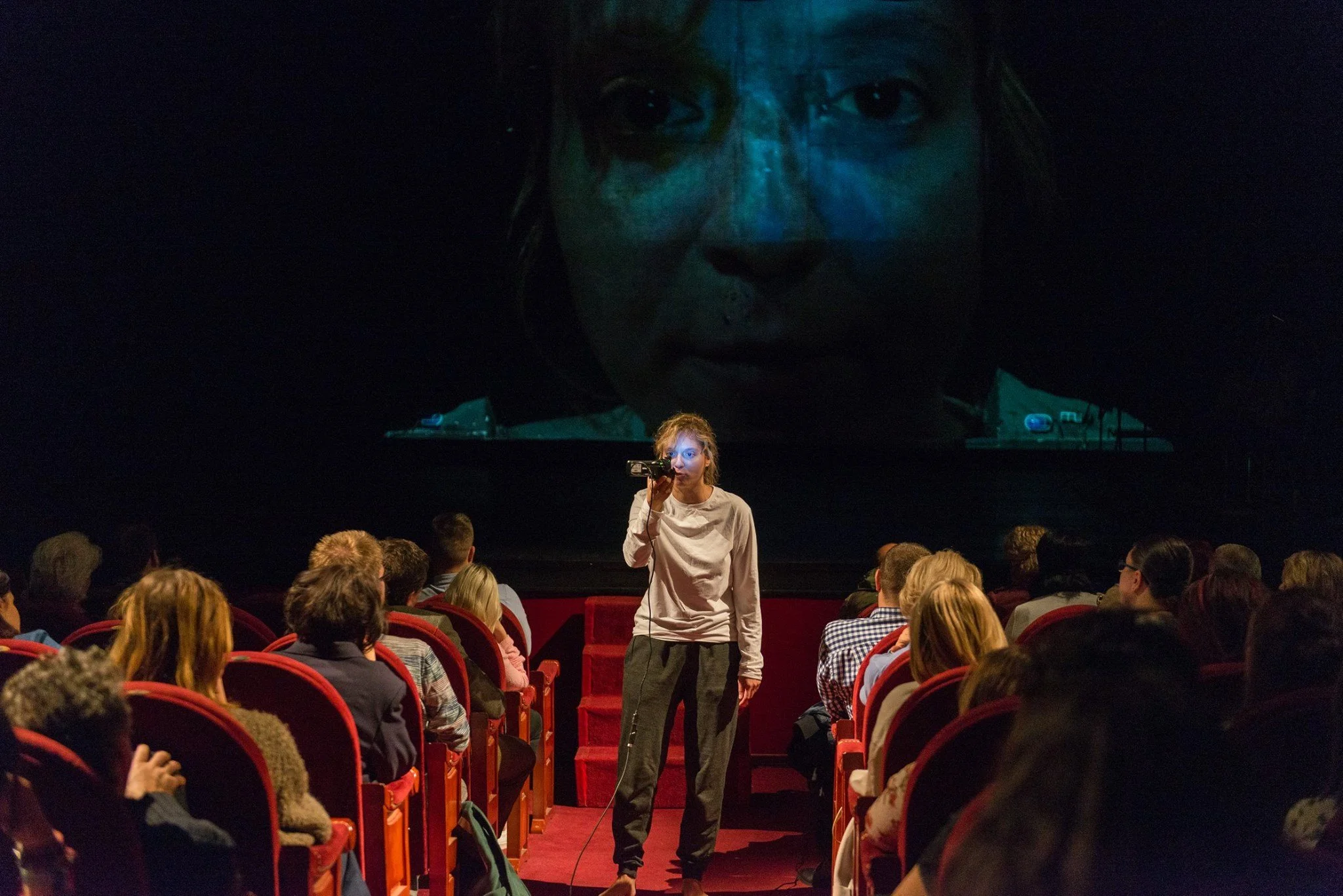
boyz and girlz, 2017
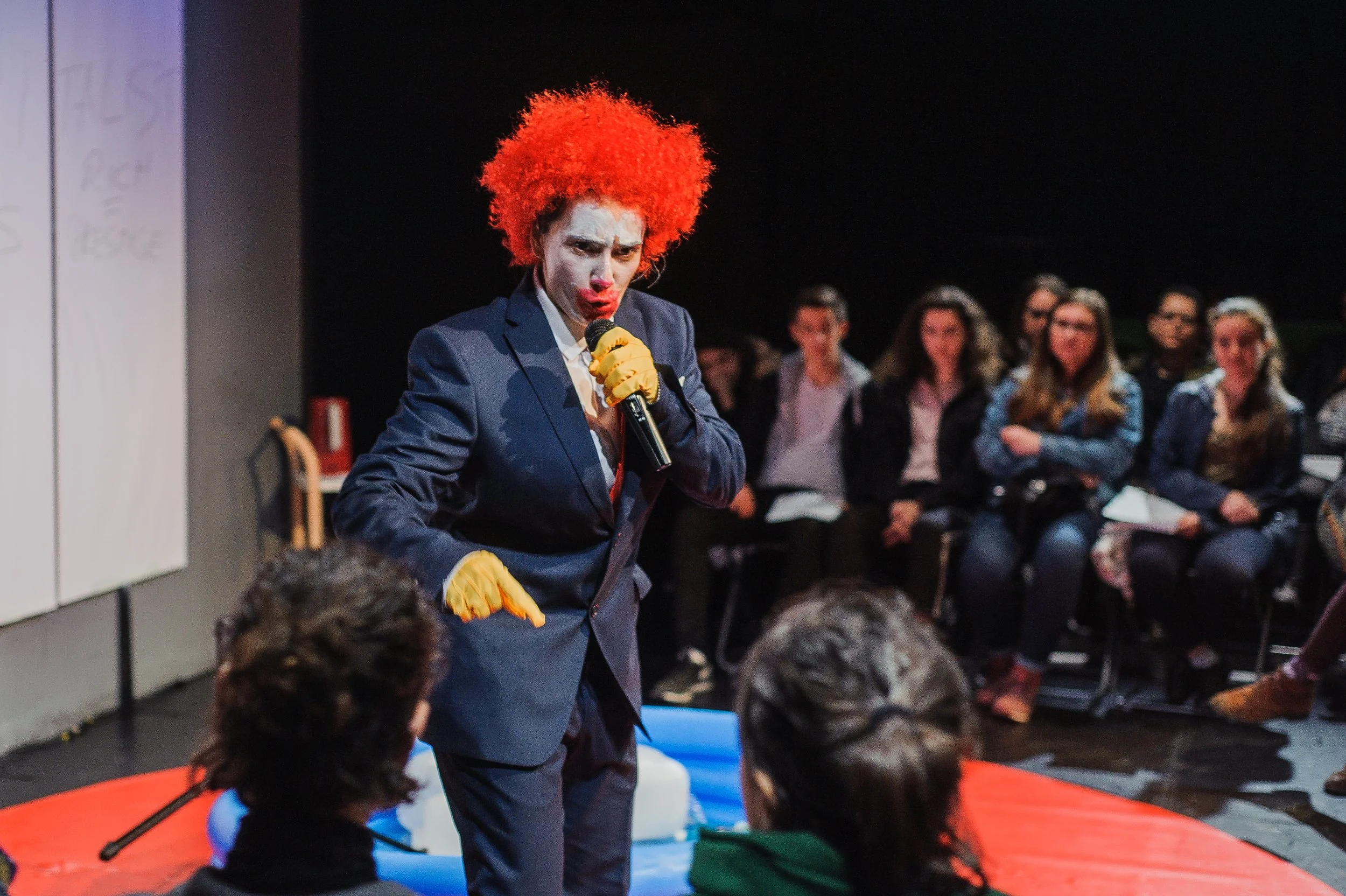
VINOVAT,-Ă, 2018
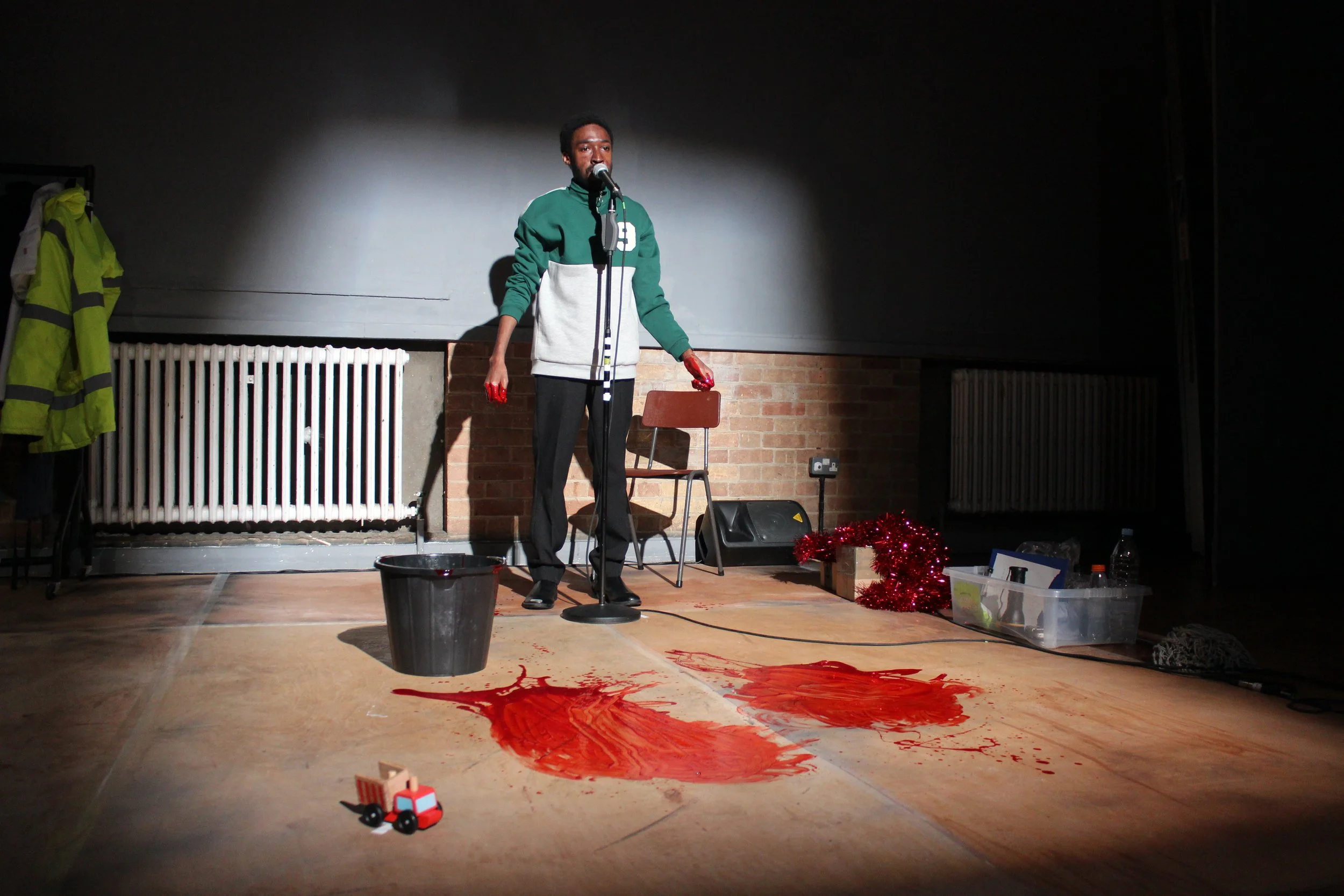
ILLEGALISED, 2019
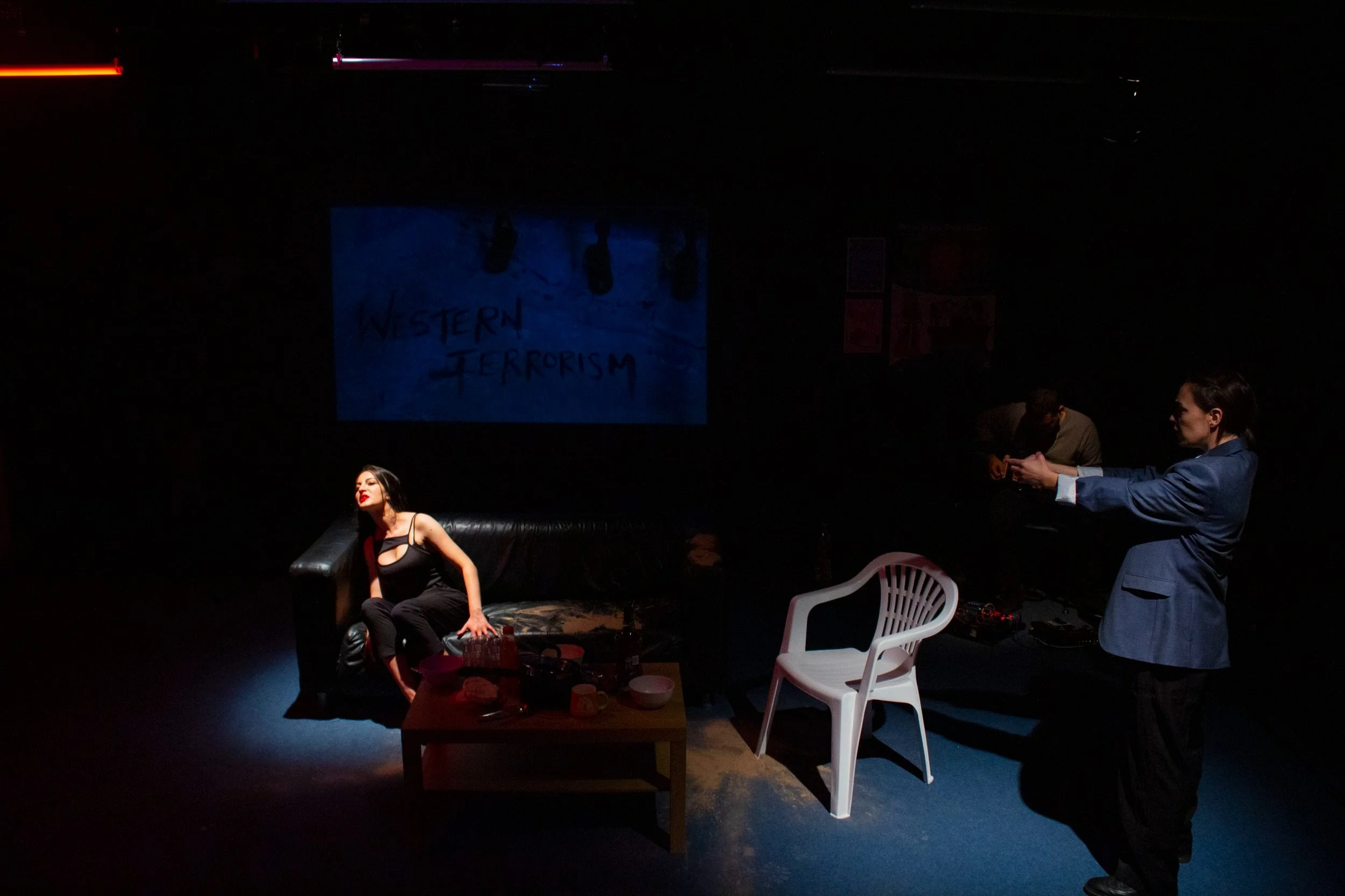
wipe these tears, 2022
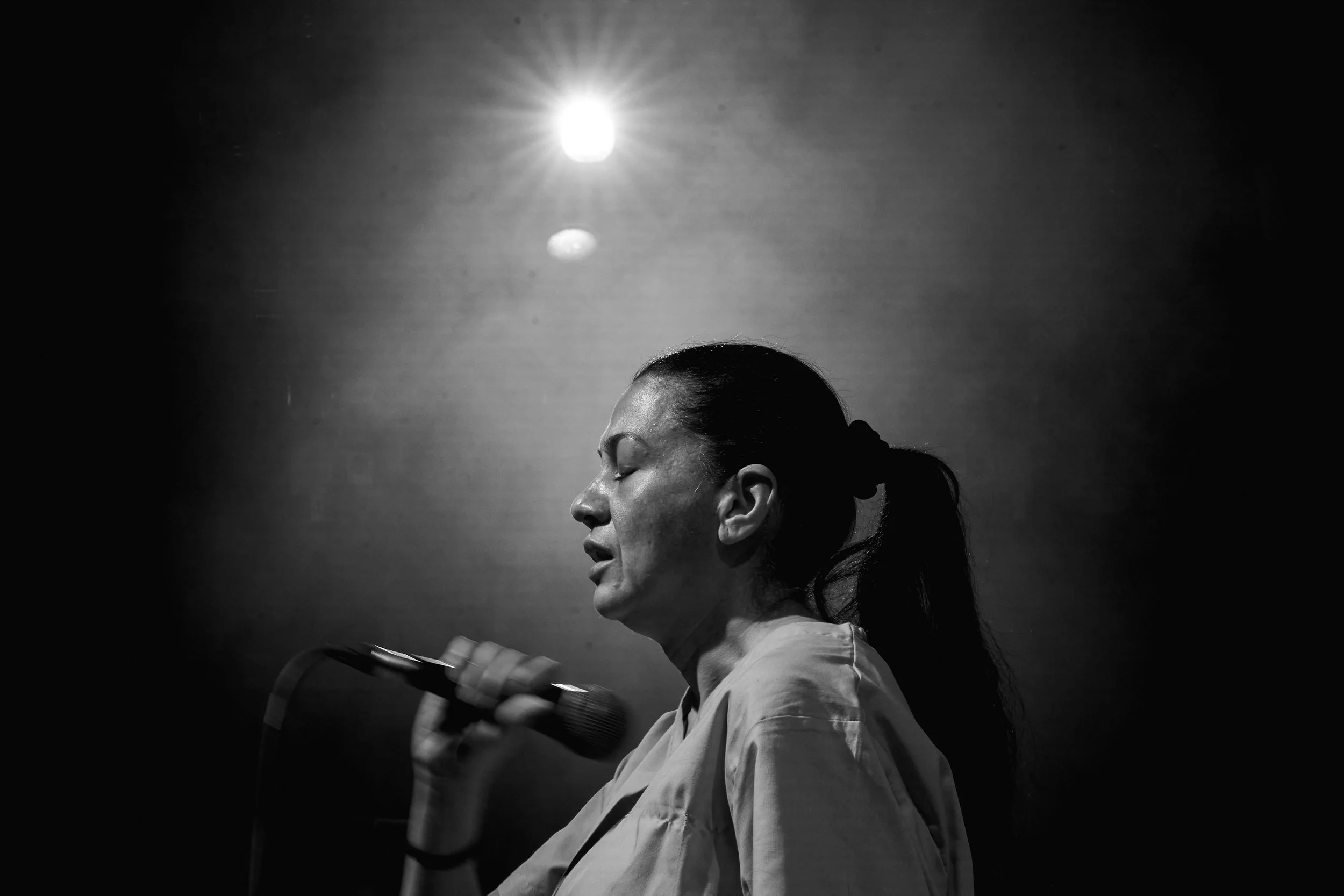
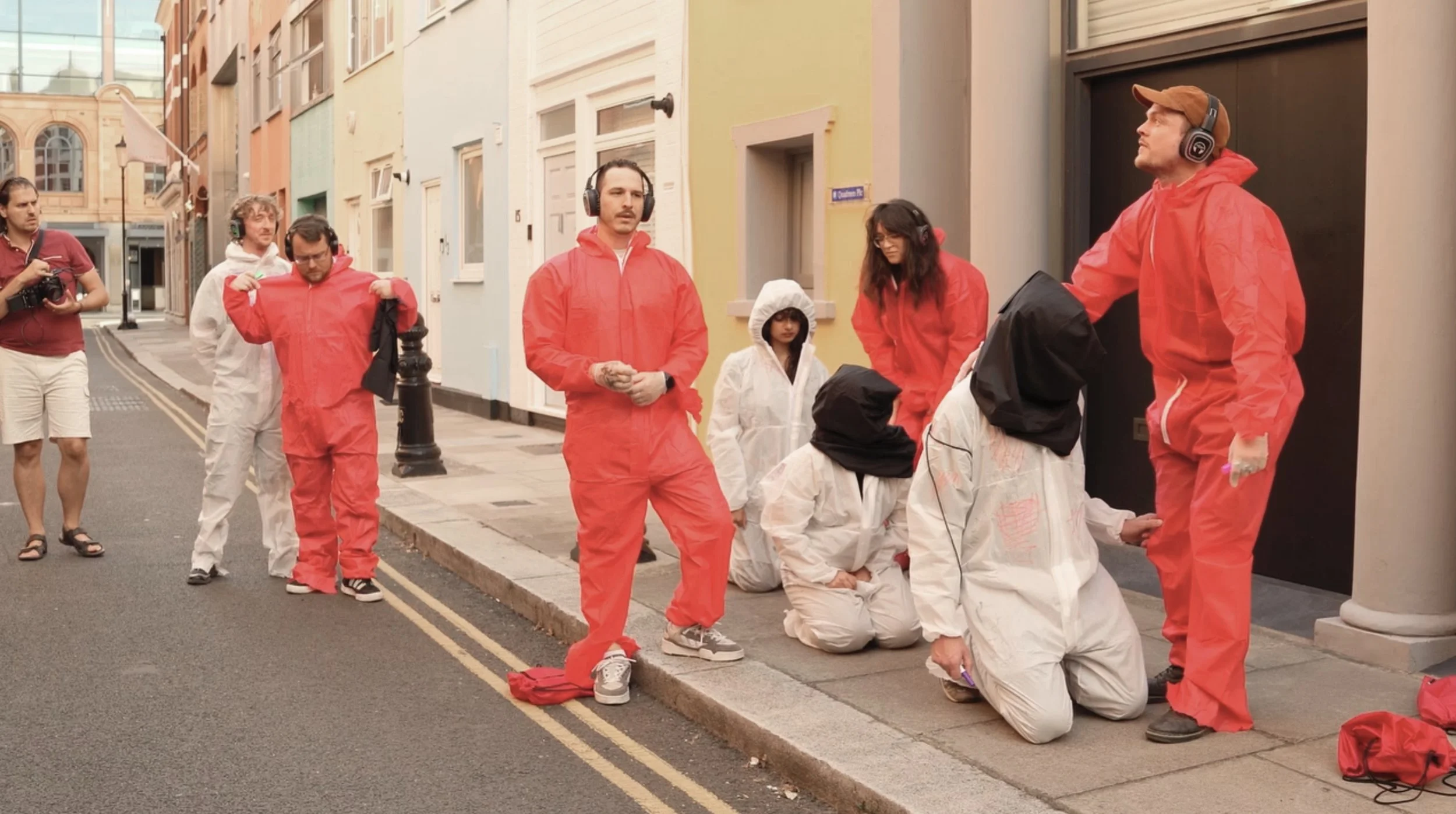
Watch our company trailer below:
Filmed scene + song from the R&D using feeding exercise (May 2026)
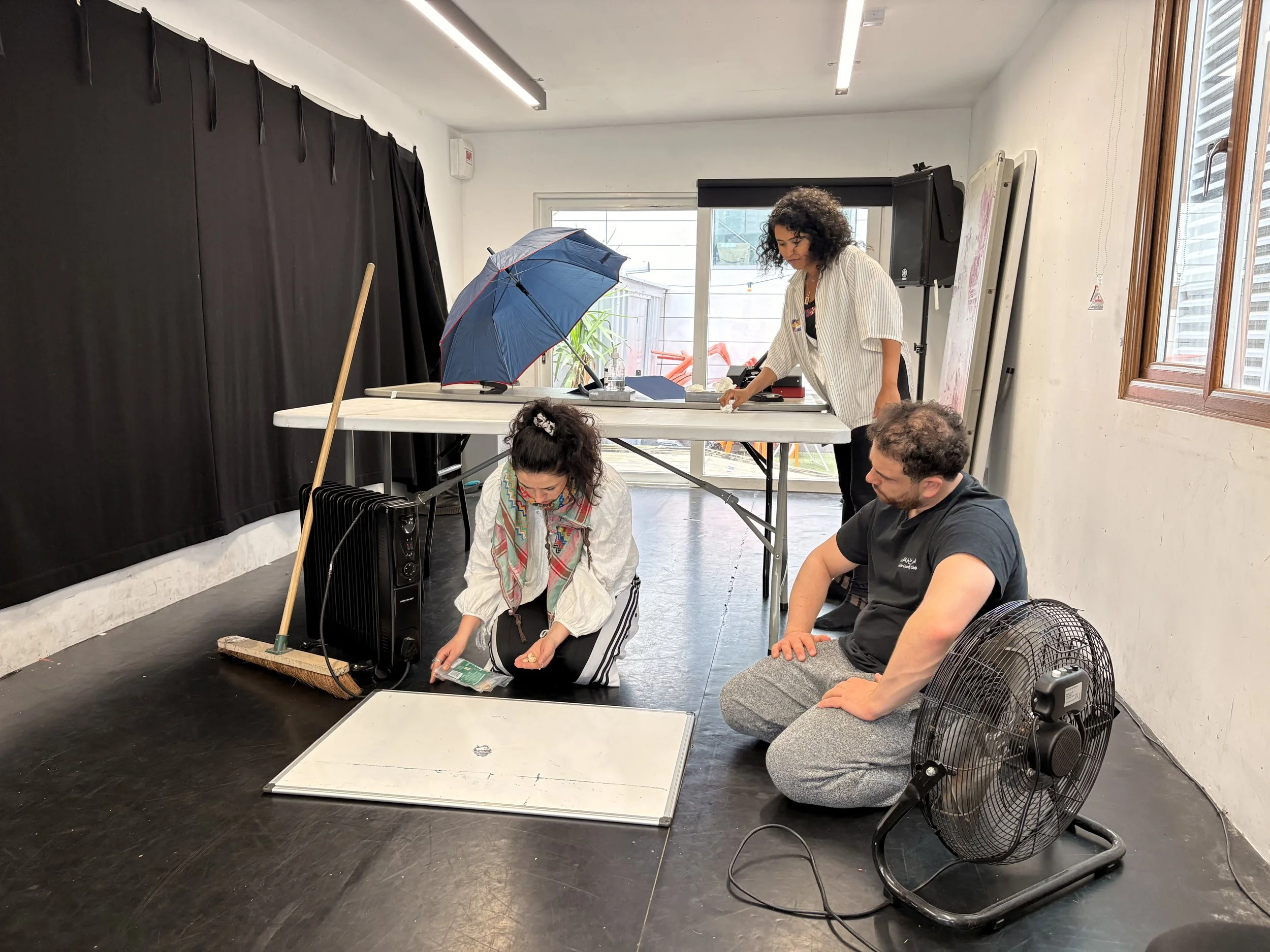
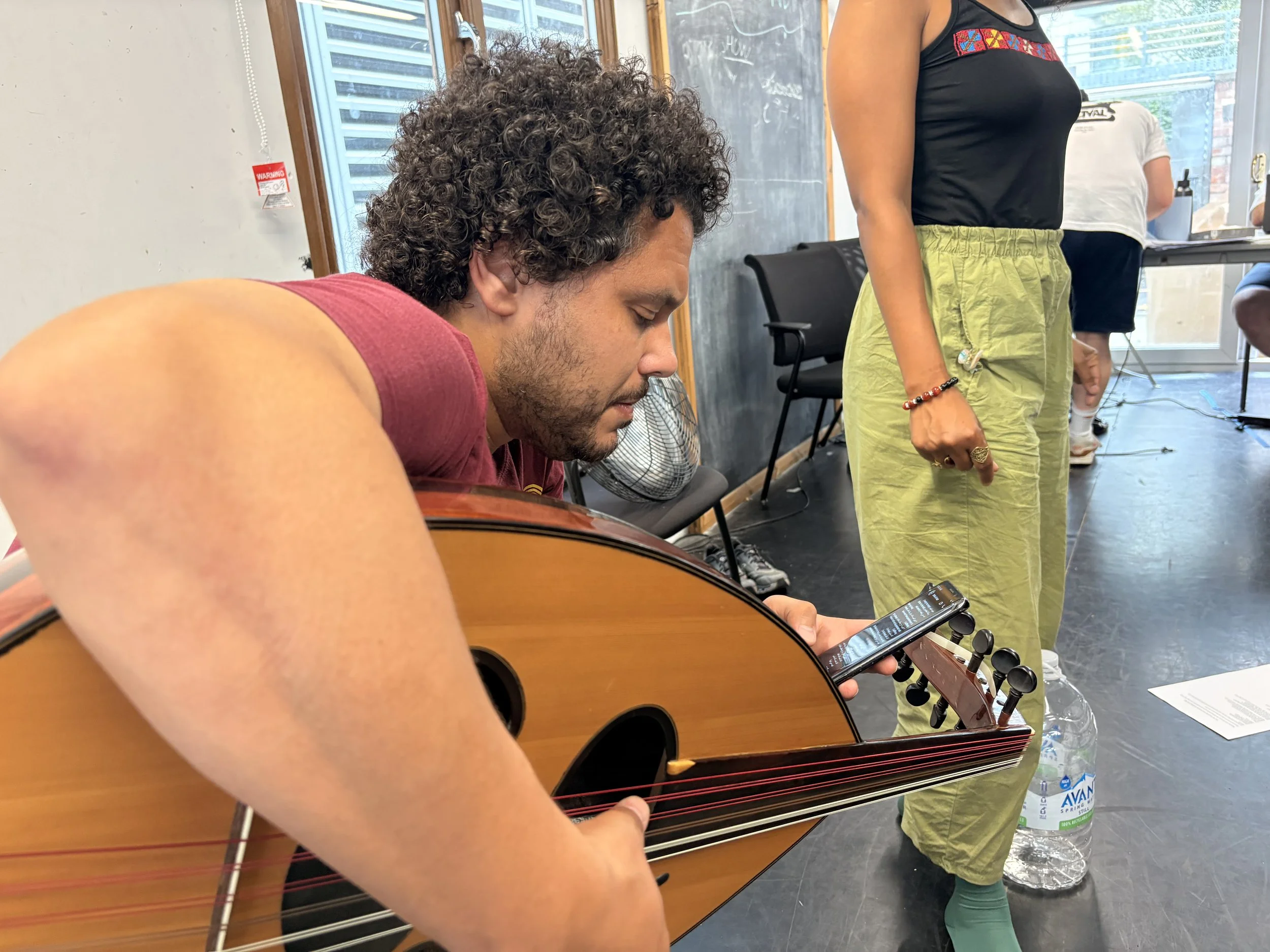
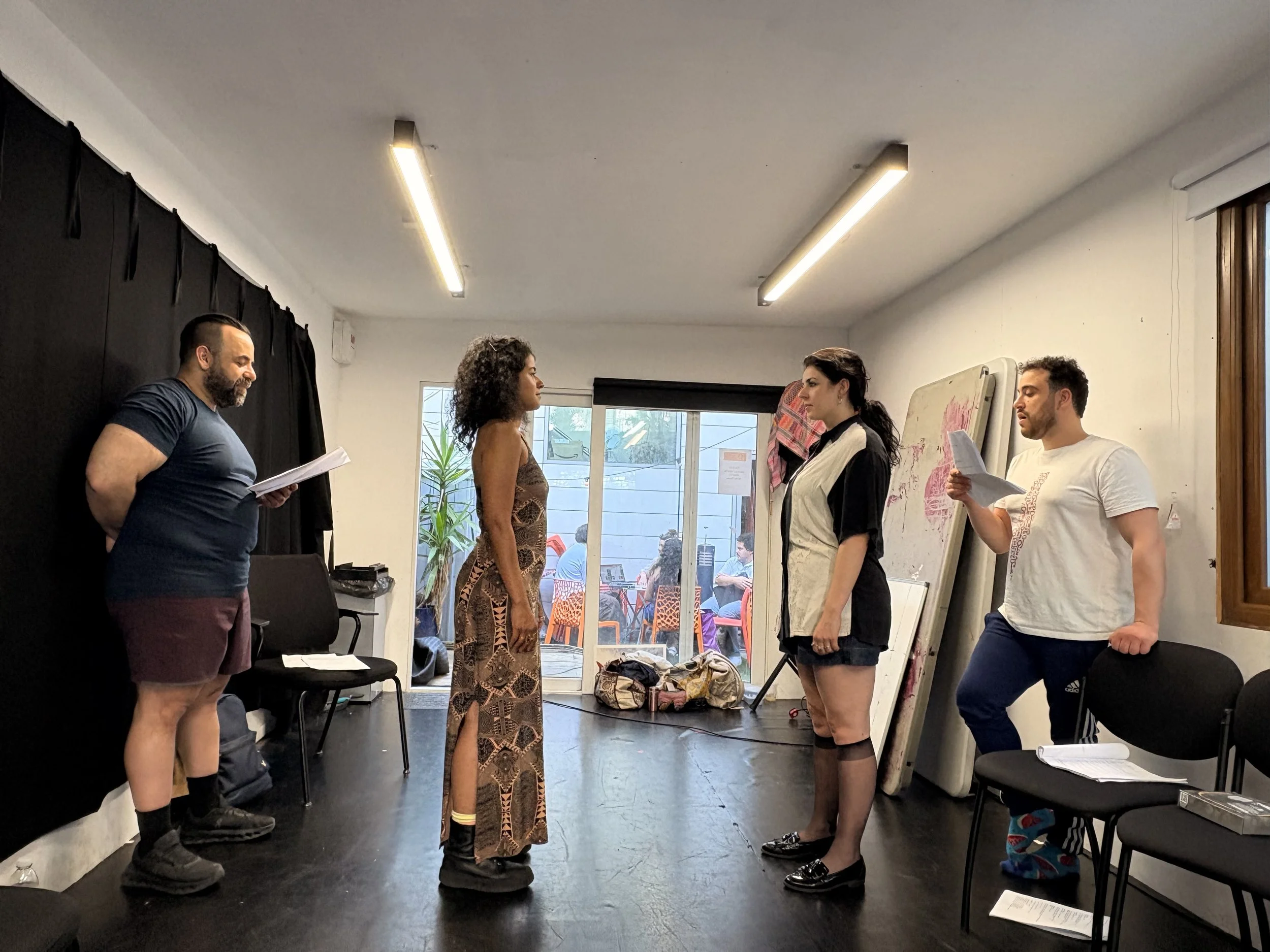
Rehearsal photos from the R&D: object transformation, feeding exercise, music composition
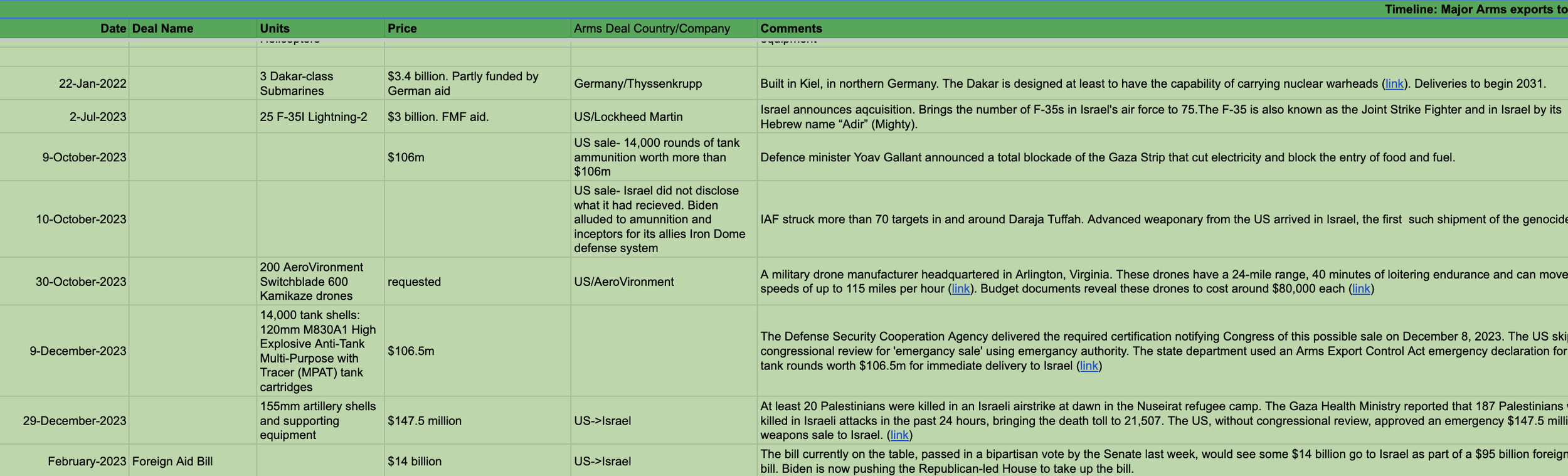
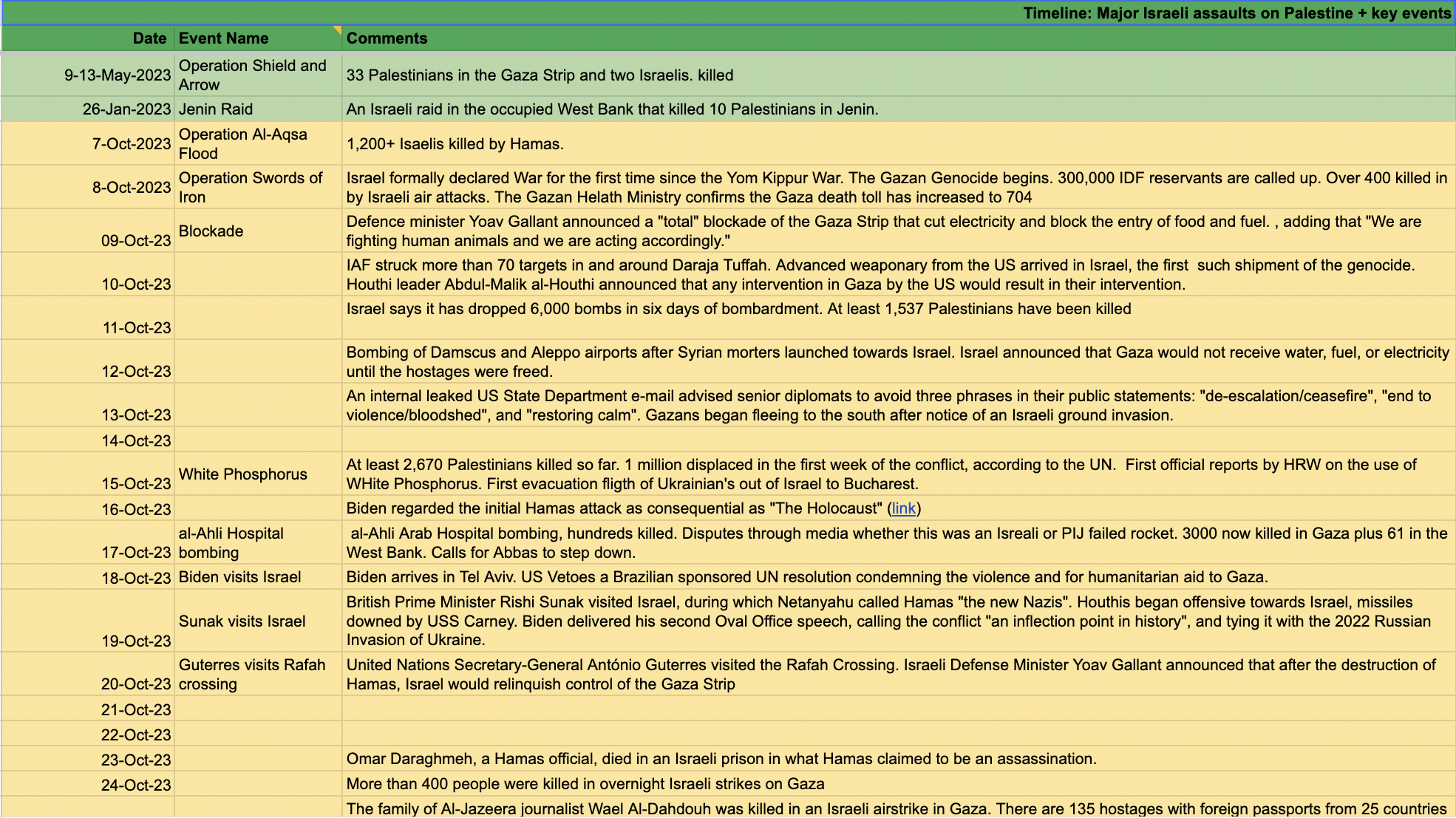
Screenshots from the research working documents: timeline of aggression and arms sales.
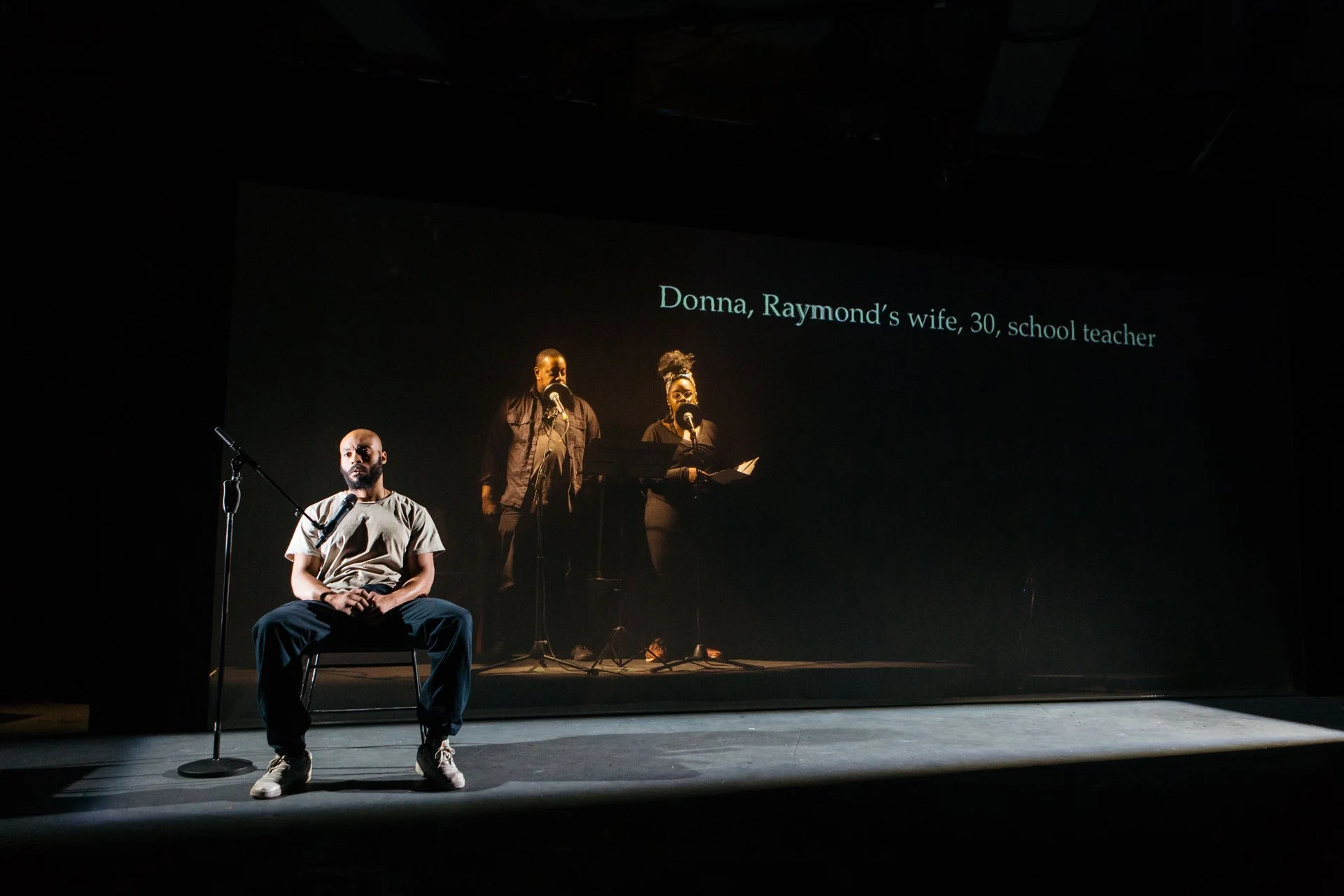
Justice by Milo Rau
Visual inspiration from research and other artists for The First Year (of the Gaza Genocide in the Media)
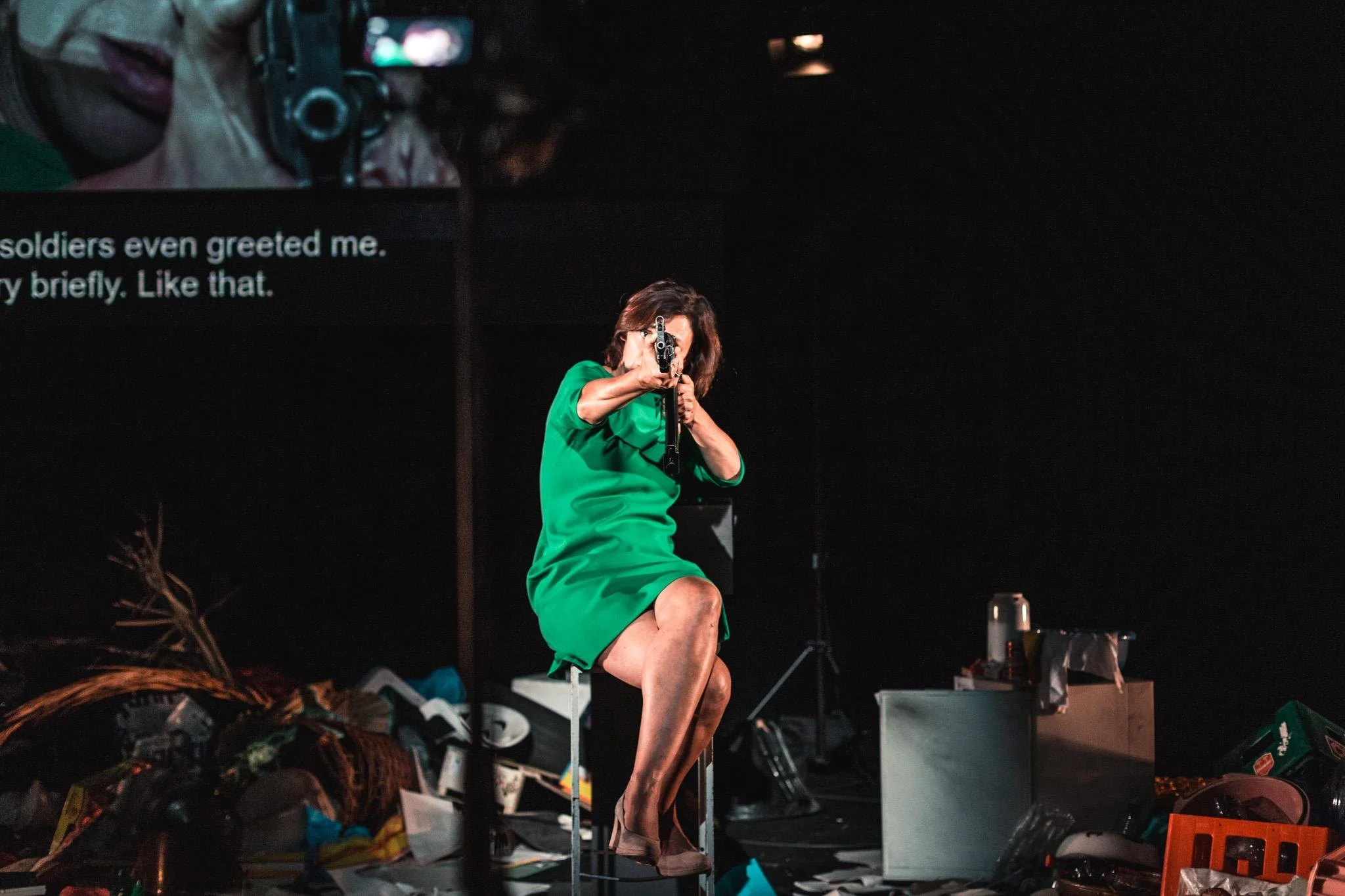
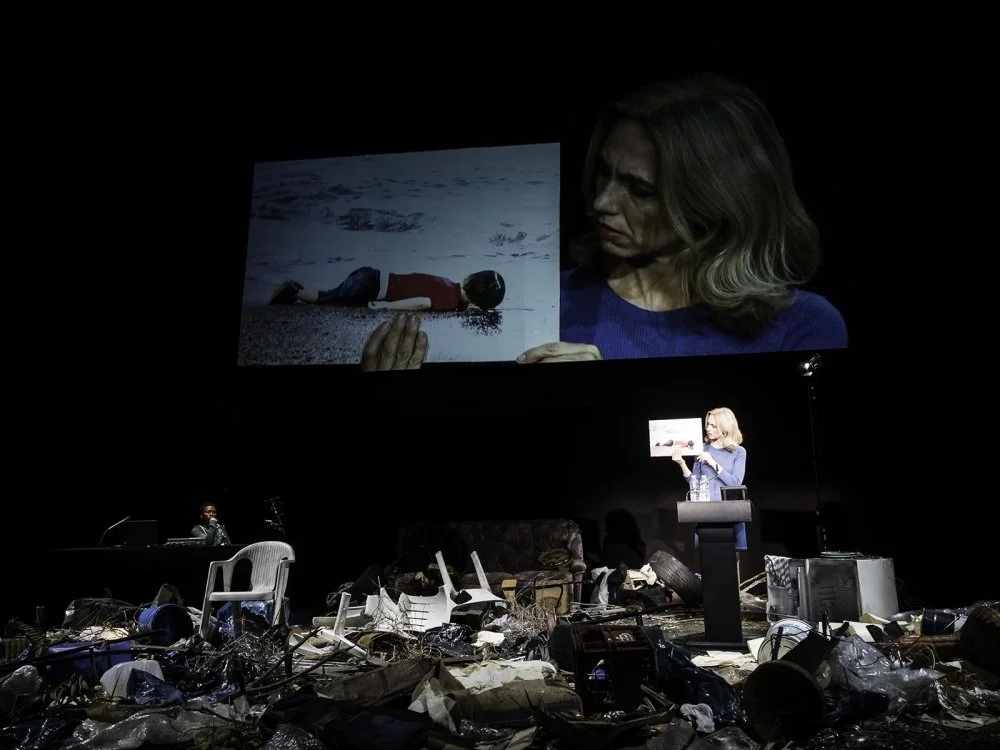
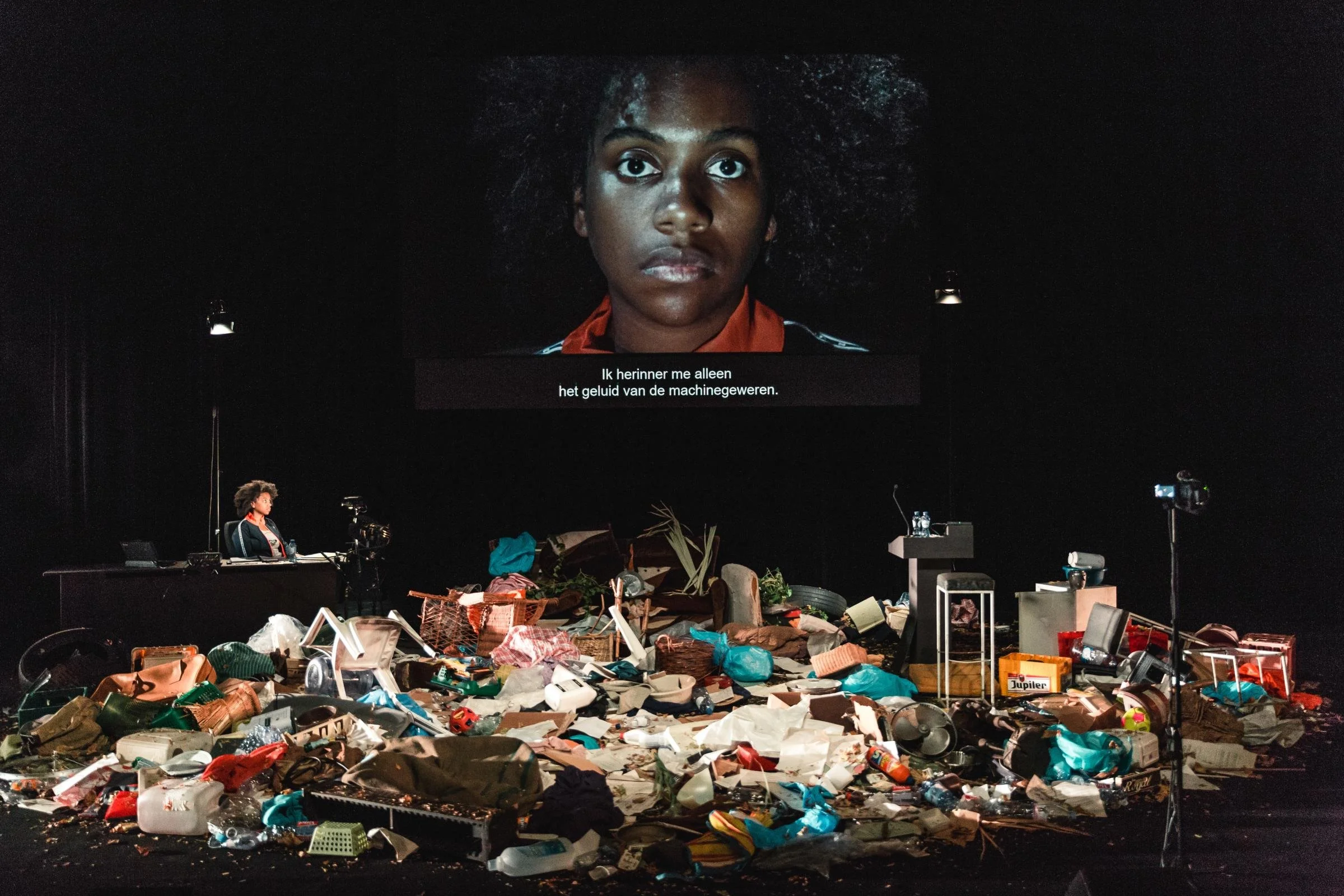
Compassion by Milo Rau
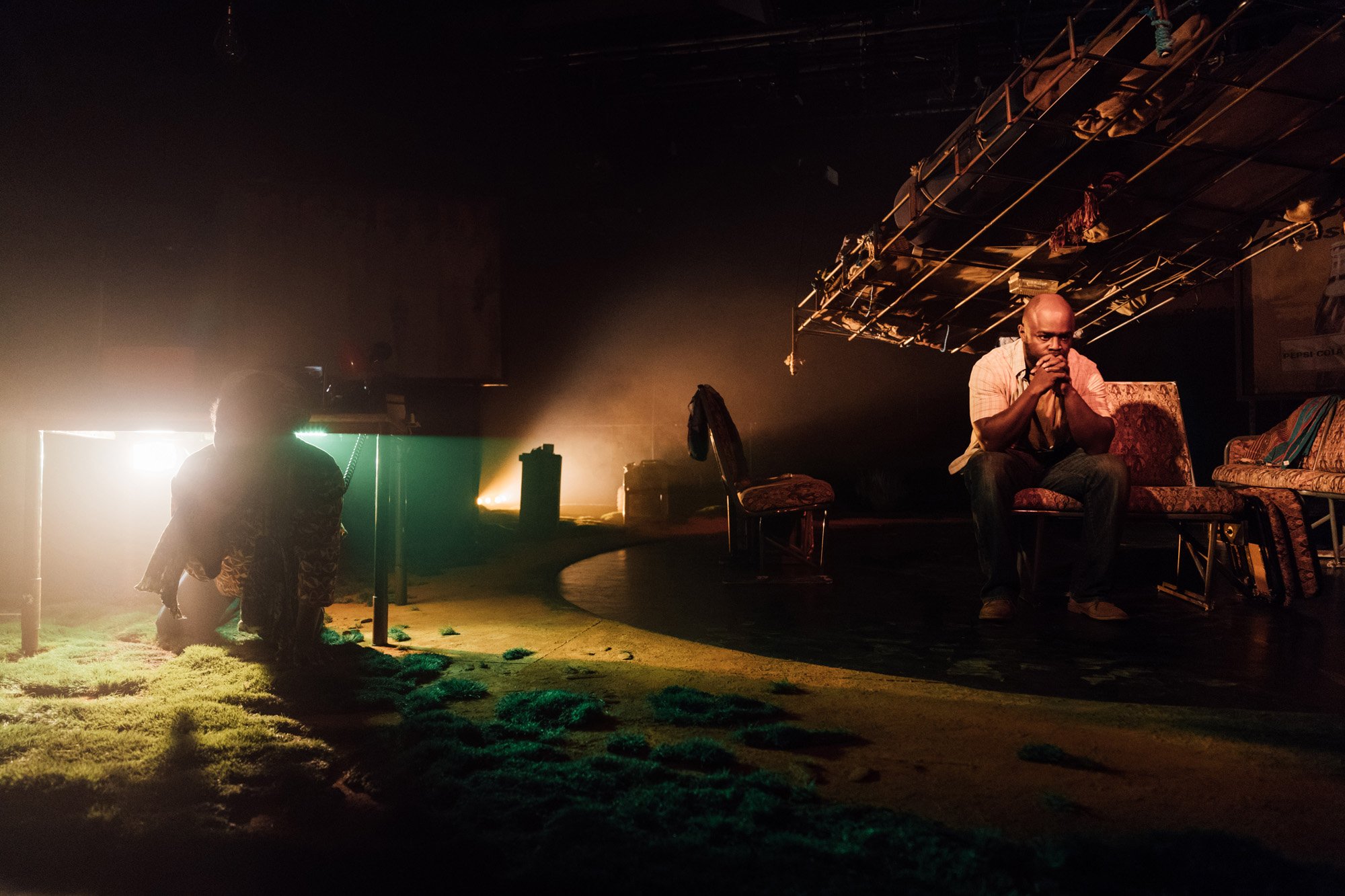
The Dark directed by Roy Alexander Weise
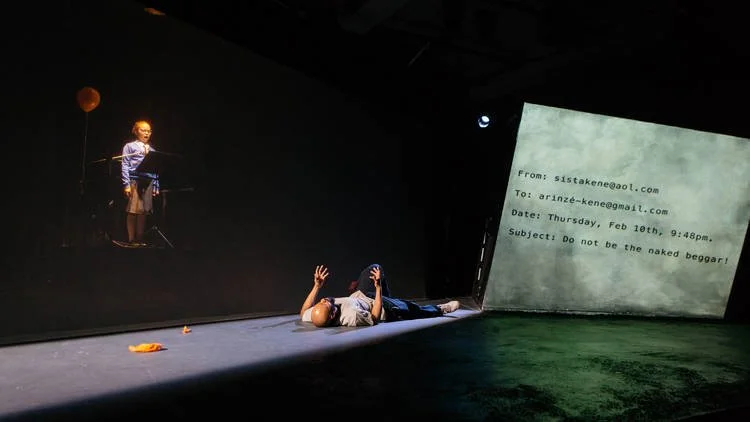
Misty directed by Omar Elerian
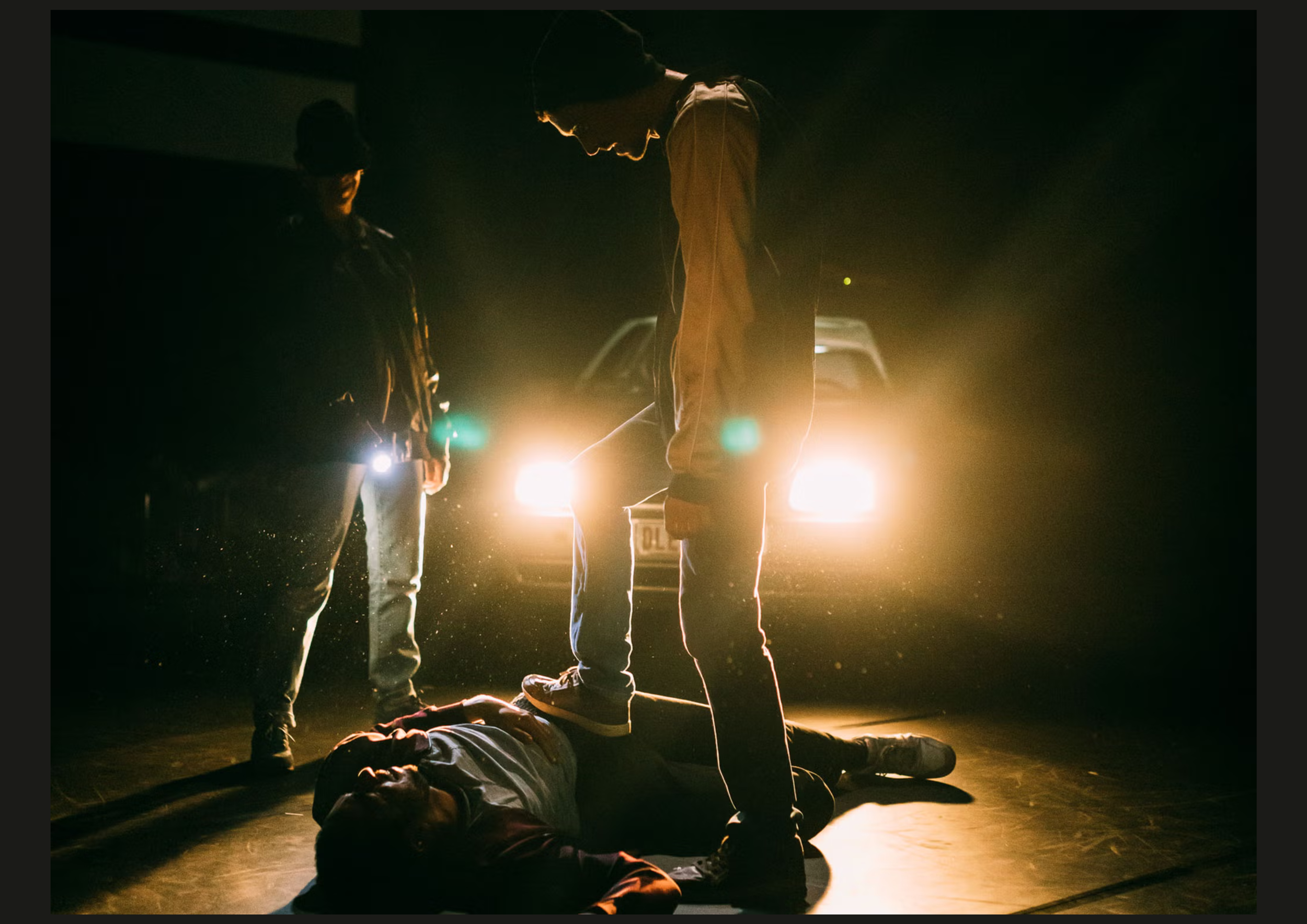
La Reprise directed by Milo Rau
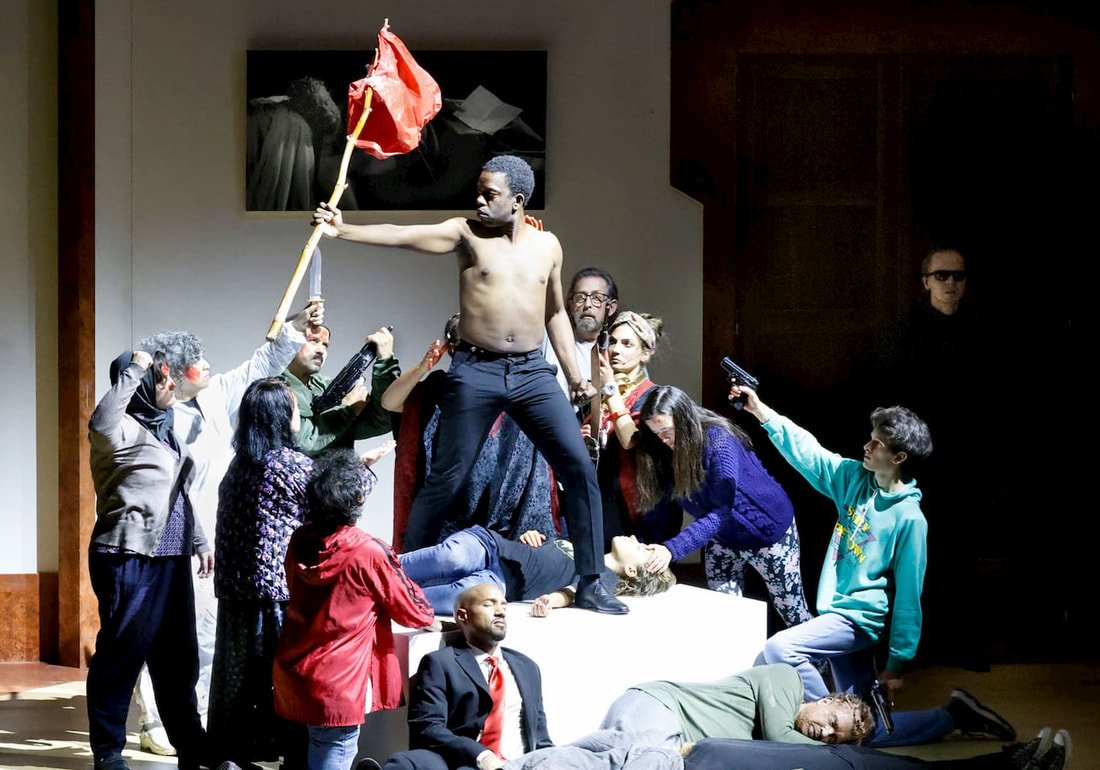
La Clemenza di Tito by Milo Rau
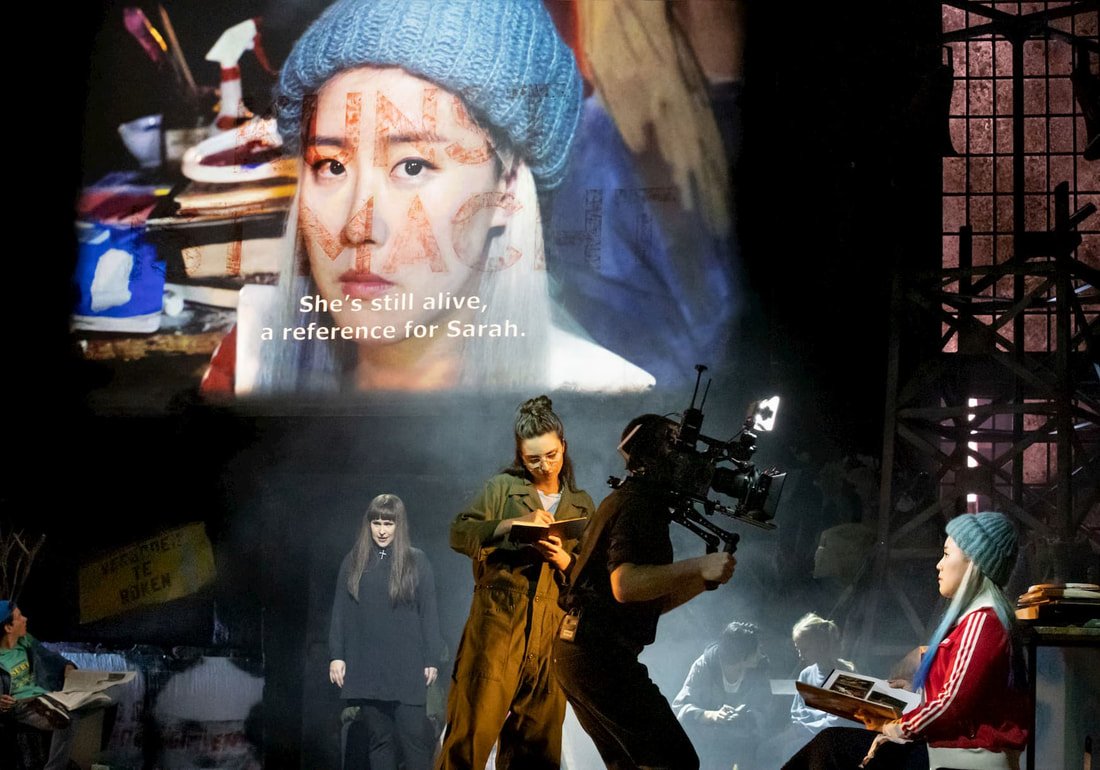
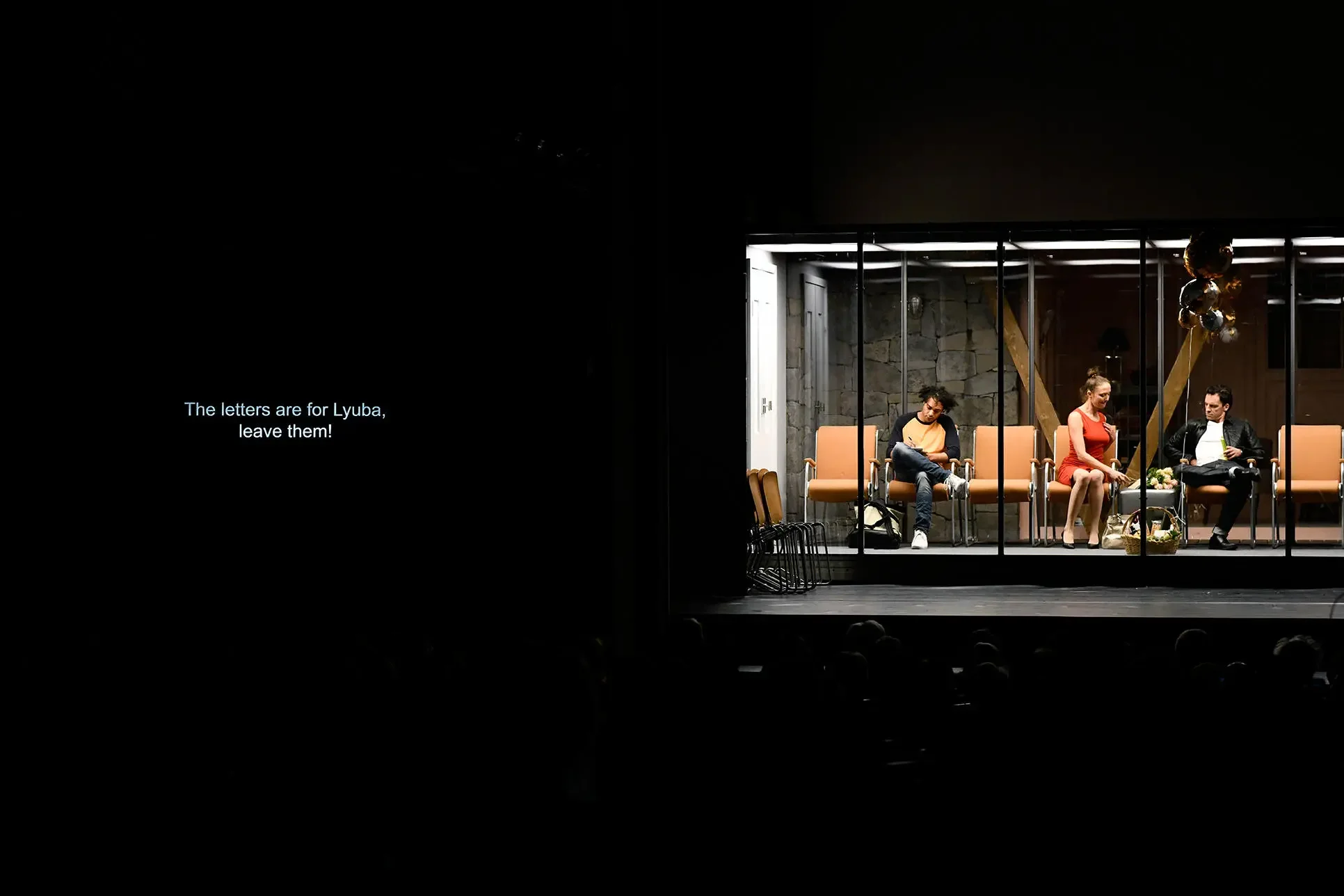
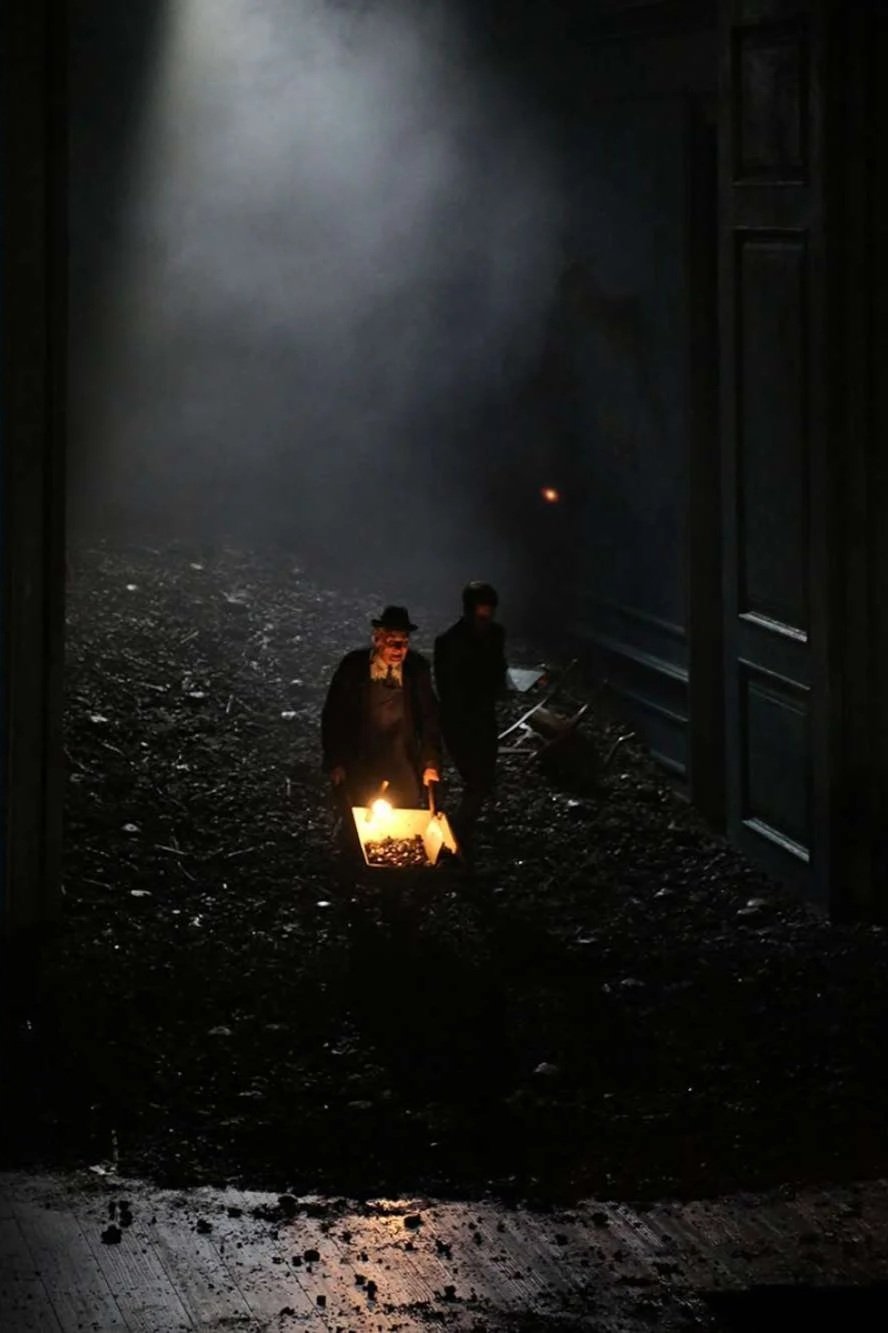
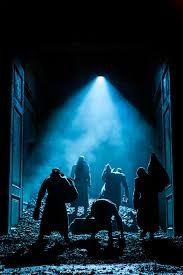
Hamlet by Lyndsay Turner
The Cherry Orchard by Yana Ross
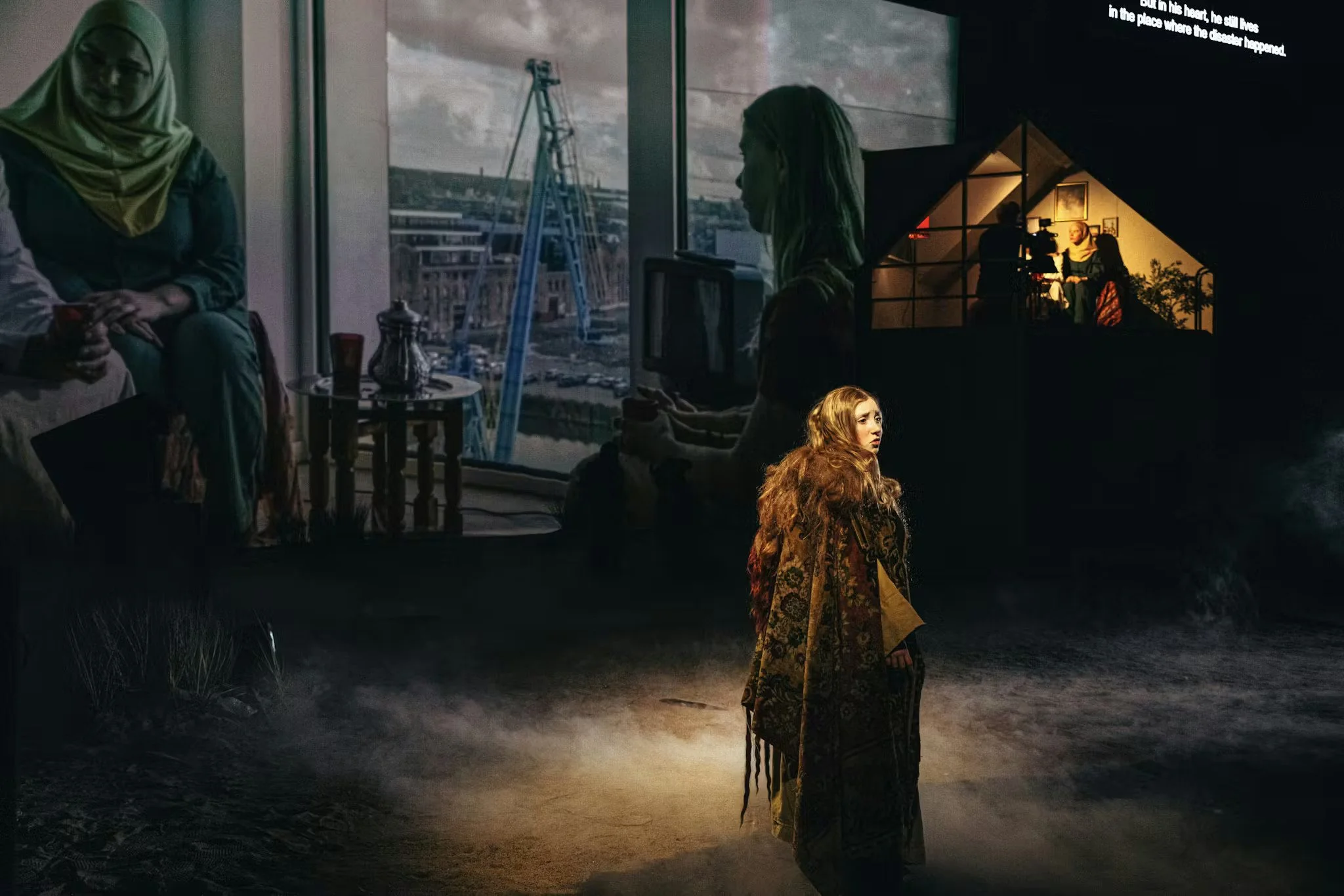
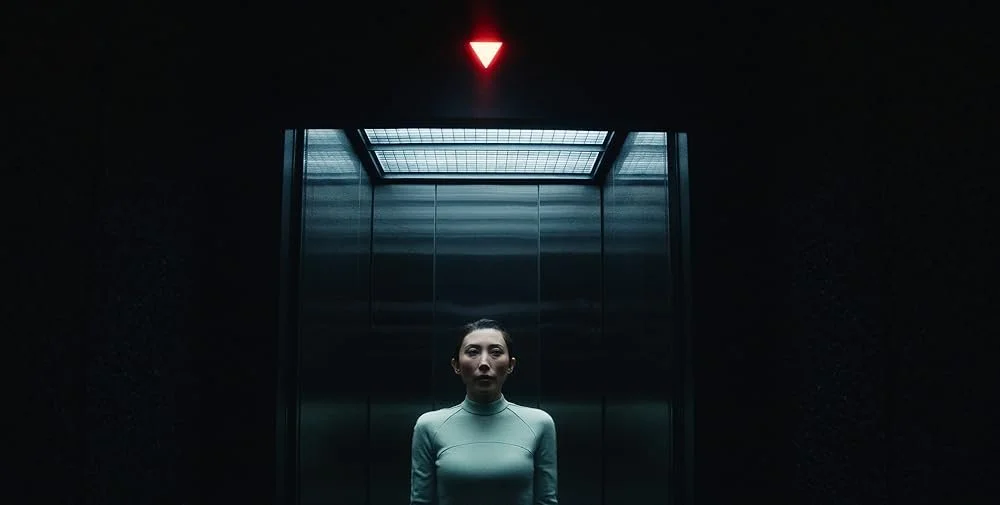
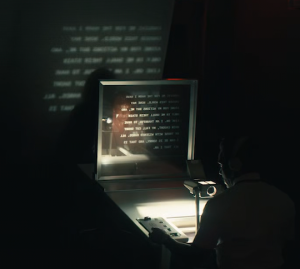
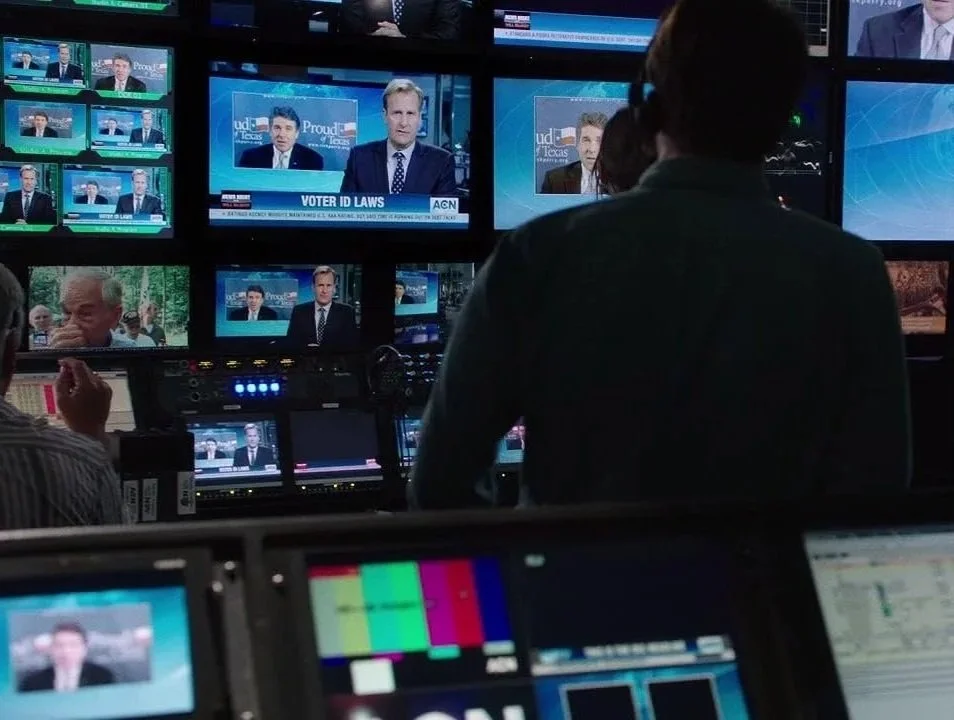
Severance and The Newsroom (TV shows)
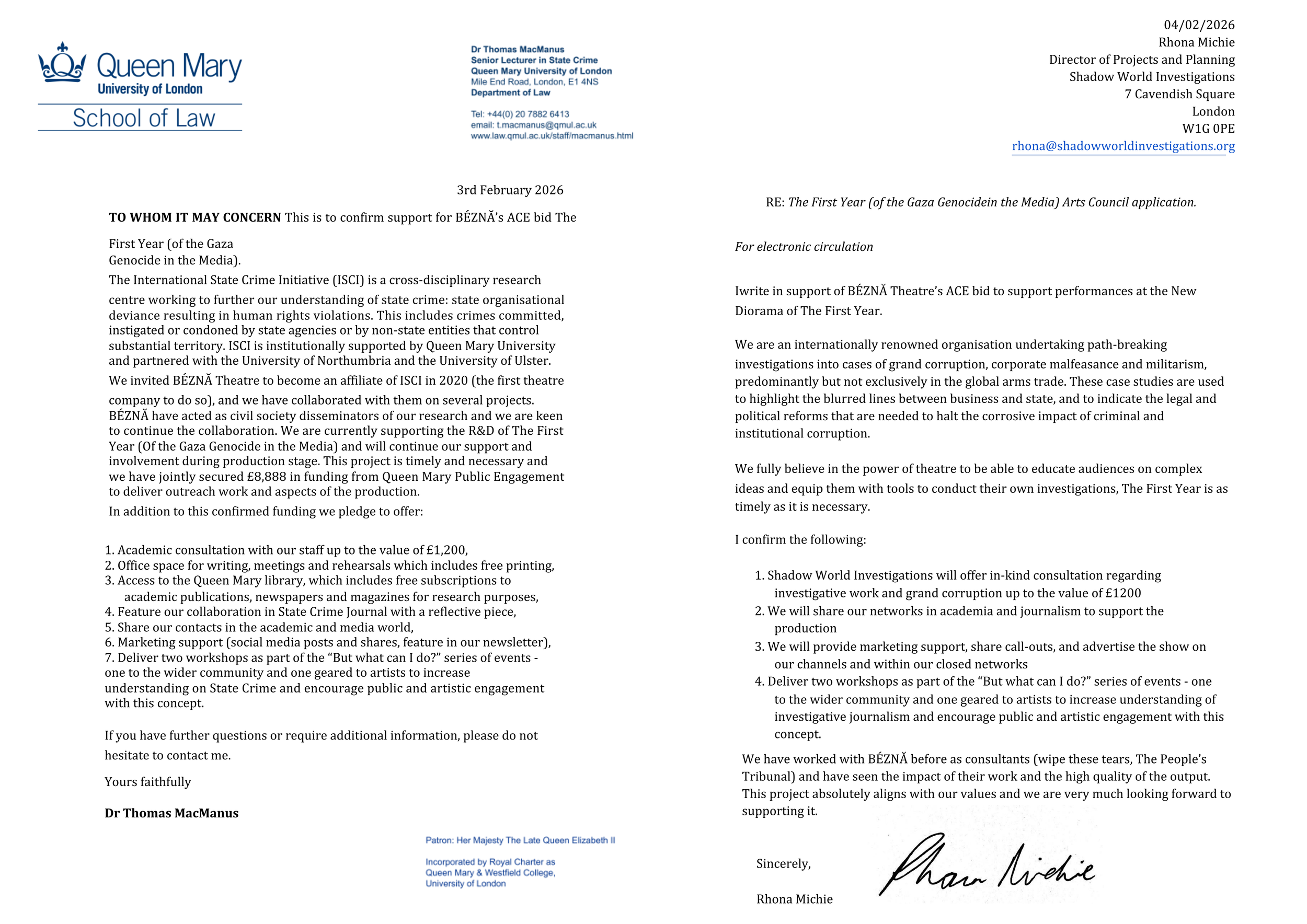
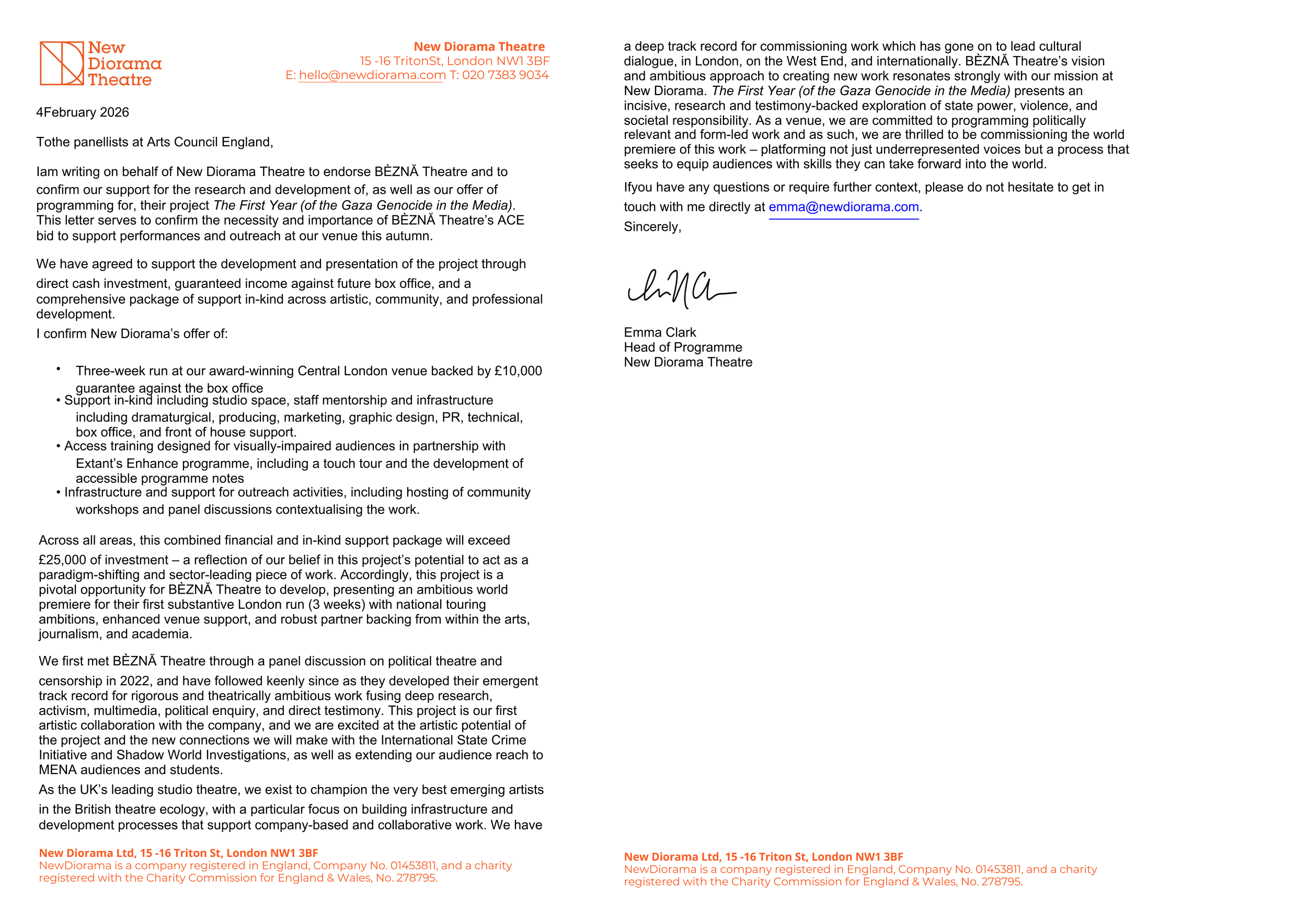
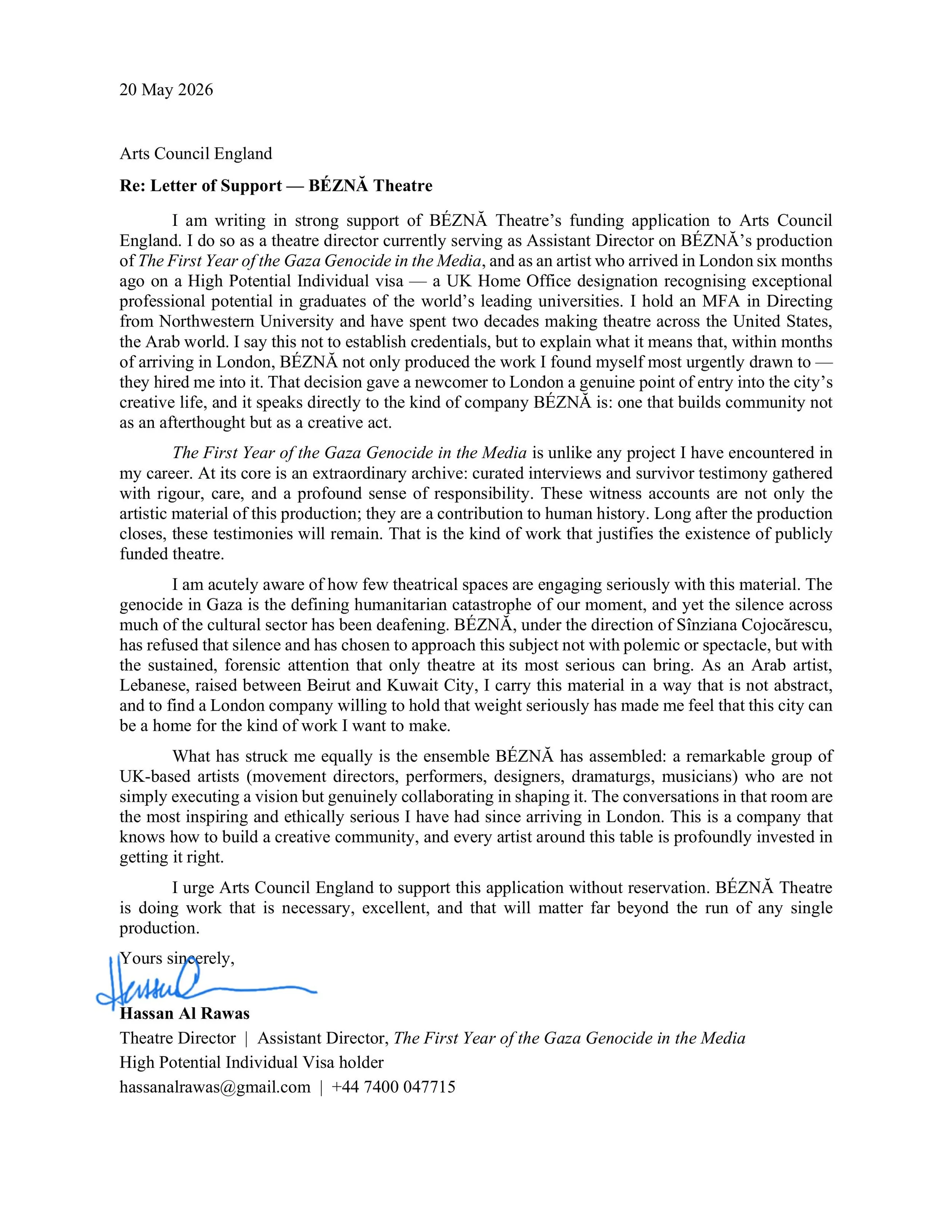
Support letters from partners and funders